
Pancetta is Italian cured pork belly that brings a rich, salty flavor to many types of dishes. This ingredient works well in everything from pasta and pizza to appetizers and main courses.
When you cook with pancetta, you add depth and savory taste that makes simple meals more interesting.
These pancetta recipes will show you how to use this ingredient in pastas, appetizers, side dishes, and main courses that work for any meal of the day. You’ll learn how to make classic dishes like pasta carbonara and fresh ideas like pancetta-wrapped chicken.
Each recipe uses pancetta in a way that brings out its best qualities while keeping the cooking process simple and straightforward.
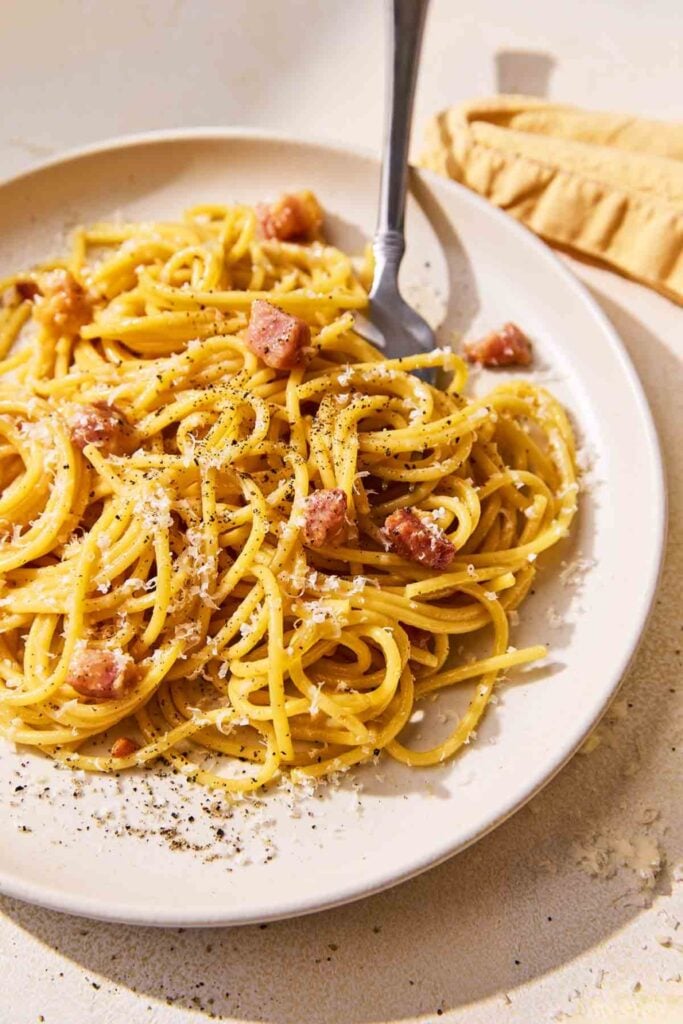
1. Pasta Carbonara with Pancetta
Pasta carbonara combines crispy pancetta with eggs, Pecorino Romano cheese, and pasta to create a rich, creamy sauce. You can make this classic Italian dish in about 20 minutes with just a few simple ingredients.
Use pasta water to create a silky sauce without scrambling the eggs. Cook your pancetta until crispy, then toss it with hot pasta and the egg mixture.
You’ll get the best results with spaghetti, though other pasta shapes work too. The dish relies on quality ingredients rather than complicated techniques.

2. Pancetta and Fig Crostini
Pancetta and fig crostini brings together salty and sweet flavors in one bite. You’ll toast baguette slices with olive oil until they’re golden and crispy.
Cook the pancetta until it reaches a crispy texture. Roast fresh figs with honey to bring out their natural sweetness.
Spread goat cheese or gorgonzola on your toasted bread. Layer the crispy pancetta and roasted figs on top.
A drizzle of olive oil and fresh cracked pepper finishes the dish.

3. Brussels Sprouts with Crispy Pancetta
Brussels sprouts paired with pancetta creates a balanced side dish that works for weeknight dinners and holiday meals. The pancetta adds a salty, crispy texture while the sprouts become tender and caramelized.
Roast the sprouts in the oven or cook them in a skillet. Add garlic and shallots for extra flavor, or finish with balsamic vinegar for a touch of sweetness.
This recipe uses simple ingredients and takes about 20 minutes to prepare.

4. Pancetta and Kale Sauté
Sautéed kale with pancetta offers a simple way to enjoy hearty greens. Crisp the pancetta first until it releases its fat and turns golden.
Add garlic for extra flavor. The kale wilts quickly once it hits the hot pan with the pancetta.
Cook it for just a few minutes until it softens. The pancetta adds a salty, smoky taste that pairs well with the kale’s earthy flavor.
You can serve this as a side dish with chicken, fish, or pasta.
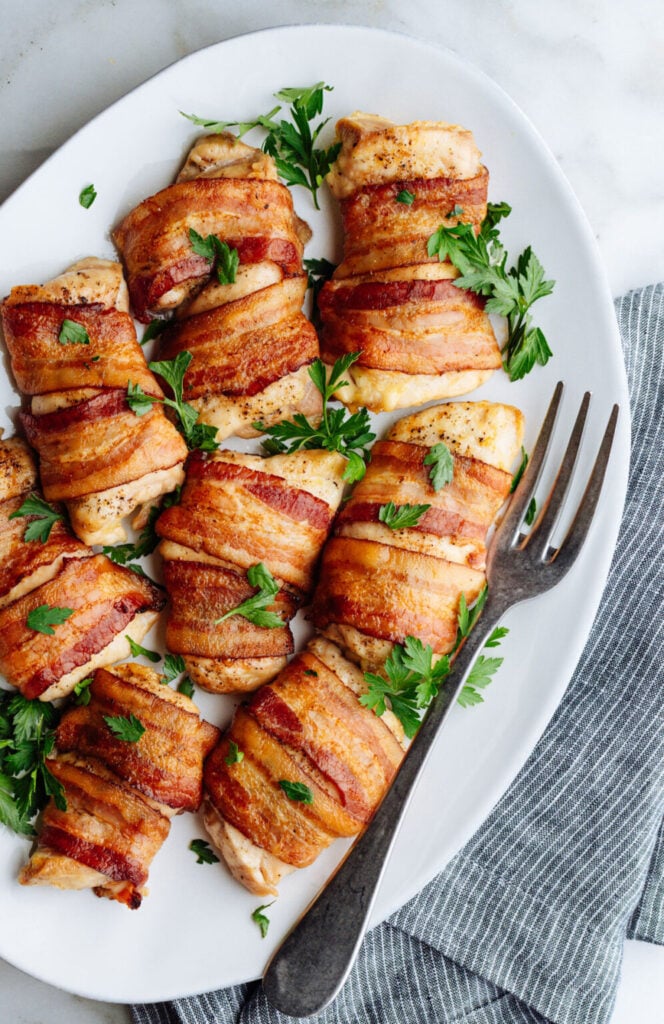
5. Pancetta-Wrapped Chicken Thighs
Wrapping chicken thighs in pancetta creates a flavorful dish that’s simple to make. Remove the skin and bones from the thighs first.
Lay out three pancetta slices and place a chicken thigh on top. Season with salt and pepper, then roll the chicken so the pancetta wraps around it completely.
The pancetta adds a salty, savory flavor while keeping the meat moist. Cook the wrapped thighs in a hot pan for about 5 minutes until the pancetta browns.
Move the pan to a 400°F oven for 15-20 minutes until fully cooked.

6. Pancetta and Mushroom Pizza
This pizza combines crispy pancetta with earthy mushrooms for a simple weeknight dinner. Use store-bought or homemade dough as your base.
Cook diced pancetta in a pan until crispy. Slice your mushrooms thin and sauté them with the pancetta.
Season with salt and pepper. Spread marinara sauce on your dough, leaving a small border.
Top with mozzarella or a mix of cheeses like fontina and parmesan. Add your pancetta and mushroom mixture.
Bake at 450°F for 12-15 minutes until the crust is golden and cheese is bubbly.

7. Quiche Lorraine with Pancetta
Quiche Lorraine stands out as one of France’s most classic dishes. Make a buttery pastry crust and fill it with a smooth custard made from eggs and cream.
The pancetta adds a smoky, salty flavor that pairs perfectly with Gruyère cheese. Serve this quiche warm or at room temperature for brunch, lunch, or dinner.
The dish works well with a simple green salad on the side.

8. Shrimp and Pancetta Pasta
This dish combines crispy pancetta with tender shrimp for a quick weeknight meal. You can have it on the table in about 30 minutes.
Cook your pancetta first until it gets crispy. Add the shrimp and cook them until they turn pink.
Toss everything with your favorite pasta shape. Add lemon zest and fresh parsley to brighten the flavors.
Some recipes include garlic, white wine, or a cream sauce. Use linguine, spaghetti, or bowtie pasta for this recipe.

9. Pancetta and Gorgonzola Salad
This salad brings together crispy pancetta and tangy gorgonzola cheese for a restaurant-quality dish you can make at home. Use it as a main course or serve it alongside grilled meats.
Start with fresh greens like butter lettuce, radicchio, or spinach. Cook your pancetta until it gets crispy, then break it into pieces.
Add crumbled gorgonzola cheese on top. You can add walnuts for crunch or tomatoes for freshness.
A simple vinaigrette works well as the dressing.

10. Pancetta and Tomato Pasta
This classic Italian dish comes together in about 30 minutes. Start by crisping the pancetta in a pan until it releases its savory flavor.
Build the tomato sauce on that base with garlic, crushed tomatoes, and fresh basil. Simmer the sauce for about 15 minutes to let the flavors blend together.
Use any pasta shape you prefer. Long noodles like linguine work well because they catch the sauce and pancetta in every bite.
Understanding Pancetta
Pancetta is Italian cured pork belly that brings a salty, savory flavor to dishes without the smokiness of bacon. Knowing how to choose and store this ingredient properly helps you get the best results in your cooking.
What Sets Pancetta Apart from Other Cured Meats
Pancetta comes from pork belly, the same cut used for bacon. The main difference is in how it’s prepared.
Pancetta is salt-cured with spices like black pepper, garlic, and sometimes fennel or nutmeg. It’s never smoked.
Bacon goes through a smoking process that gives it a distinct smoky taste. Pancetta has a pure pork flavor with salt and spice notes instead.
You’ll find pancetta in two main forms:
- Pancetta tesa – flat, rolled into a cylinder
- Pancetta arrotolata – rolled and tied into a spiral
The fat content in pancetta is higher than in prosciutto, which comes from the leg. When you cook pancetta, the fat renders out and adds rich flavor to your dish.
This makes it perfect for starting soups, pasta sauces, and vegetable dishes.
Selecting and Storing Quality Pancetta
Look for pancetta with a good balance of pink meat and white fat. The slices should look moist but not wet or slimy.
Fresh pancetta has a pleasant, slightly sweet smell without any sour or off odors. You can buy pancetta in thick slices, thin slices, or cubed.
Thick slices work well when you want to dice it yourself. Thin slices are ready for quick cooking or wrapping around other foods.
Store unopened pancetta in your refrigerator for up to three weeks. Once you open the package, wrap it tightly in plastic wrap or put it in an airtight container.
It will stay fresh for about one week this way. You can freeze pancetta for up to three months.
Cut it into portions you’ll use for single recipes before freezing. This lets you thaw only what you need.
Expert Cooking Tips for Pancetta Recipes
Pancetta requires careful attention to heat and timing to bring out its best qualities. The right ingredients can boost its natural saltiness and fat content to create balanced dishes.
Enhancing Flavors with Proper Techniques
Start with a cold pan when cooking pancetta. This allows the fat to render slowly and prevents burning.
Cut pancetta into uniform pieces so they cook evenly. Cook pancetta over medium heat until it turns golden and crispy.
This takes about 5-7 minutes for cubed pieces. The rendered fat becomes your cooking base for other ingredients.
Don’t discard the pancetta fat. Use it to sauté vegetables or coat pasta.
This fat carries concentrated flavor that enriches your whole dish. Avoid overcrowding the pan.
Space out pancetta pieces so they crisp up instead of steaming. Cook in batches if you need to prepare a large amount.
Remove pancetta from heat just before it reaches your desired crispness. It continues cooking from residual heat.
Pat it with paper towels if you want to reduce excess grease.
Pairing Pancetta with Complementary Ingredients
Eggs and cheese work naturally with pancetta’s salt and fat. These ingredients form the base of carbonara and many breakfast dishes.
Use pecorino or parmesan for authentic Italian flavor. Tomatoes cut through pancetta’s richness with acidity.
This balance appears in amatriciana sauce and many pasta dishes. Fresh or canned tomatoes both work well.
Beans absorb pancetta flavor while adding texture to soups and stews. White beans like cannellini are traditional choices.
The pancetta fat seasons the beans as they cook. Sweet vegetables like peas, Brussels sprouts, and butternut squash contrast with pancetta’s salty profile.
Roast these vegetables in pancetta fat for maximum flavor transfer. Garlic and onions build aromatic depth when cooked in rendered pancetta fat.
Add these after removing the crispy pancetta from the pan.
Frequently Asked Questions
Pancetta works well in quick weeknight dinners, healthy vegetables, and traditional Italian dishes. The cured meat cooks differently than bacon and offers unique flavors that pair with many ingredients.
What are some simple yet delicious recipes that include pancetta?
Start with pasta carbonara, which combines pancetta with eggs, cheese, and black pepper. You only need about 20 minutes to make this classic Italian dish.
The rendered fat from the pancetta coats the pasta and creates a creamy sauce. Try pancetta and fig crostini for an easy appetizer.
Crisp the pancetta, place it on toasted bread with fresh figs, and add a drizzle of honey or balsamic glaze. Brussels sprouts with crispy pancetta makes a simple side dish.
Roast the sprouts until they char slightly, then toss them with diced pancetta that you’ve cooked until golden.
How can I incorporate pancetta in a healthy meal?
Add small amounts of pancetta to vegetable-based dishes for flavor without excess fat. A pancetta and kale sauté uses just a few ounces of the cured meat to season a large portion of leafy greens.
Brussels sprouts, asparagus, and other vegetables benefit from the savory notes pancetta provides. Use less than you would with other meats since the flavor is concentrated.
Pancetta-wrapped chicken thighs create a balanced protein dish. The pancetta keeps the chicken moist while adding flavor, and you can serve it with roasted vegetables or a fresh salad.
What are the best methods for cooking pancetta to enhance its flavor?
Start pancetta in a cold pan and heat it slowly. This method allows the fat to render properly and creates crispy, evenly cooked pieces.
Dice pancetta into small cubes for even cooking throughout your dish. The smaller pieces crisp up faster and distribute more evenly in pasta, soups, and vegetable dishes.
Cook pancetta until it turns golden brown but not burnt. The browning develops deeper flavors and creates a crispy texture that contrasts well with softer ingredients.
Can you suggest any Jamie Oliver recipes that feature pancetta?
Jamie Oliver uses pancetta in many pasta dishes where he combines it with seasonal vegetables. His recipes often pair pancetta with peas, asparagus, or tomatoes for quick weeknight meals.
He also includes pancetta in soup recipes where the rendered fat creates a flavorful base. You cook the pancetta first, then use the fat to sauté onions, celery, and other aromatics.
Which dinner recipes can I elevate by adding pancetta cubes?
Add pancetta cubes to tomato-based pasta sauces for extra richness. The fat from the pancetta blends with the tomatoes and creates a fuller, more complex sauce.
Toss pancetta into risotto during the cooking process. The cubes add salty, savory notes that complement the creamy rice and other ingredients like mushrooms or butternut squash.
Include pancetta in quiche or frittata recipes for a hearty dinner option. You cook the cubes first to render the fat, then add them to the egg mixture with vegetables and cheese.
In terms of flavor and recipes, how does pancetta compare to bacon?
Pancetta has a more delicate, less smoky flavor than bacon. It’s cured with salt and spices but not smoked, which gives it a cleaner pork taste.
You can use pancetta in Italian recipes where bacon would taste too strong. Carbonara and other traditional dishes call for pancetta specifically because the flavor doesn’t overpower the other ingredients.
Bacon works better in dishes where you want a smoky element. Pancetta suits recipes that need a subtle, savory pork flavor without the smoke.