
Ramen noodles offer endless possibilities for creating satisfying meals at home. Whether you want a quick weeknight dinner or a more involved cooking project, these recipes work for any skill level.
You can make everything from rich, traditional broths to creative salads and sides. You’ll find options for classic Japanese styles, vegetarian versions, and unique takes like air-fried and cold salad preparations.
Each recipe builds on basic cooking skills to help you make flavorful bowls that match your taste preferences.
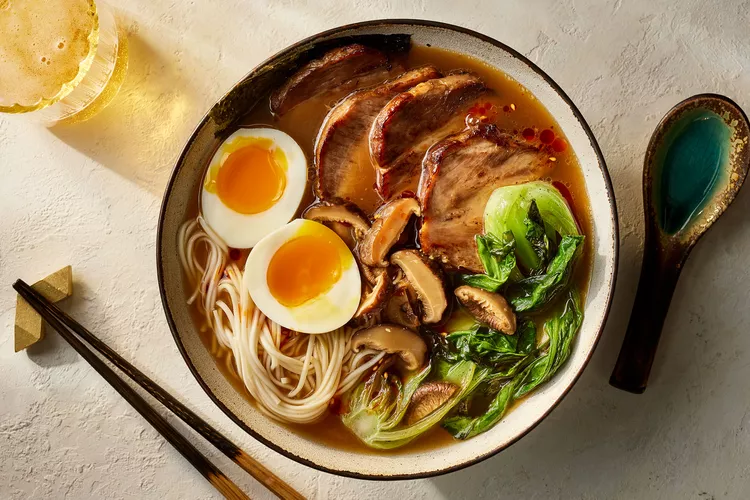
1. Classic Tonkotsu Ramen
Tonkotsu ramen features a rich pork bone broth that turns creamy white after hours of simmering. Simmer pork bones for 8-12 hours to create the signature milky appearance and deep flavor.
Maintain a rolling boil to break down the collagen and fat. This creates the thick, cloudy broth that makes tonkotsu stand out from other ramen styles.
Top your bowl with chashu pork, soft-boiled eggs, green onions, and nori. Cook your noodles separately for 2-3 minutes until they’re springy and firm.

2. Spicy Miso Ramen
Spicy miso ramen combines rich umami flavors with a kick of heat. Start the broth with miso paste mixed with chili oil or chili garlic sauce.
Add ginger and garlic for extra depth. This dish comes together in about 30 minutes.
Top your bowl with soft-boiled eggs, corn, and mushrooms. The noodles soak up the savory broth perfectly.
Adjust the spice level to match your taste. Add more chili oil for extra heat, or keep it mild for a gentler version.

3. Shoyu Ramen with Soy Sauce Broth
Shoyu ramen is one of Japan’s most popular ramen styles. The name comes from “shoyu,” which means soy sauce in Japanese.
Combine soy sauce with chicken or pork stock and dashi to make the broth. This creates a clear, brownish soup with deep umami flavor.
The taste is savory but not too heavy. You’ll typically find medium-thin curly noodles in this dish.
Common toppings include braised pork belly, soft-boiled eggs, bamboo shoots, and green onions. Customize it with your favorite ingredients to make it your own.

4. Vegetarian Mushroom Ramen
Mushroom ramen brings deep, earthy flavors to your bowl without meat. Use button mushrooms for convenience or choose shiitake and oyster mushrooms for stronger umami taste.
The recipe comes together in about 25 to 30 minutes. Build a flavorful broth with miso paste, then add your noodles and toppings like bok choy or fresh greens.
The mushrooms provide a meaty texture while keeping the recipe fully vegetarian.

5. Chicken Paitan Ramen
Chicken paitan ramen features a creamy, milky white broth that stands out from clear ramen varieties. Boil chicken bones and chicken feet at high heat until the broth becomes cloudy and rich.
The technique is similar to tonkotsu ramen, but uses only chicken instead of pork. Use chicken backs and wings to create the right texture, as wings add collagen that gives the broth its body.
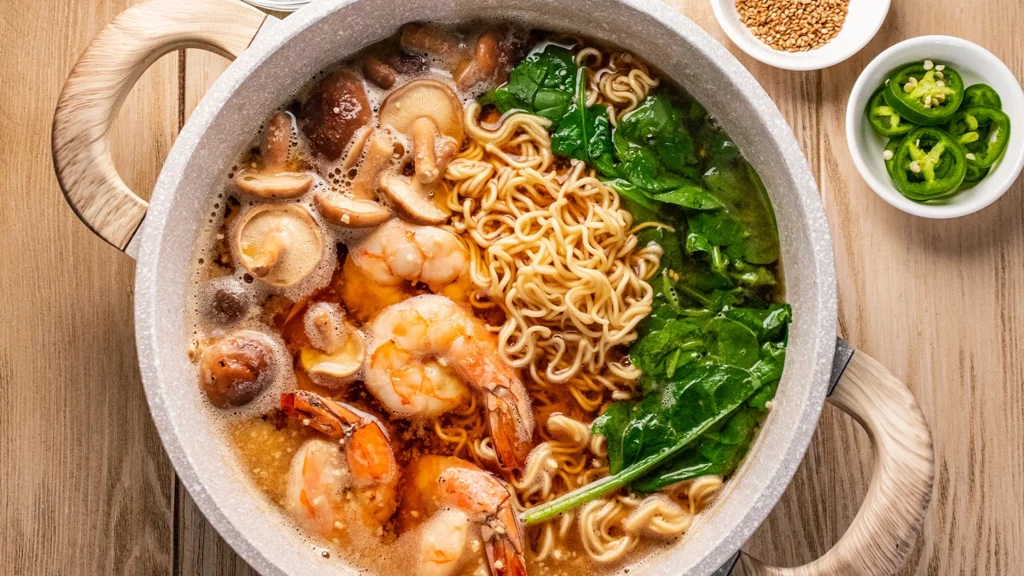
6. Seafood Ramen with Clams and Shrimp
This ramen brings ocean flavors to your bowl. Simmer shrimp shells and clam juice with garlic and ginger to make the broth.
Add tender shrimp and fresh clams as your protein. The seafood cooks quickly, so watch your timing.
Shrimp needs just a few minutes to avoid becoming rubbery. Clams are done when their shells open naturally.
Cook your noodles separately and add them to the hot broth right before serving.

7. Cold Sesame Ramen Salad
Cold sesame ramen salad combines chewy noodles with crisp vegetables in a tangy sesame-soy dressing. Use instant ramen noodles to make this dish quick and simple.
The salad works well for warm weather meals or as a side dish at gatherings. Cook the noodles, let them cool, then toss them with fresh vegetables like cabbage and carrots.
The sesame dressing brings bold flavor to the dish. Add crunchy toppings like almonds or sunflower seeds for extra texture.

8. Cheesy Air-Fried Ramen
Make crispy, cheesy ramen in your air fryer for a fun twist on the classic dish. Cook your ramen noodles first, then drain them well.
Mix the noodles with shredded cheese and your favorite seasonings. Press the mixture into your air fryer basket to form a flat layer.
Air fry at 375°F for about 8-10 minutes until the edges turn golden and crispy. The cheese melts into the noodles while the outside gets crunchy.

9. Mongolian Beef Ramen
Mongolian Beef Ramen brings together tender steak and instant noodles in a sweet and savory sauce. You can make this dish in about 20 to 30 minutes.
Use flank steak with soy sauce, garlic, ginger, and a touch of sugar. These ingredients create a sticky glaze that coats the noodles perfectly.
Add bell peppers and scallions for extra flavor and crunch. This meal works well for busy weeknights when you want something better than regular takeout.

10. Crunchy Mandarin Orange Chicken Ramen Salad
This salad turns uncooked ramen noodles into a crispy topping that adds great texture. Combine shredded chicken with mandarin oranges, cabbage, and lettuce for a fresh mix of flavors.
The crushed ramen noodles stay crunchy when you add them just before serving. Use rotisserie chicken to save time or cook your own chicken breasts.
The sweet oranges balance well with a tangy sesame dressing.
Key Ingredients in Top Ramen Noodle Recipes
A good bowl of ramen depends on choosing the right noodles and broth. Add toppings that bring extra flavor and texture to each bite.
Essential Noodles and Broths
The noodles form the base of your ramen bowl. Fresh ramen noodles have a chewy texture that works better than dried varieties.
You can find them in the refrigerated section of Asian grocery stores. If you use instant ramen, discard the seasoning packet and build your own flavors instead.
Your broth creates the foundation for the entire dish. Tonkotsu is a rich, creamy pork bone broth that cooks for hours.
Shoyu uses soy sauce as its base for a savory, clear broth. Miso adds fermented soybean paste for a deeper, more complex taste.
Make chicken broth by simmering bones with aromatics. Start with good stock as your base.
Add garlic, ginger, and scallions while it cooks. Season with soy sauce, mirin, or sesame oil to build layers of flavor.
Flavorful Add-Ins and Toppings
Your toppings add different textures and tastes to balance the noodles and broth. Soft-boiled eggs with jammy yolks are a classic choice.
Marinate them in soy sauce and mirin for extra flavor. Protein options include sliced pork belly, chicken thigh, or shrimp.
Cook the meat separately and slice it thin before adding it to your bowl. Vegetables bring freshness and crunch.
Common choices include:
- Corn kernels
- Bean sprouts
- Bamboo shoots
- Bok choy or spinach
- Mushrooms (shiitake work especially well)
Finish your bowl with sliced green onions, nori sheets, sesame seeds, or a drizzle of chili oil. These final touches add visual appeal and boost the overall taste.
How to Elevate Homemade Ramen
Making your ramen taste better doesn’t require fancy ingredients or special skills. A few simple additions can turn basic noodles into a satisfying meal.
Start with Better Broth
Don’t rely only on the seasoning packet. Add miso paste, soy sauce, or a splash of sesame oil to create deeper flavors.
You can also use chicken or vegetable stock instead of plain water.
Add Protein
Your ramen needs protein to make it filling. Try these options:
- Soft-boiled eggs with jammy yolks
- Leftover cooked chicken or rotisserie chicken
- Tofu cubes, pan-fried until crispy
- Frozen meatballs warmed in the broth
- Canned tuna or salmon
Include Fresh Vegetables
Throw in vegetables during the last few minutes of cooking. Spinach, bok choy, mushrooms, and bean sprouts work well.
Frozen vegetables like corn or peas are quick options that add color and nutrition.
Top It Off
Toppings add texture and make your bowl look restaurant-quality. Green onions, nori sheets, and sesame seeds are classic choices.
A drizzle of chili oil or hot sauce brings heat if you want it.
Mix Up the Flavor Profile
Try adding different seasonings based on what you have. Japanese curry cubes, garlic, ginger, or lime juice all change the taste.
Even a spoonful of peanut butter creates a creamy, nutty broth.
Frequently Asked Questions
Making ramen at home raises common questions about ingredients, techniques, and variations. These answers cover everything from creating healthy versions to mastering authentic broths and noodles.
What are some healthy variations of traditional ramen noodle recipes?
You can make ramen healthier by loading it with vegetables like bok choy, spinach, mushrooms, and bean sprouts. These add nutrients and fiber without sacrificing flavor.
Use lean proteins such as grilled chicken breast, tofu, or soft-boiled eggs instead of fatty pork belly. Reduce sodium by making your own broth and using low-sodium soy sauce.
Swap regular noodles for whole grain ramen noodles or zucchini noodles if you want to cut carbs. Adding miso paste provides probiotics that support gut health.
How do you make authentic ramen from scratch?
Start by choosing your broth type: tonkotsu uses pork bones, shoyu uses soy sauce, or miso uses fermented soybean paste. Each broth requires different cooking times and ingredients.
Simmer your broth for several hours to extract maximum flavor. Tonkotsu broth needs 12-18 hours of simmering to achieve its creamy white color and rich taste.
Prepare fresh noodles using bread flour, water, and kansui (alkaline mineral water). The kansui gives ramen noodles their signature yellow color and springy texture.
Top your ramen with traditional garnishes like chashu pork, green onions, nori seaweed, and marinated soft-boiled eggs.
What are the secrets to preparing a flavorful chicken ramen at home?
Use a whole chicken or chicken bones to make a rich stock by simmering them for at least 4-6 hours. The long cooking time extracts collagen and creates a silky texture.
Add aromatics like ginger, garlic, and green onions to the broth while it simmers. These ingredients build depth without overpowering the chicken flavor.
Season your broth with soy sauce, sake, and mirin for authentic Japanese taste. Adjust salt levels gradually to avoid over-seasoning.
Cook your tare (seasoning sauce) separately and add it to individual bowls before pouring in the hot broth. This method gives you better control over flavor intensity.
Mushroom-based broths deliver deep umami flavor that rivals meat-based versions. Use shiitake, cremini, and dried mushrooms for the best results.
Build richness by adding miso paste, sesame oil, and soy sauce to your vegetable broth. Kombu seaweed provides natural glutamates that enhance savory taste.
Top your vegetarian ramen with crispy tofu, corn, bamboo shoots, and seasoned mushrooms. These toppings add varied textures and flavors.
Try different vegetable combinations like roasted tomatoes for acidity or sweet potato for natural sweetness. Each variation creates a unique taste profile.
What is the process for creating the best ramen broth?
Select quality bones or vegetables as your base ingredient. Pork bones create creamy tonkotsu, chicken bones make lighter broth, and mushrooms work for vegetarian versions.
Blanch meat bones first to remove impurities. Rinse them before the main simmer.
This step produces clearer, cleaner-tasting broth. Maintain a steady simmer rather than a rolling boil for most broths.
Boil tonkotsu vigorously to emulsify the fat and create creaminess. Add aromatic vegetables like onions, ginger, and garlic during the last few hours of cooking.
Adding them too early can make the broth bitter. Strain your finished broth through a fine-mesh strainer or cheesecloth.
This removes solid particles and gives you smooth, restaurant-quality results.
What are the basics of making homemade ramen noodles?
Mix bread flour with kansui and water to form a stiff dough. Use a ratio of 100 grams flour to 40 grams water and 1 gram kansui.
Knead the dough thoroughly until it becomes smooth and elastic. This process develops the gluten that gives ramen noodles their chewy texture.
Wrap the dough in plastic and let it rest for at least 30 minutes. Resting allows the gluten to relax and makes rolling easier.
Roll the dough thin using a pasta machine or rolling pin. Cut it into your desired noodle width.
Dust the noodles with flour to prevent sticking. Cook fresh noodles in boiling water for just 1-2 minutes.
Keep the noodles slightly firm, as they cook much faster than dried noodles.