
Thai cuisine brings together sweet, sour, salty, and spicy flavors in ways that make every dish taste exciting and balanced. You can make restaurant-quality Thai food at home with the right recipes and a few key ingredients.
The dishes might seem complex, but most use similar cooking methods and pantry staples that work across many recipes. This collection covers everything from popular noodle dishes and curries to fresh salads and sweet desserts.
You’ll learn the cooking techniques that Thai chefs use and discover which ingredients make the biggest difference in flavor. Whether you want a quick weeknight meal or something special for guests, these recipes will help you cook authentic Thai food in your own kitchen.
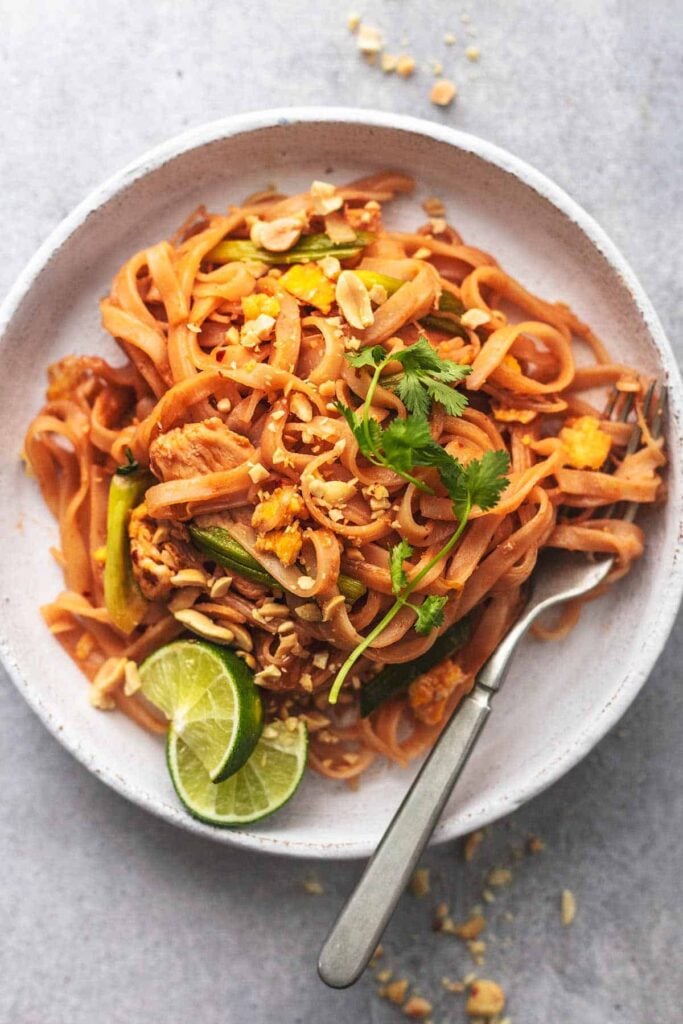
1. Classic Pad Thai
Pad Thai stands as Thailand’s most famous noodle dish. You’ll find it features rice noodles stir-fried with tamarind, fish sauce, and your choice of protein like shrimp, chicken, or tofu.
The dish balances sweet, salty, and tangy flavors in every bite. You can make authentic Pad Thai at home in about 30 minutes with the right ingredients.
Traditional toppings include crushed peanuts, bean sprouts, and a squeeze of fresh lime. Cook the noodles quickly over high heat to avoid a sticky, clumpy texture.

2. Green Curry Chicken
Green Curry Chicken stands out as one of Thailand’s most loved dishes. You’ll find it combines tender chicken with a fragrant green curry paste made from green chilies, lemongrass, and Thai basil.
The creamy coconut milk base balances the heat from the chilies. This dish takes about 30 minutes to make at home.
Use store-bought green curry paste to save time or make your own for a more authentic taste. Serve it over jasmine rice for a complete meal.

3. Tom Yum Soup
Tom Yum Soup is one of Thailand’s most famous dishes. You’ll love its bold combination of spicy, sour, and savory flavors.
The soup starts with a clear broth infused with lemongrass, kaffir lime leaves, and galangal. These ingredients create the distinctive aroma that makes Tom Yum special.
You can make it with shrimp (Tom Yum Goong) or choose a vegetarian version. Some recipes offer a creamy variation if you prefer a richer texture.
The dish comes together in under 30 minutes. It’s perfect for weeknight cooking.

4. Massaman Curry
Massaman curry stands out from other Thai curries with its rich, mild flavor profile. This dish combines tender chicken with creamy coconut milk and warming spices like cinnamon, cardamom, and star anise.
The curry has Persian and Indian influences, which makes it unique among Thai dishes. It’s less spicy than other curries but deeply aromatic.
Potatoes and peanuts add heartiness to the sauce. Make massaman curry at home in one pot and serve it over jasmine rice for a satisfying meal.

5. Papaya Salad (Som Tum)
Som Tum brings together all the bold flavors Thai food is known for in one refreshing dish. You’ll find shredded green papaya mixed with cherry tomatoes, long beans, and roasted peanuts.
The dressing combines fish sauce, lime juice, and palm sugar to create a balance of salty, sour, and sweet tastes. Fresh chilies add heat, while garlic brings depth.
This salad comes from northeastern Thailand and works as a light meal or side dish. Adjust the spice level to match your preferences.

6. Thai Basil Fried Rice
Thai Basil Fried Rice combines jasmine rice with fresh Thai basil, garlic, and chilies for a quick weeknight meal. Make this dish in about 20 to 30 minutes using leftover rice.
The recipe works well with chicken, shrimp, or pork as your protein. Stir fry your choice of meat with garlic and chilies, then add rice and sauces.
Fresh Thai basil goes in at the end to keep its bright flavor. This one-pan dish balances sweet, salty, and spicy flavors.
It’s a practical way to use up rice from the night before.

7. Pineapple Fried Rice
You’ll love this colorful Thai dish that mixes sweet pineapple chunks with savory fried rice. The recipe includes eggs, vegetables, and cashews for added texture.
Curry powder gives the rice its signature yellow color and warm flavor. Add shrimp or chicken for extra protein.
Many people serve it in a hollowed-out pineapple shell for a fun presentation, though a regular bowl works just fine.

8. Red Curry with Duck
Red curry with duck stands out as a refined dish in Thai cuisine. The rich duck meat pairs perfectly with creamy coconut milk and aromatic red curry paste.
Use duck breast or slow-cooked duck legs for deeper flavor. The dish often includes pineapple or lychees, which add sweetness that balances the savory curry.
Start by crisping the duck skin, then simmer it in red curry sauce made with coconut milk. Serve over jasmine rice and garnish with Thai basil and fresh cilantro.

9. Thai Peanut Sauce
Thai peanut sauce brings together creamy peanut butter with savory and tangy flavors. Make it in just five minutes with simple ingredients like soy sauce, lime juice, and a touch of sweetness.
This sauce works well as a dip for spring rolls and fresh vegetables. You can also drizzle it over noodles, salads, or grilled chicken.
Keep a jar in your fridge for quick meals and snacks throughout the week.

10. Coconut Mango Sticky Rice
This classic Thai dessert combines sweet glutinous rice with fresh mango slices and creamy coconut sauce. Cook sticky rice until tender, then mix it with sweetened coconut milk that creates a rich coating.
Serve it with ripe mango pieces on the side. The recipe uses simple ingredients you can find at most Asian grocery stores.
Making it at home takes patience, but the results match what you’d find at Thai restaurants.
Essential Thai Cooking Techniques
Thai cooking relies on three fundamental skills: balancing the four core flavors, mastering high-heat cooking in a wok, and grinding fresh ingredients with traditional tools. These techniques form the foundation of authentic Thai dishes.
Balancing Flavors: The Thai Philosophy
Thai cuisine centers on four essential flavors that must work together in every dish: sweet, salty, sour, and spicy. Taste as you cook and adjust these elements until they complement each other.
Sweet comes from palm sugar or regular sugar. Salty flavors come from fish sauce or soy sauce.
Sour notes use lime juice, tamarind, or vinegar. Spicy heat comes from fresh chilies or dried chili flakes.
Start by adding small amounts of each component. Taste your dish frequently and adjust one flavor at a time.
If your curry tastes too salty, add a pinch of sugar. If it’s too sweet, squeeze in lime juice or add more fish sauce.
Some dishes lean heavily toward sour and spicy, like tom yum soup. Others favor sweet and salty, like pad Thai.
Stir-Frying and Wok Skills
Stir-frying requires very high heat and constant movement. Your wok should be hot enough that a drop of water evaporates immediately when it hits the surface.
Add oil and let it heat until it shimmers. Put aromatics like garlic or chilies in first, stirring constantly for just 10-15 seconds.
Add your protein next, spreading it in a single layer to get a good sear. Keep ingredients moving with a spatula or by tossing the wok.
Don’t overcrowd the pan or your food will steam instead of fry. Cook in batches if needed.
Add vegetables in order of cooking time. Harder vegetables like carrots go in before softer ones like bean sprouts.
The entire cooking process usually takes 3-5 minutes.
Proper Use of Mortar and Pestle
A granite mortar and pestle creates Thai curry pastes and sauces that taste different from food processor versions. The grinding action releases oils and creates the right texture.
Pound fibrous ingredients like lemongrass and galangal first. Use a firm downward motion, not a grinding or twisting action.
Add softer items like garlic and shallots next, then chilies. Add ingredients in small amounts.
Scrape down the sides frequently to ensure everything gets crushed evenly. The process takes 10-15 minutes for curry paste, but the flavor is worth the effort.
Salt or shrimp paste helps create friction and breaks down ingredients faster. Add a small amount early in the pounding process.
Key Ingredients in Authentic Thai Cuisine
Thai cooking balances four distinct flavors: sweet, sour, salty, and spicy. The ingredients you choose directly affect how well you can recreate these flavors in your kitchen.
Herbs and Aromatics
Fresh herbs and aromatics form the flavor base of Thai cooking. Lemongrass adds a citrusy, floral note to soups and curries.
Use the tender lower portion of the stalk, which you can slice thinly or bruise before adding to dishes. Galangal looks similar to ginger but tastes sharper and more medicinal.
It’s a key ingredient in tom yum and tom kha soups. Fresh galangal works best, though frozen is acceptable.
Thai basil differs from Italian basil with its anise-like flavor and purple stems. You’ll find it in stir-fries and curries, added at the end of cooking to preserve its flavor.
Kaffir lime leaves provide an intense citrus aroma. Tear the leaves or slice them into thin strips for curries and soups.
The zest and juice from kaffir limes also add bright flavor to many dishes. Cilantro appears throughout Thai cooking.
Use the leaves as garnish, while the roots get ground into curry pastes and marinades.
Traditional Sauces and Pastes
Fish sauce serves as the primary source of saltiness in Thai cuisine. This fermented condiment adds depth and umami to nearly every dish.
Use it the way other cuisines use salt. Oyster sauce provides a sweet, savory flavor to stir-fries and marinades.
Thai curry pastes come in several varieties. Red curry paste contains dried red chilies, while green curry paste uses fresh green chilies.
Yellow curry paste includes turmeric for its distinctive color. Each paste combines chilies, garlic, lemongrass, galangal, and shrimp paste.
Tamarind paste adds the sour element to pad thai, curries, and dipping sauces. Buy it as a concentrate or as a block that requires soaking and straining.
Shrimp paste delivers an intense, funky flavor to curry pastes and dipping sauces. A small amount goes a long way.
Staple Vegetables and Proteins
Thai cooking relies on specific vegetables that contribute texture and flavor. Thai eggplants are small, round, and slightly bitter.
Long beans stay crisp when cooked and appear in stir-fries. Bamboo shoots add crunch to curries.
Common proteins include:
- Chicken (especially thighs)
- Pork (shoulder or belly)
- Shrimp and prawns
- Fish (snapper, sea bass)
- Tofu for vegetarian dishes
Fresh chilies determine the heat level in your dishes. Bird’s eye chilies pack intense heat, while larger chilies offer milder spice.
Adjust the amount based on your preference. Coconut milk creates the creamy base for most Thai curries.
Full-fat coconut milk works best for authentic flavor and texture.
Frequently Asked Questions
Thai cooking brings up common questions about techniques, ingredients, and which dishes to start with. The answers below address practical concerns about weeknight meals, beginner-friendly recipes, and authentic preparation methods.
What are some classic Thai dishes suitable for a weeknight dinner?
Classic Pad Thai works perfectly for busy weeknights since it cooks in under 30 minutes. You need rice noodles, protein of your choice, eggs, bean sprouts, and a simple sauce made from tamarind paste, fish sauce, and palm sugar.
Tom Yum Soup is another quick option that takes about 20 minutes from start to finish. The hot and sour broth requires lemongrass, galangal, lime leaves, and chili paste.
Thai basil stir-fries cook even faster, usually in 15 minutes or less. You can use chicken, beef, or tofu with fresh basil, garlic, and chilies.
Which Thai recipes are recommended for those just starting to cook Thai cuisine?
Start with Classic Pad Thai because it teaches you basic Thai flavor balance without requiring hard-to-find ingredients. The dish uses straightforward stir-fry techniques you probably already know.
Papaya Salad (Som Tum) is a good beginner recipe since it requires no cooking at all. You just pound together green papaya, tomatoes, long beans, peanuts, and a simple dressing.
Thai fried rice is forgiving and familiar. It lets you practice using fish sauce and Thai seasonings without worrying about complex cooking methods.
How can I make authentic Thai meals at home?
Stock your pantry with essential Thai ingredients like fish sauce, oyster sauce, palm sugar, and tamarind paste. These create the base flavors for most Thai dishes.
Buy fresh aromatics including lemongrass, galangal, lime leaves, and Thai basil from Asian markets. Fresh herbs make a big difference in taste compared to dried versions.
Use a mortar and pestle to make curry pastes from scratch when possible. Homemade versions give you more control over heat and flavor than store-bought pastes.
Can you list the 10 most popular Thai dishes that everyone should try?
Classic Pad Thai tops the list as Thailand’s most famous noodle dish. Green Curry Chicken follows with its coconut milk base and aromatic herbs.
Tom Yum Soup ranks third for its bold hot and sour flavors. Massaman Curry offers a milder, slightly sweet alternative with peanuts and potatoes.
Papaya Salad (Som Tum) provides a refreshing contrast with its spicy, tangy crunch. Pad See Ew features wide rice noodles with soy sauce and Chinese broccoli.
Thai Basil Chicken (Pad Krapow Gai) delivers quick, spicy satisfaction. Spring rolls serve as popular appetizers, either fresh or fried.
Mango Sticky Rice makes a perfect dessert with coconut sauce. Tom Kha Gai rounds out the list with its creamy coconut soup.
Start with fresh spring rolls or chicken satay with peanut sauce as appetizers. These finger foods let guests mingle while you finish cooking.
Serve Green Curry Chicken as your main dish alongside Massaman Curry for those who prefer milder flavors. This gives everyone options based on their spice tolerance.
Add Classic Pad Thai and jasmine rice as your starch options. Include Papaya Salad (Som Tum) for a fresh, crunchy side dish.
Finish with mango sticky rice for dessert. This menu covers all flavor profiles and dietary preferences.
How do I prepare a Thai-style chicken dish that is both authentic and easy to make?
Green Curry Chicken takes just 30 minutes of active cooking time. Simmer chicken pieces in coconut milk with green curry paste, fish sauce, palm sugar, and Thai basil.
Start by frying the curry paste in coconut cream until fragrant. Add the chicken and cook until it is no longer pink.
Pour in the remaining coconut milk and add the seasonings. Add vegetables like eggplant or bamboo shoots if you want.
Simmer for 15 minutes until the chicken is cooked through. Taste and adjust the seasoning with more fish sauce or sugar as needed.