
Thai food brings together sweet, sour, salty, and spicy flavors in ways that make every dish exciting to eat. You don’t need years of practice or a trip to a restaurant to enjoy these bold tastes at home.
This collection gives you the recipes and knowledge you need to make authentic Thai dishes in your own kitchen. You’ll learn how to prepare popular favorites like curries and noodle dishes.
You’ll also learn how to make soups and desserts. The guide covers the key ingredients and cooking methods that give Thai food its unique character.
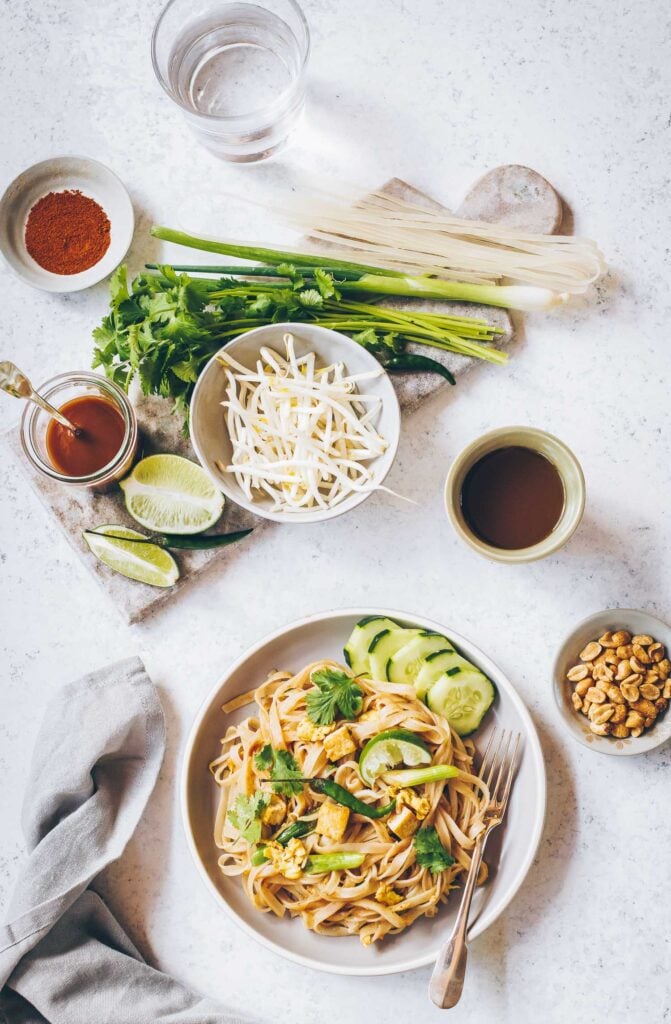
1. Classic Pad Thai
Pad Thai is Thailand’s most famous noodle dish, and you can make it at home with the right ingredients. The key is balancing sweet, sour, salty, and umami flavors in your sauce.
You’ll need flat rice noodles, tamarind paste, fish sauce, and palm sugar for an authentic taste. Add protein like chicken, shrimp, or tofu, then top with crushed peanuts, bean sprouts, and fresh lime.
Cook everything quickly in a hot wok. This keeps your noodles from getting sticky or wet.

2. Thai Green Curry
Thai green curry delivers bold flavors with less effort than you might think. The dish gets its bright green color from fresh herbs like Thai basil and kaffir lime leaves blended with green chilies.
You can make it with chicken, beef, tofu, or vegetables. The creamy coconut milk base balances the heat from the chilies.
Store-bought curry paste works well when you’re short on time. Make your own paste from scratch for a more authentic taste.

3. Tom Yum Goong (Spicy Shrimp Soup)
Tom Yum Goong is Thailand’s most famous soup. It combines spicy, sour, and savory flavors in one bowl.
Lemongrass, galangal, kaffir lime leaves, and Thai chilies give the broth its taste. You’ll find fresh shrimp and mushrooms in every serving.
Fish sauce adds depth while lime juice brings the sour notes. Make this soup in about 30 minutes.
Use fresh herbs to build the aromatic broth. Serve it with steamed jasmine rice for a complete meal.

4. Massaman Curry
Massaman curry stands apart from other Thai curries with its rich, creamy sauce and warm spices. You’ll taste influences from Persian and Indian cuisine in every bite.
The curry combines coconut milk, potatoes, peanuts, and your choice of chicken or beef. Key ingredients include tamarind, fish sauce, and palm sugar, creating a balance of sweet, salty, and tangy flavors.
Make this mild, aromatic curry in one pot at home. Serve it over jasmine rice for an authentic Thai meal.
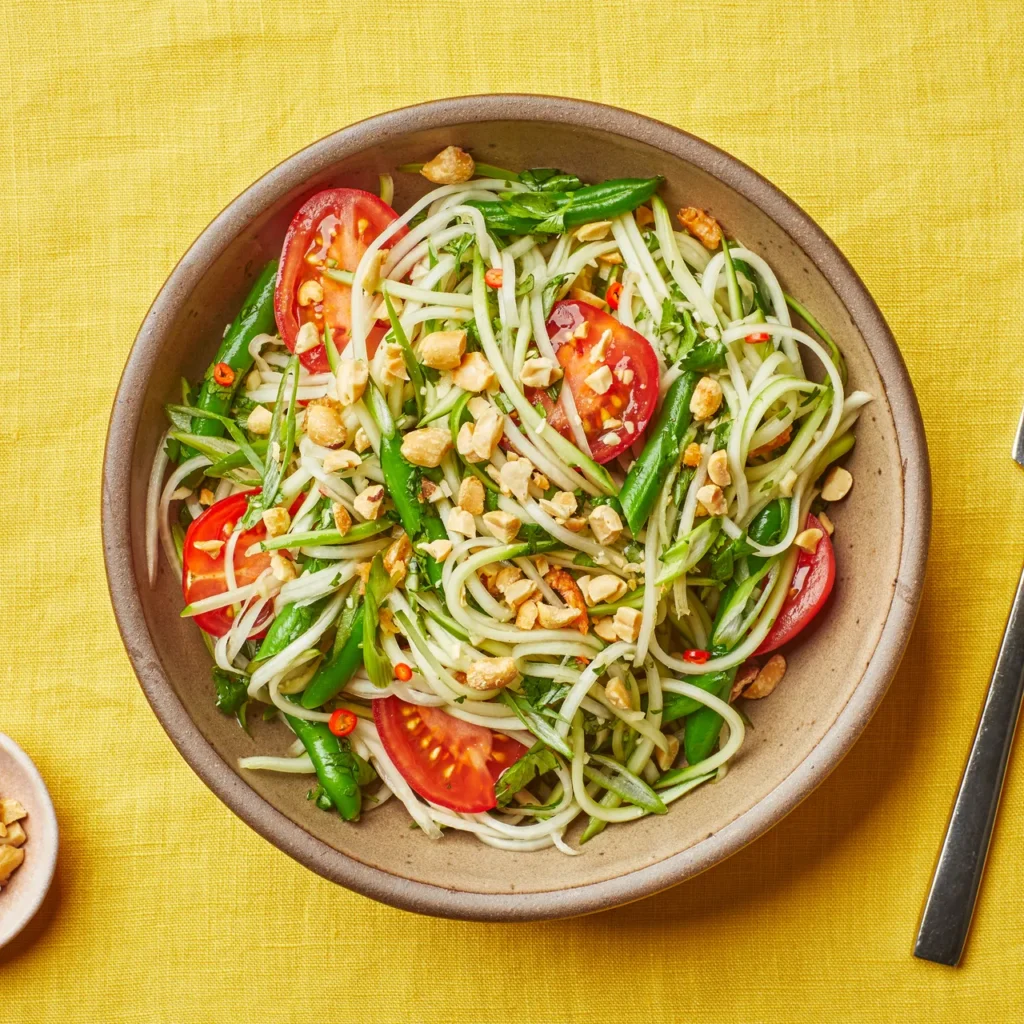
5. Som Tum (Green Papaya Salad)
Som Tum brings together shredded green papaya with a bold dressing that balances salty, sour, sweet, and spicy flavors. Pound garlic, chilies, and palm sugar in a mortar and pestle, then add fish sauce and lime juice.
The salad includes cherry tomatoes, long beans, and roasted peanuts for crunch. Green papaya stays crisp and absorbs the dressing well.
Adjust the heat level by adding more or fewer chilies. This dish works as a light meal or pairs well with grilled meats and sticky rice.
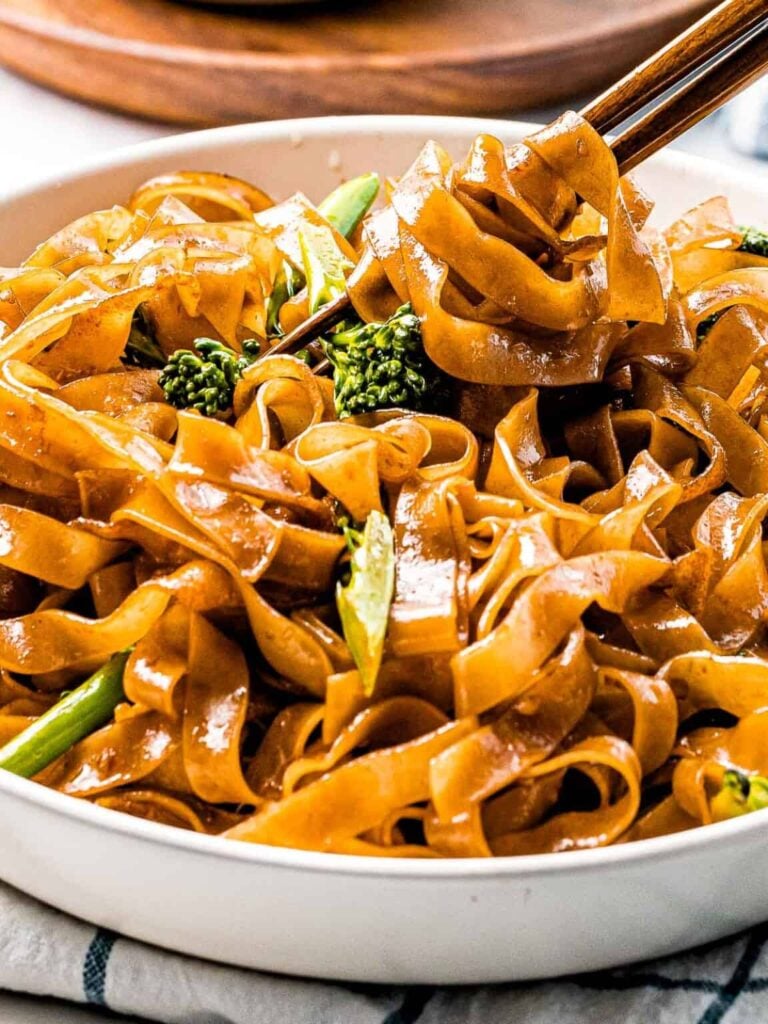
6. Pad See Ew (Stir-Fried Noodles)
Pad See Ew is a popular Thai street food dish you can make at home in under 20 minutes. The dish features wide rice noodles stir-fried with Chinese broccoli, egg, and your choice of protein.
Everything gets coated in a savory soy sauce-based mixture that gives the noodles their dark color and rich taste. Use a hot wok or large skillet for the best results.
Cook quickly over high heat to develop flavor while keeping the noodles from breaking apart.

7. Panang Curry
Panang curry stands out from other Thai curries with its thick, creamy texture and rich peanut flavor. It’s less soupy than red or green curry, making it perfect for serving over rice.
The key to great panang curry is the curry paste. Ground peanuts mixed into the paste create that signature nutty taste.
Make this curry with pork, chicken, beef, or shrimp. It takes about 30 minutes from start to finish.

8. Thai Basil Chicken (Pad Kra Pao)
You’ll find this dish at nearly every Thai street food stall for good reason. It’s one of the most popular Thai recipes you can make at home.
Combine ground or diced chicken with Thai chilies and holy basil in a savory sauce. Have it ready in about 15 minutes, making it perfect for busy weeknights.
Serve it over steamed rice with a fried egg on top. The combination of salty, spicy, and aromatic flavors makes this stir-fry a standout.

9. Tom Kha Gai (Coconut Chicken Soup)
Tom Kha Gai is a creamy Thai soup that balances sweet, salty, sour, and spicy flavors. The soup gets its rich base from coconut milk and includes chicken and mushrooms.
You’ll need lemongrass, galangal, and makrut lime leaves for the authentic taste. These herbs give the soup its special flavor.
Fish sauce adds a salty element while lime juice brings tartness. Make this soup in about 30 minutes.

10. Mango Sticky Rice
Mango sticky rice is Thailand’s most popular dessert. You’ll find it at street vendors and restaurants throughout the country.
The dish combines three simple ingredients: sweet glutinous rice, coconut cream sauce, and fresh ripe mango slices. Soak and steam the rice until tender, then mix with sweetened coconut milk.
Use the right type of rice—glutinous or sweet rice—for the signature sticky texture. Serve it warm or at room temperature for the best flavor.
Essential Ingredients in Thai Cooking
Thai cooking relies on fresh aromatics like lemongrass and Thai basil. Ready-made curry pastes provide quick flavor, and pantry staples such as fish sauce and coconut milk create the signature balance of salty, sweet, sour, and spicy tastes.
Key Herbs and Spices
Lemongrass adds a bright citrus flavor to soups and curries. Remove the tough outer layers and use only the tender lower portion.
Thai basil has a distinct anise-like taste that differs from Italian basil. It’s essential for dishes like pad krapow and green curry.
Galangal looks similar to ginger but tastes sharper and more piney. Find it fresh or frozen at Asian markets.
Kaffir lime leaves provide an intense citrus aroma. Fresh leaves work best, but frozen ones are acceptable.
Cilantro appears in Thai cooking from root to leaf. The roots get ground into curry pastes, while the leaves serve as garnish.
Thai bird chilies are small but extremely spicy. Start with fewer chilies than recipes suggest until you know your heat tolerance.
Types of Thai Curry Pastes
Red curry paste contains dried red chilies, garlic, lemongrass, galangal, and shrimp paste. It creates medium-spiced curries with meat or vegetables.
Green curry paste uses fresh green chilies, making it typically the spiciest option. The green color comes from cilantro and Thai basil.
Yellow curry paste includes turmeric, which gives it a golden color and milder heat. It has Indian influences with cumin and coriander.
Massaman curry paste is the sweetest and least spicy variety. It contains warm spices like cinnamon, cardamom, and cloves.
Buy pre-made pastes in jars or packets to save prep time. Store opened curry paste in the refrigerator for up to three months.
Staple Ingredients to Have On Hand
Fish sauce is the primary source of saltiness in Thai cooking. It adds depth that regular salt cannot match.
Coconut milk creates creamy curries and soups. Buy full-fat versions in cans for authentic texture.
Palm sugar provides a caramel-like sweetness. Substitute brown sugar if needed.
Rice vinegar or lime juice adds the sour element. Fresh lime juice tastes brighter and more authentic.
Oyster sauce thickens stir-fries and adds savory depth. It works particularly well in noodle dishes.
Tamarind paste delivers tangy, fruity sourness to pad thai and other classic recipes. It comes in jars or blocks that you dissolve in water.
Jasmine rice serves as the foundation for most Thai meals. Its slightly floral aroma complements spicy dishes.
Techniques for Authentic Thai Flavors
Thai cooking relies on specific techniques that create bold, complex tastes. These methods focus on balancing flavors, using traditional cooking approaches, and presenting dishes in ways that highlight fresh ingredients.
Balancing Sweet, Sour, Salty, and Spicy
Every authentic Thai dish aims to balance four main flavors in harmony. Taste as you cook and adjust each element until no single flavor overpowers the others.
Sweet comes from palm sugar or regular sugar. Sour typically comes from lime juice, tamarind, or vinegar.
Salty flavors come from fish sauce or soy sauce. Spicy heat comes from fresh chilies or dried chili flakes.
Start with small amounts of each ingredient. Add a teaspoon of sugar, then a splash of lime juice, followed by fish sauce and chilies.
Taste after each addition. If the dish tastes too sour, add more sugar.
If it’s too sweet, add more lime juice or fish sauce. The balance will vary based on the specific dish.
Pad Thai leans slightly sweeter, while tom yum soup emphasizes sour and spicy notes. Make sure you can taste all four elements without one dominating.
Traditional Cooking Methods
Thai cooking uses high heat and quick cooking times for most dishes. A wok over high flame creates the characteristic smoky flavor called “wok hei” in stir-fries.
Pound ingredients in a mortar and pestle to release essential oils better than chopping. Use this method for curry pastes, papaya salad, and dipping sauces.
The pounding action breaks down fibers and creates smooth, aromatic pastes. Stir-fry with very high heat and constant movement.
Prep all ingredients before you start. Cook proteins first, remove them, then cook vegetables quickly.
Add sauces at the end and toss everything together for 30 seconds. For curries, fry the curry paste in coconut cream until it splits and becomes fragrant.
Add your protein and remaining coconut milk after frying the paste.
Tips for Presentation and Garnishing
Thai dishes rely on fresh garnishes that add flavor and texture. Add fresh herbs like cilantro, Thai basil, and mint right before serving to maintain their bright taste and color.
Slice garnishes thinly and arrange them neatly on top of finished dishes. Common garnishes include:
- Sliced red chilies or chili flakes
- Fresh lime wedges
- Chopped peanuts or cashews
- Fried shallots or garlic
- Fresh herb sprigs
Serve dishes in shallow bowls or plates that show off the colors. Place proteins and vegetables so you can see them clearly.
Add lime wedges on the side so people can adjust the sourness to their preference.
Frequently Asked Questions
Thai cooking involves learning about certain ingredients, mastering basic techniques, and understanding the balance of sweet, salty, spicy, and sour flavors that make these dishes special.
What are some simple Thai dishes for someone new to cooking Thai cuisine?
Pad Thai is the best starting point for beginners. It uses rice noodles, eggs, tamarind paste, and fish sauce with simple stir-fry techniques.
Som Tum (Green Papaya Salad) requires no cooking at all. Shred green papaya and toss it with lime juice, fish sauce, chilies, and peanuts.
Thai basil stir-fries are also beginner-friendly. Cook your choice of protein with garlic, chilies, and Thai basil in a hot wok with basic sauce ingredients.
Which Thai chicken dishes are most recommended for a flavorful meal?
Thai Green Curry with chicken offers rich coconut milk flavors combined with green curry paste, Thai basil, and vegetables. The curry paste gives the dish its signature taste and makes it easy to prepare.
Thai Basil Chicken (Pad Krapow Gai) is a quick stir-fry dish. It combines ground chicken with Thai basil, garlic, chilies, and a simple sauce of fish sauce and oyster sauce.
Massaman Curry with chicken provides a milder, slightly sweet option. This dish includes potatoes, peanuts, and warming spices like cinnamon and cardamom.
What are the top ten Thai dishes everyone should try?
Classic Pad Thai tops the list as the most recognized Thai noodle dish. Tom Yum Goong (Spicy Shrimp Soup) follows with its signature hot and sour broth.
Thai Green Curry and Massaman Curry represent the essential curry dishes. Som Tum (Green Papaya Salad) provides a fresh, crunchy contrast.
Pad See Ew offers flat rice noodles with soy sauce and Chinese broccoli. Thai Basil Stir-Fry works with chicken, pork, or seafood.
Larb (minced meat salad) brings herbs and toasted rice powder together. Coconut soup (Tom Kha) adds creamy, mild flavors.
Mango Sticky Rice rounds out the list as the classic Thai dessert.
Start your meal with Tom Yum Goong or a fresh Som Tum salad. These dishes wake up your taste buds and prepare you for the main course.
Choose one or two curry dishes like Thai Green Curry and Massaman Curry as your main courses. Serve them with jasmine rice, which soaks up the flavorful sauces.
Add Pad Thai or another noodle dish for more variety. End with mango sticky rice when mangoes are in season, or fresh fruit as a lighter option.
What are the key ingredients in traditional Thai cooking?
Fish sauce provides the salty, savory base for most Thai dishes. Tamarind paste adds the sour element, while palm sugar brings sweetness.
Thai chilies deliver heat, and lime juice adds brightness. Fresh herbs like Thai basil, cilantro, and lemongrass create the aromatic profile.
Coconut milk makes curries creamy and rich. Galangal, kaffir lime leaves, and shrimp paste add depth to soups and curry pastes.
Rice noodles and jasmine rice serve as the foundation for many meals.
Where can I find authentic Thai recipes with step-by-step pictures?
Many food blogs dedicated to Thai cooking include detailed photo tutorials. These sites walk you through each step of the cooking process with clear images.
You can find recipes for dishes like Pad Thai, Green Curry, and Massaman Curry with visual guides. Look for recipes that show the curry paste preparation and the stages of cooking.
Check for guides that display the final plated dish to help you understand what each step should look like.