
Persimmons are a sweet, versatile fruit that deserves more attention in your kitchen. These orange fruits taste like a mix of apples and apricots, with a unique texture that works well in both sweet and savory dishes.
Many people skip over persimmons at the grocery store because they don’t know how to use them. You’ll discover ways to use both Fuyu and Hachiya varieties in everything from breads and muffins to soups and main courses.
Whether you want to try your first persimmon recipe or expand your cooking skills, these dishes will show you how flexible this fruit can be.
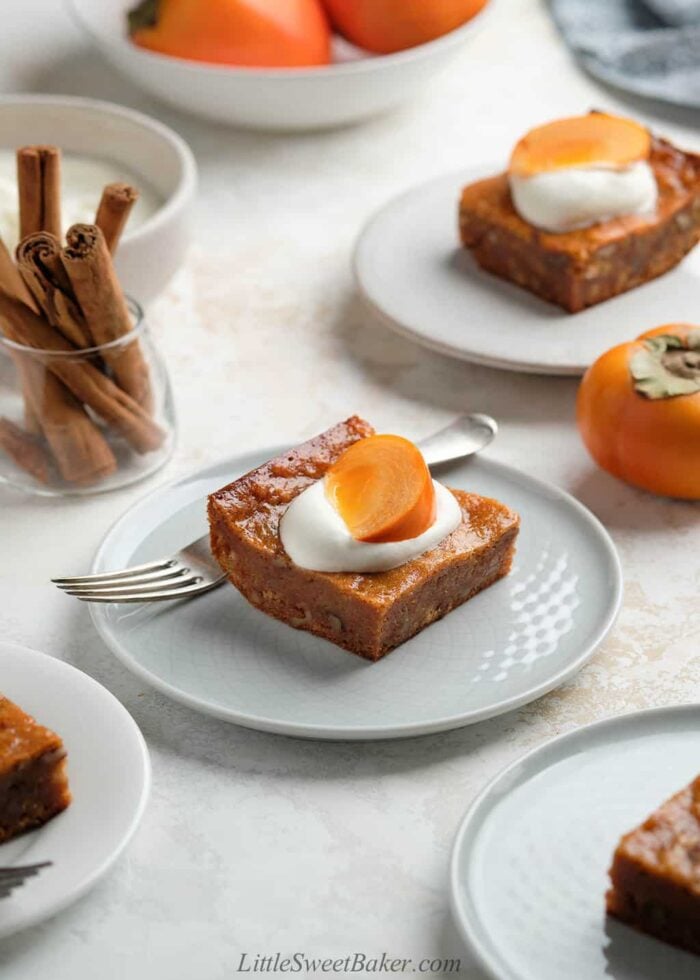
1. Hachiya Persimmon Pudding
Hachiya persimmon pudding creates a soft, custard-like dessert perfect for fall. You need very ripe Hachiya persimmons that feel soft and have clear skin.
Start by making persimmon puree from the soft fruit. Mix the puree with eggs, milk, and sugar in a bowl.
Add warm spices like cinnamon and ginger for extra flavor. Pour the mixture into a baking dish.
Bake until the pudding sets but stays creamy. You get a sweet dessert with smooth texture and rich persimmon taste.

2. Fuyu Persimmon Salad with Arugula and Walnuts
This simple salad combines sweet persimmons with peppery arugula. The contrast makes each bite interesting.
You need ripe but firm Fuyu persimmons for the best texture. Slice them thin like apple slices.
Toasted walnuts add crunch to the soft fruit and leaves. Toast them for a few minutes to bring out their nutty flavor.
Mix everything with a light dressing made from olive oil and lemon juice. The acid helps balance the sweet persimmons.
This salad works as a side dish or light lunch. It’s ready in just a few minutes.

3. Persimmon Bread with Cinnamon and Nutmeg
This spiced persimmon bread creates a moist, flavorful loaf perfect for fall baking. The combination of cinnamon and nutmeg adds warm, cozy notes to the sweet persimmon base.
You can make this bread in one bowl in about 15 minutes. The recipe uses ripe persimmons mixed with basic baking ingredients and your chosen spices.
The bread works well for breakfast or dessert. Many recipes also include additions like walnuts or raisins for extra texture and flavor.

4. Persimmon and Goat Cheese Crostini
This appetizer combines sweet persimmons with tangy goat cheese on toasted bread. You can make it in just a few minutes.
Start by toasting baguette slices until golden. Spread soft goat cheese on each piece.
Top with thin persimmon slices. Drizzle with honey and balsamic vinegar for extra flavor.
Add fresh thyme leaves for an herbal touch. Some recipes include chopped walnuts or pomegranate seeds for crunch.
Serve right away while the bread is still crisp.

5. Persimmon Muffins with Pecans
You can make delicious persimmon muffins by adding chopped pecans to your batter. The sweet persimmons pair perfectly with the nutty flavor of pecans.
Use ripe Hachiya persimmons or canned persimmon pulp for best results. Mix the persimmons and pecans into your batter along with warm spices like cinnamon.
You can sprinkle extra toasted pecans on top before baking. Fill your muffin cups about three-quarters full with batter.
These muffins work great for fall breakfasts or lunch treats.

6. Persimmon Jam with Ginger
This sweet and spicy jam combines ripe persimmons with fresh ginger for a perfect balance of flavors. You can make it with just a few simple ingredients.
Start by washing very ripe persimmons and removing the blossom end. Scrape the flesh from the skin or peel the fruit completely.
Add sugar and lemon juice to the persimmon pulp. Grate fresh ginger and mix it in based on your taste preference.
Bring the mixture to a boil and cook gently for 3-5 minutes until thick. The jam is ready when you can scrape the bottom of the pan.

7. Persimmon and Sweet Potato Soup
This soup combines sweet persimmons with creamy sweet potatoes for a warm fall dish. You can make it in under 30 minutes using an Instant Pot.
The natural sweetness from both ingredients creates a rich base. Adding spices like turmeric, ginger, or curry powder gives the soup more flavor.
You can roast the vegetables first for deeper taste. Drizzle olive oil on persimmons and sweet potatoes, then bake at 400 degrees for 25-35 minutes.
Top your soup with crushed pistachios or a drizzle of paprika oil for extra flavor.

8. Persimmon and Brie Grilled Cheese
This grilled cheese takes your lunch to the next level. You combine sweet persimmon slices with creamy brie cheese for amazing flavor.
Add salty prosciutto and sharp mustard for extra taste. The sweet fruit balances the rich cheese perfectly.
Use ripe Fuyu persimmons for the best results. Slice them thin so they cook evenly with the melting brie.
Grill on crusty bread until golden brown. The warm, oozy cheese pairs beautifully with the soft persimmon.

9. Persimmon Risotto with Sage
This creamy risotto combines sweet persimmons with earthy sage for a perfect fall dish. You’ll need Arborio rice, fresh persimmons, and sage leaves.
Start by sautéing diced persimmons until they’re golden. Add the rice and toast it briefly before adding warm broth slowly.
Fresh sage adds an herbal note that balances the fruit’s sweetness. Stir in the sage leaves during the last few minutes of cooking.
The persimmons break down slightly as they cook, creating natural sweetness throughout the dish. Finish with parmesan cheese and butter for extra creaminess.

10. Persimmon and Avocado Salsa
This winter salsa combines sweet persimmons with creamy avocado for a fresh twist on traditional recipes. You can use ripe but firm Fuyu persimmons for the best texture.
The salsa works well as a dip with tortilla chips. You can also use it as a topping for tacos or tostadas.
Mix diced persimmons and avocado with red onion, cilantro, and jalapeño. Add lime juice to keep the avocado fresh and bright.

11. Persimmon Smoothie with Banana and Greek Yogurt
This creamy smoothie combines sweet persimmons with banana and Greek yogurt for a perfect fall treat. You only need four simple ingredients to make this healthy snack.
The persimmons add natural sweetness while bananas create a smooth texture. Greek yogurt provides protein and makes the smoothie extra thick and creamy.
Add almond milk to reach your desired consistency. A touch of honey or cinnamon enhances the flavors even more.
This smoothie works great for breakfast or as an afternoon snack when you want something nutritious and satisfying.

12. Persimmon and Pomegranate Salad
This colorful salad combines sweet persimmons with tart pomegranate seeds. Use Fuyu persimmons since you can eat them while firm.
The contrast between sweet and tangy flavors makes this dish special. You can add greens like kale or arugula for extra nutrition.
Make a simple dressing with honey and lemon juice. The salad works well as a side dish or light meal.
You can prepare it quickly with just a few ingredients.

13. Persimmon and Prosciutto Appetizers
You can create an elegant appetizer by pairing sweet persimmons with salty prosciutto. This combination works perfectly for holiday parties or special dinners.
Use firm Fuyu persimmons for the best results. Cut them into wedges and wrap each piece with a thin strip of prosciutto.
You can add cheese like mozzarella or ricotta for extra flavor. Fresh basil leaves also complement this dish well.
Secure each bundle with a toothpick. Drizzle with olive oil before serving to your guests.

14. Persimmon Chutney with Shallots
This sweet and tangy condiment combines ripe persimmons with mild shallots. Use firm Fuyu persimmons for the best texture.
You can make this chutney by cooking diced persimmons with chopped shallots, vinegar, and spices. The shallots add a gentle onion flavor that balances the fruit’s sweetness.
This chutney works well as a holiday side dish or gift. Serve it with roasted meats or cheese platters for extra flavor.

These cookies combine sweet persimmons with creamy white chocolate chips. You get a soft, moist texture that works well for holiday baking.
Use ripe Fuyu persimmons for the best flavor. The fruit adds natural sweetness and keeps the cookies from drying out.
White chocolate chips balance the persimmon’s mild taste. You can add spices like cinnamon or ginger for extra warmth.
The dough doesn’t need chilling before baking. This makes them quick to prepare when you want fresh cookies.

16. Persimmon and Quinoa Salad with Feta
This healthy salad combines sweet persimmons with nutty quinoa and tangy feta cheese. You get a perfect balance of flavors and textures in every bite.
Cook your quinoa first and let it cool. Slice ripe persimmons into thin pieces.
Add crumbled feta cheese and fresh herbs like parsley or chives. You can add pomegranate seeds for extra color and crunch.
A simple lemon vinaigrette works well as dressing. This makes a great fall lunch or light dinner option.

17. Persimmon Pancakes with Maple Syrup
Persimmon pancakes bring sweet fall flavors to your breakfast table. You can make them with fresh persimmon pulp mixed into regular pancake batter.
The best spices to add are cinnamon, nutmeg, and cloves. These warm spices pair well with the persimmon’s natural sweetness.
Cook the pancakes on medium heat until golden brown. Pour about 1/4 cup of batter for each pancake.
Serve your persimmon pancakes with maple syrup and powdered sugar. The maple syrup adds extra sweetness that complements the persimmon flavor perfectly.

18. Persimmon Tart with Almond Cream
This tart combines sweet persimmons with rich almond cream filling. You start with a buttery pastry crust made from almond flour.
The almond cream, called frangipane, creates a soft base for the fruit. You arrange thin persimmon slices on top in pretty patterns.
The tart bakes until the almond cream sets and the persimmons caramelize slightly. This creates different textures in each bite.
You can serve this elegant dessert for fall gatherings or special occasions.

19. Persimmon and Spinach Frittata
This savory dish combines sweet persimmons with fresh spinach in a protein-rich egg base. You can use firm Fuyu persimmons for the best texture.
Cut the persimmons into thin slices. Sauté them with spinach until the greens wilt.
Whisk eggs with salt and pepper. Pour the mixture over the persimmons and spinach in your pan.
Cook on the stovetop for a few minutes. Then move the pan to the oven to finish cooking through.

20. Persimmon Sorbet with Lemon Zest
You can make this smooth frozen treat with just a few ingredients. Start by pureeing ripe persimmons until completely smooth.
Mix the persimmon puree with fresh lemon juice and sugar. The lemon adds brightness to balance the sweet fruit flavor.
Strain the mixture through a fine sieve for extra smoothness. Chill it in the freezer for 2-3 hours until very cold.
Churn in your ice cream maker following the manufacturer’s directions. Garnish with fresh lemon zest before serving.

21. Persimmon-glazed Roast Chicken
You can create a perfect balance of sweet and savory flavors with this dish. The natural sugars in ripe persimmons make an excellent glaze for chicken.
The persimmon glaze caramelizes as the chicken roasts. This creates a golden, flavorful coating on the skin.
You can use whole chicken or chicken thighs for this recipe. Place sliced persimmons around the chicken in the roasting pan for extra flavor.
The glaze pairs well with herbs like sage or thyme. Cook until the chicken reaches a safe internal temperature.
Persimmons 101
Persimmons are sweet, orange fruits that come in two main types with different textures and eating requirements. These fall and winter fruits offer unique flavors and health benefits when you know how to select and use them properly.
Types of Persimmons
Fuyu persimmons have a squat, tomato-like shape and can be eaten while still firm. These sweet fruits have a crisp, apple-like texture when not fully ripe.
You can slice Fuyu persimmons and eat them right away. They taste mildly sweet with hints of honey and cinnamon.
Hachiya persimmons are acorn-shaped and must be completely soft before eating. When unripe, they taste very tart and chalky due to high tannin levels.
Wait until Hachiya persimmons feel like soft pudding before eating them. Ripe ones have a jelly-like texture and intense sweetness.
Both types work well in recipes, but Fuyu persimmons are better for dishes where you want firm pieces. Hachiya persimmons work best in baked goods and puddings.
Seasonality and Selection
Persimmon season runs from October through February in most areas. Peak availability happens in November and December.
Look for fruits with bright orange color and smooth, unblemished skin. Fuyu persimmons should feel firm but give slightly to pressure.
Choose Hachiya persimmons that feel soft all over if you plan to use them right away. Hard ones need several days to ripen at room temperature.
Avoid persimmons with dark spots, cracks, or wrinkled skin. The green leafy cap should look fresh, not dried out.
Store ripe persimmons in the refrigerator for up to one week. Unripe ones can sit at room temperature until they soften.
Nutritional Benefits
One medium persimmon contains about 118 calories and provides excellent nutrition. You get significant amounts of vitamins A and C in each serving.
Persimmons deliver 55% of your daily vitamin A needs and 21% of vitamin C requirements. These nutrients support immune function and eye health.
The fruit contains 6 grams of fiber per serving, which helps with digestion and blood sugar control. You also get potassium, manganese, and antioxidants.
Persimmons are naturally fat-free and contain no sodium. The natural sugars provide quick energy without added chemicals or preservatives.
The orange color comes from beta-carotene, the same compound found in carrots and sweet potatoes.
Cooking Tips for Persimmon Recipes
The right preparation and storage methods will help you get the best results from your persimmons. Choosing the correct type and ripeness level makes a big difference in your final dish.
Preparing and Storing Persimmons
Choose the right type for your recipe. Hachiya persimmons work best when completely soft and jelly-like for baking.
Fuyu persimmons can be eaten firm and are perfect for salads or eating fresh. Check ripeness carefully before using.
Hachiya persimmons must be completely soft to avoid bitterness. You should be able to scoop out the flesh easily with a spoon.
Store ripe persimmons in the refrigerator for up to 3 days. Unripe persimmons can sit on your counter for several days to ripen naturally.
Remove the skin and seeds before cooking. Cut around the stem and peel away the skin.
Most varieties have few or no seeds, but check carefully. You can freeze persimmon pulp for up to 6 months.
Scoop out the flesh and store it in freezer bags for later baking projects.
Best Methods for Enhancing Flavor
Add warm spices like cinnamon, nutmeg, and ginger to complement the sweet flavor. These spices work especially well in breads, muffins, and cakes.
Mix with citrus juice to brighten the taste. A small amount of lemon or orange juice prevents the flesh from browning and adds freshness.
Combine with vanilla to enhance sweetness without adding extra sugar. Vanilla extract or vanilla sugar works well in dessert recipes.
Balance with salt in small amounts. A pinch of salt in sweet recipes makes the persimmon flavor more pronounced.
Pair with complementary fruits like apples or pears in baked goods. These combinations create more complex flavors and better texture.
Use brown sugar instead of white sugar when possible. The molasses notes pair perfectly with persimmon’s natural sweetness.
Frequently Asked Questions
Cooking with persimmons brings up common questions about preparation, storage, and recipe techniques. These answers will help you make the most of this sweet fall fruit in both basic and creative dishes.
What are the key ingredients for a basic persimmon pudding recipe?
A basic persimmon pudding needs ripe Hachiya persimmon pulp as the main ingredient. You will also need eggs, sugar, flour, and milk to create the pudding base.
Common spices include cinnamon, nutmeg, and vanilla extract. Some recipes add baking soda to help with texture and color.
Butter or oil provides moisture. Many cooks also add a pinch of salt to balance the sweetness.
How can I incorporate persimmons into a savory dish?
Fuyu persimmons work best in savory dishes because they stay firm when cooked. Try adding sliced persimmons to salads with greens like arugula or spinach.
Persimmons pair well with cheese, nuts, and herbs. You can make crostini by topping bread with goat cheese and thin persimmon slices.
Add diced persimmons to grain bowls or roasted vegetable dishes. They also work in meat dishes like pork or chicken where you want a touch of sweetness.
What is the best way to ripen persimmons for use in recipes?
Hachiya persimmons need to be completely soft before eating or cooking. Place them in a paper bag with a banana or apple to speed ripening.
This process takes 3 to 7 days at room temperature. The fruit should feel like a water balloon when ready.
Fuyu persimmons can be eaten firm or soft. They ripen faster when left on the counter but can be used at any stage of ripeness.
Are there any special considerations when baking with persimmon puree?
Persimmon puree adds extra moisture to baked goods. You may need to reduce other liquids in your recipe by about 25 percent.
The natural sugars in persimmons can make items brown faster. Lower your oven temperature by 25 degrees and watch for doneness early.
Persimmon puree works best when smooth. Push the pulp through a fine mesh strainer to remove any lumps or skin pieces.
Can you suggest any gluten-free recipes that feature persimmons?
Persimmon muffins can be made gluten-free using almond flour or a gluten-free flour blend. Add chopped pecans for extra texture and flavor.
Make a simple persimmon and yogurt parfait with gluten-free granola. Layer the ingredients in a glass for an easy breakfast or snack.
Persimmon smoothies blend well with oats, nuts, and dairy or plant milk. These make filling breakfast drinks without any gluten.
What are the nutritional benefits of including persimmons in my diet?
Persimmons provide high amounts of vitamin A, which supports eye health and immune function. One medium persimmon gives you about 55% of your daily vitamin A needs.
They also contain vitamin C, fiber, and potassium. The fiber helps with digestion.
Potassium supports heart health. Persimmons have antioxidants that may help reduce inflammation.
They are naturally fat-free and low in calories at about 120 calories per fruit.