
Italy has created over 300 types of pasta, each with its own shape, texture, and purpose. These different pasta types work best with specific sauces and cooking methods.
Learning about the most popular Italian pasta varieties will help you choose the right type for any dish and cook more authentic Italian meals.
This guide covers 21 essential pasta shapes that every home cook should know. You will discover classic long pastas like spaghetti and fettuccine, tube-shaped options like penne and rigatoni, and stuffed varieties like tortellini.
Each pasta type comes with recipe ideas and tips for pairing with the right sauces to create delicious Italian dishes in your own kitchen.
1. Spaghetti
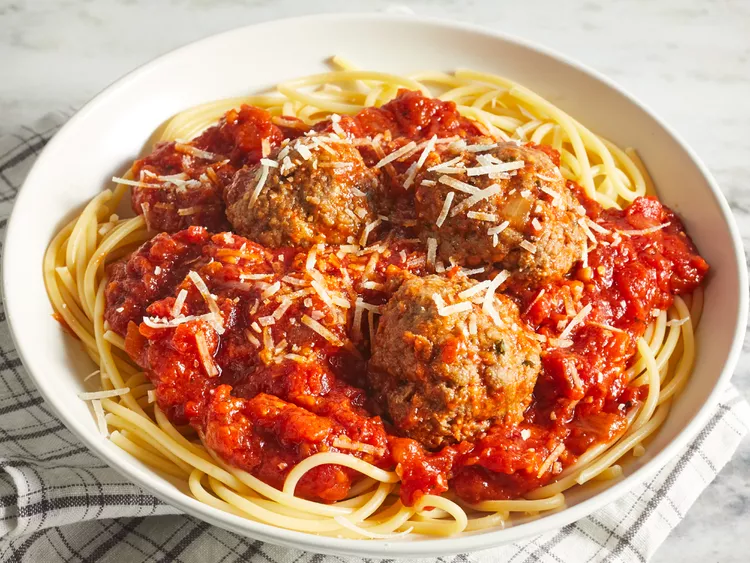
Spaghetti is the most popular pasta in the world. This long, thin pasta comes from Italy and works with many different sauces.
You can make spaghetti in under 30 minutes. It pairs well with tomato sauce, pesto, or cream-based sauces like carbonara.
Italians use spaghetti for one out of every five pasta dishes they make. You can find it in most grocery stores and it stores well in your pantry.
2. Fettuccine
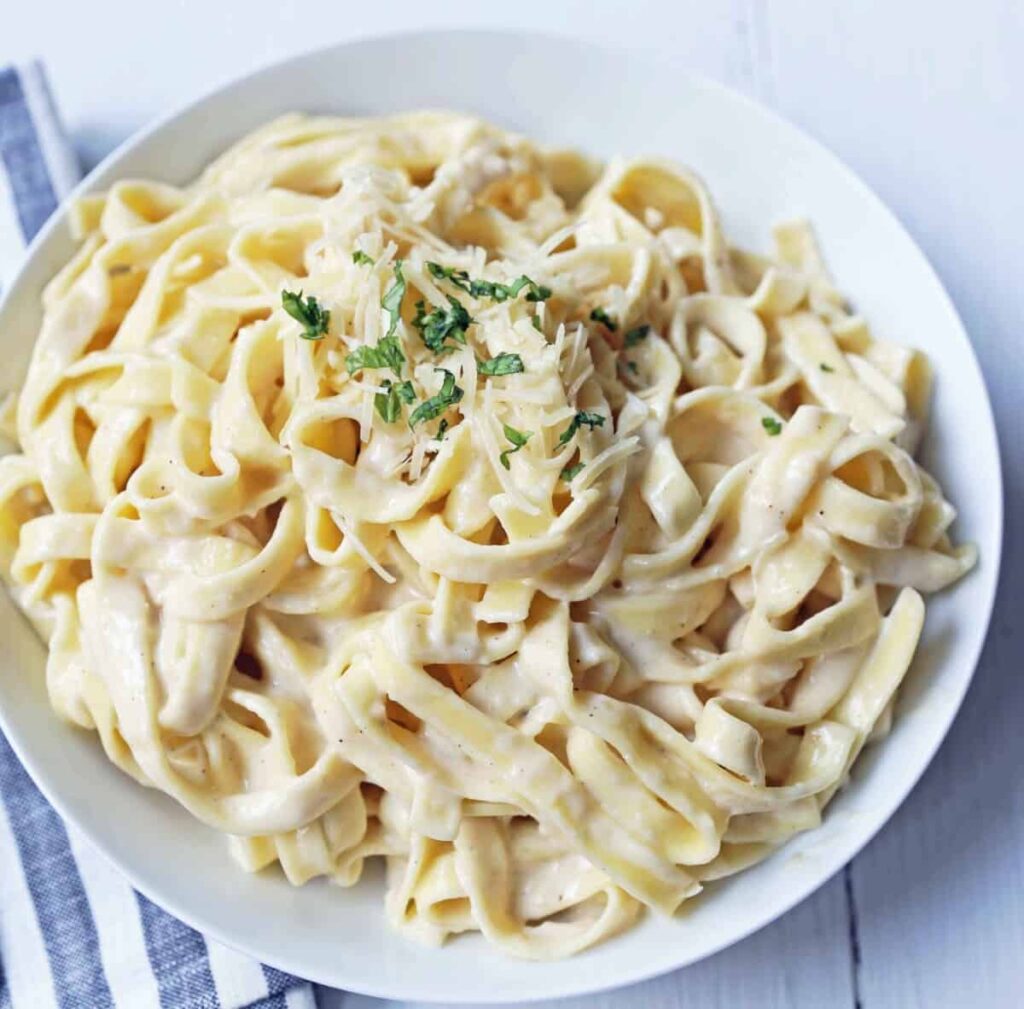
Fettuccine is a flat, thick ribbon pasta from Northern Italy. The noodles are about a quarter-inch wide and have a smooth texture.
This pasta shape works best with rich, creamy sauces. The flat surface helps thick sauces stick well to each noodle.
You can make fettuccine with eggs for extra flavor and color. Fresh fettuccine cooks faster than dried versions.
The most famous dish is Fettuccine Alfredo with butter and cheese sauce.

3. Penne
Penne pasta gets its name from the Italian word for “quill” because of its angled cuts. This tube-shaped pasta is made from wheat flour and cut at diagonal angles.
You can find two main types. Penne rigate has ridges on the outside, while penne lisce has a smooth surface.
The hollow center and ridged texture help sauces stick well. You can use penne with cream sauces, tomato-based sauces, or oil-based dishes.
Popular recipes include penne alla vodka and penne arrabbiata.
4. Rigatoni
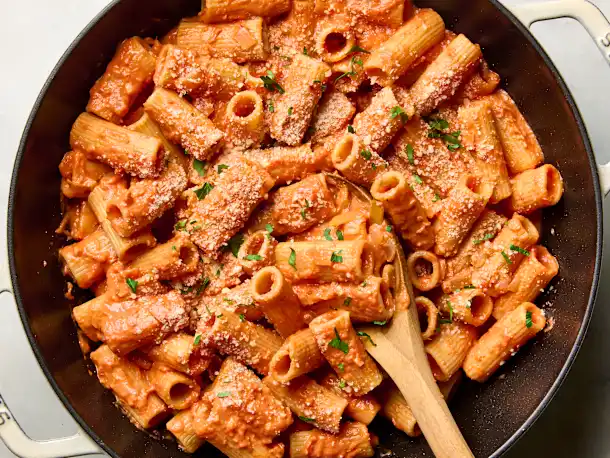
Rigatoni comes from Rome and spread throughout Italy. The name means “ridged” in Italian because of its lined surface.
This tube-shaped pasta is larger than penne and ziti. The ridged sides hold sauce well, making each bite flavorful.
You can use rigatoni for baked dishes and rich sauces. It works great with meat sauces, creamy dishes, and simple tomato-based recipes.
The thick pasta holds up well during cooking and won’t break apart easily.
5. Linguine
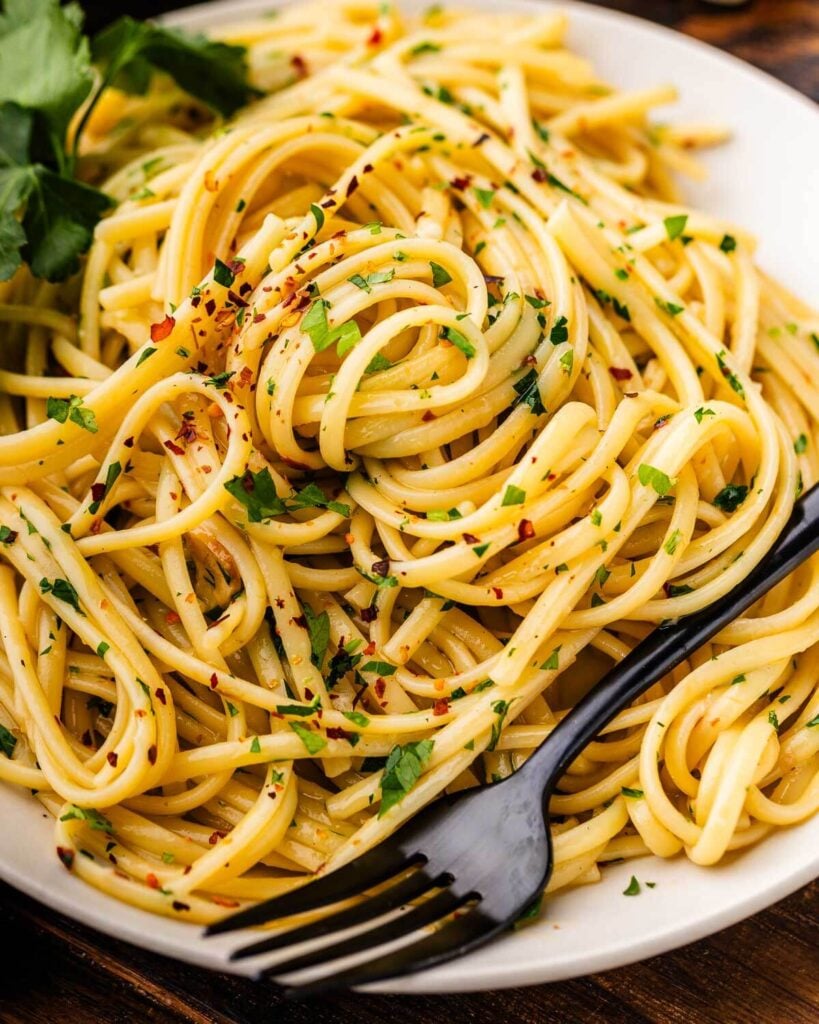
Linguine is a long, flat pasta that feels slightly thicker than spaghetti when you bite it. Its wide surface helps sauces stick well to each strand.
You’ll find linguine works best with seafood dishes like shrimp scampi. It also pairs well with tomato sauces and vegetable dishes.
The pasta’s porous surface grabs onto creamy sauces and light oil-based preparations. You can make most linguine recipes in 30 minutes or less.
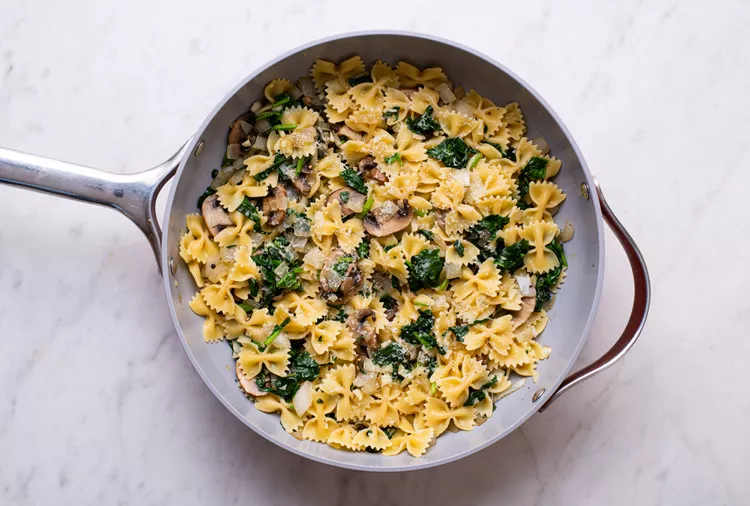
6. Farfalle
Farfalle is known as bow-tie pasta because of its unique butterfly shape. You’ll recognize it by its pinched center and flared edges.
This pasta works well with many different sauces. The shape helps it hold onto cream sauces, tomato sauces, and chunky ingredients.
You can use farfalle in hot dishes like vodka sauce pasta or cold pasta salads. It pairs nicely with vegetables, meat, and seafood.
The wide surface area makes it perfect for catching flavors in every bite.

7. Tagliatelle
Tagliatelle are long, flat ribbon noodles from Italy. They have a wide shape that works well with thick sauces.
You can make tagliatelle with eggs and flour. Fresh pasta tastes better than dried versions for most dishes.
This pasta pairs perfectly with meat sauces like Bolognese. The wide ribbons hold onto chunky ingredients well.
You can also use tagliatelle with cream sauces or simple butter dishes. It cooks quickly and has a tender texture when done right.
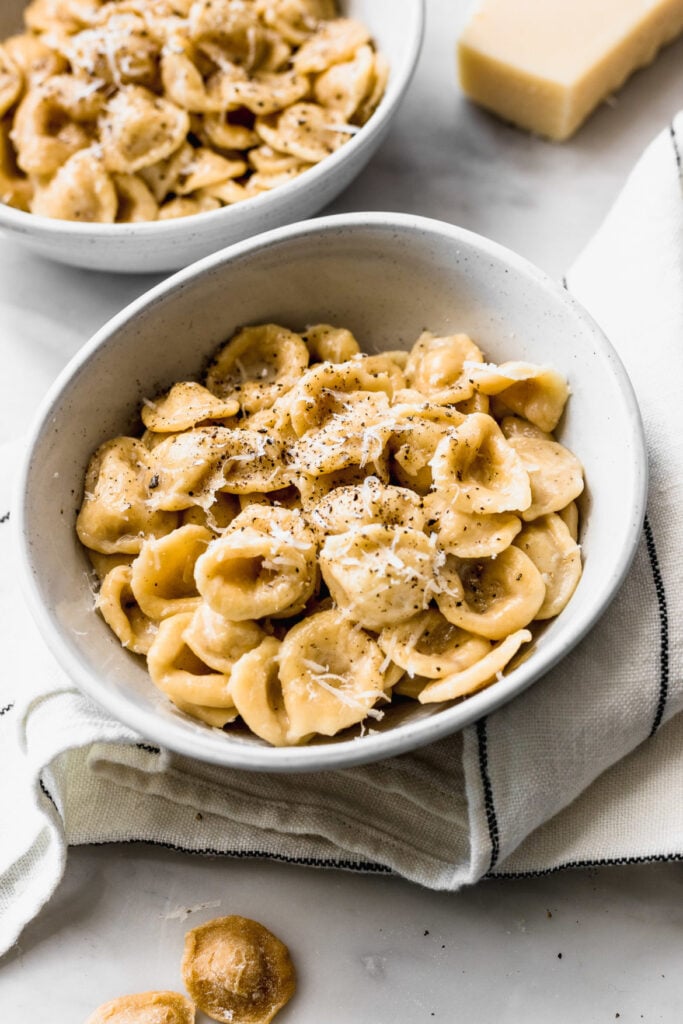
8. Orecchiette
Orecchiette means “little ears” in Italian. This pasta comes from the Puglia region of southern Italy.
The small, round pasta has a cup-like shape. This design helps it hold sauces and ingredients perfectly.
You can make orecchiette by hand using just flour and water. The pasta’s unique shape makes it great for chunky sauces.
Classic recipes pair orecchiette with broccoli rabe and Italian sausage. You can also use it with vegetables, cheese, or seafood for quick weeknight meals.
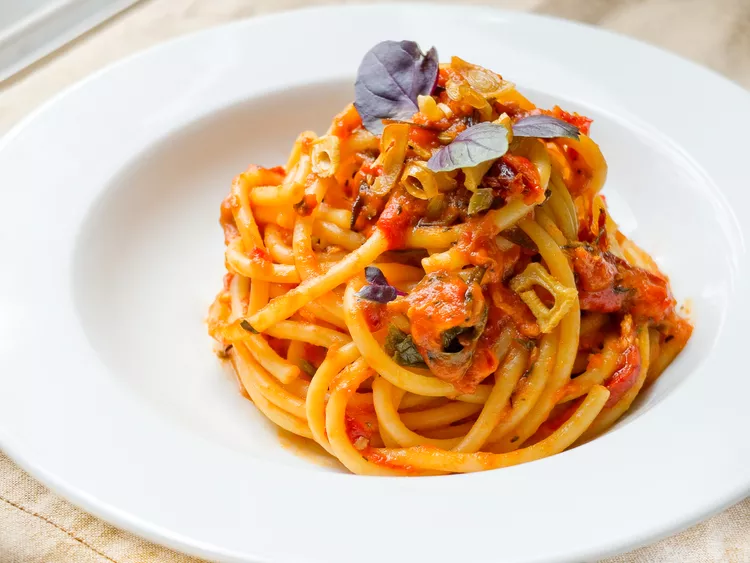
9. Bucatini
Bucatini is thick spaghetti with a hollow center running through each strand. This pasta comes from central Italy and has become popular across the country.
The hollow core makes bucatini perfect for holding sauces. You can pair it with tomato-based sauces, carbonara, or aglio e olio.
Cook bucatini until al dente, then finish it in the pan with your sauce. The chewy texture and unique shape create a satisfying eating experience that works well for weeknight dinners.
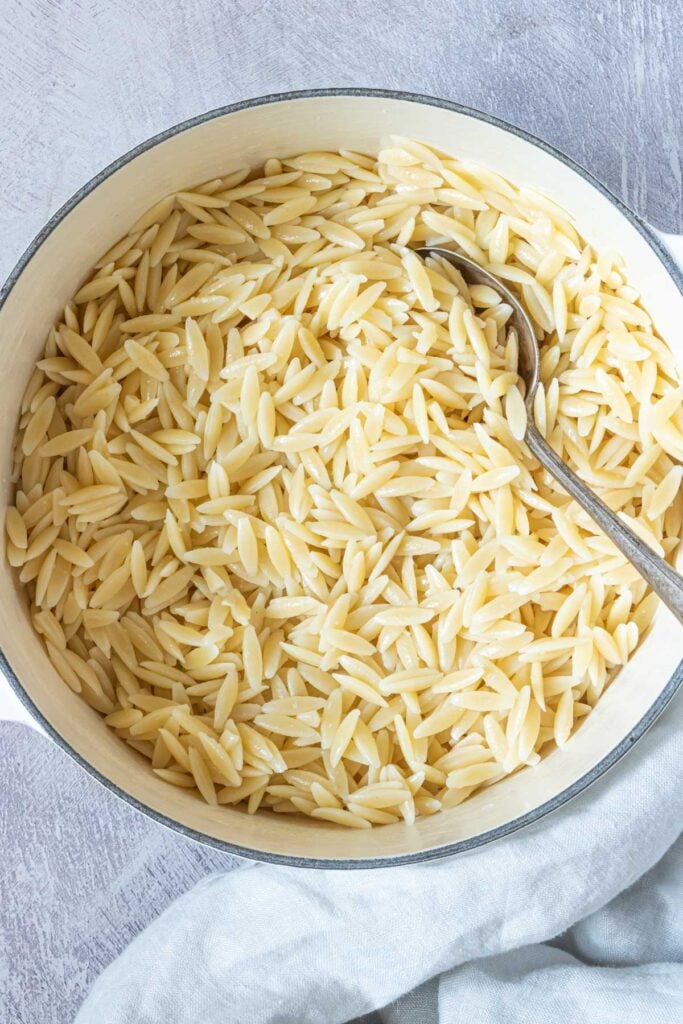
10. Orzo
Orzo is a small pasta that looks like rice grains. This tiny pasta shape comes from Italy and works well in many dishes.
You can use orzo in soups, salads, and main dishes. It cooks quickly and absorbs flavors from other ingredients well.
Try orzo in pasta salads with vegetables and cheese. You can also make orzo soup or baked orzo dishes with chicken and herbs.

11. Tortellini
Tortellini are small ring-shaped pasta from Italy’s Emilia-Romagna region. They feature a thin pasta dough wrapped around cheese, meat, or vegetable fillings.
You can find tortellini stuffed with ricotta, parmesan, prosciutto, or spinach. The pasta rings cook quickly in boiling water.
Try tortellini in creamy alfredo sauce or clear chicken broth. You can also toss them in pasta salads with vegetables and olive oil.
These stuffed pasta rings work well in soups too. Add them to broth with spinach or beans for a filling meal.

12. Cannelloni
Cannelloni are thick pasta tubes made for stuffing with various fillings. These large tubes work perfectly for holding cheese, meat, or vegetables inside.
You can fill cannelloni with ricotta cheese, spinach, ground beef, or chicken. The tubes are then baked under tomato sauce and melted cheese.
This pasta shape is ideal for making ahead. You stuff the tubes, cover with sauce, and bake when ready to serve.

13. Gnocchi
Gnocchi are small, pillow-shaped dumplings made from semolina flour, potatoes, and eggs. These tender pasta pieces originated in Italy and offer comfort food at its finest.
You can make gnocchi from scratch or buy them ready-made. They work well with cream sauces, tomato sauces, and pesto.
Try pan-frying them for a crispy texture or serve them in soup. Gnocchi cook quickly and make an easy dinner option your family will enjoy.

14. Pappardelle
Pappardelle is a wide, flat ribbon pasta from Tuscany. It’s much wider than fettuccine and has a thick, satisfying texture.
This pasta works best with hearty, rich sauces. You’ll often find it paired with meat ragù or game meats like wild boar.
The wide surface area helps the pasta hold onto chunky sauces perfectly. You can also use it with duck, sausage, or creamy sauces.

15. Cavatappi
Cavatappi means “corkscrew” in Italian. This pasta has a twisted, spiral shape that looks like a corkscrew.
The ridged surface and hollow center help sauces stick well. You can use cavatappi with both light and heavy sauces.
This pasta works great in creamy dishes like cacio e pepe or alfredo. It also pairs well with marinara, pesto, and meat sauces.
You can serve cavatappi hot or cold in pasta salads. Its sturdy shape holds up well to mixing with vegetables and proteins.
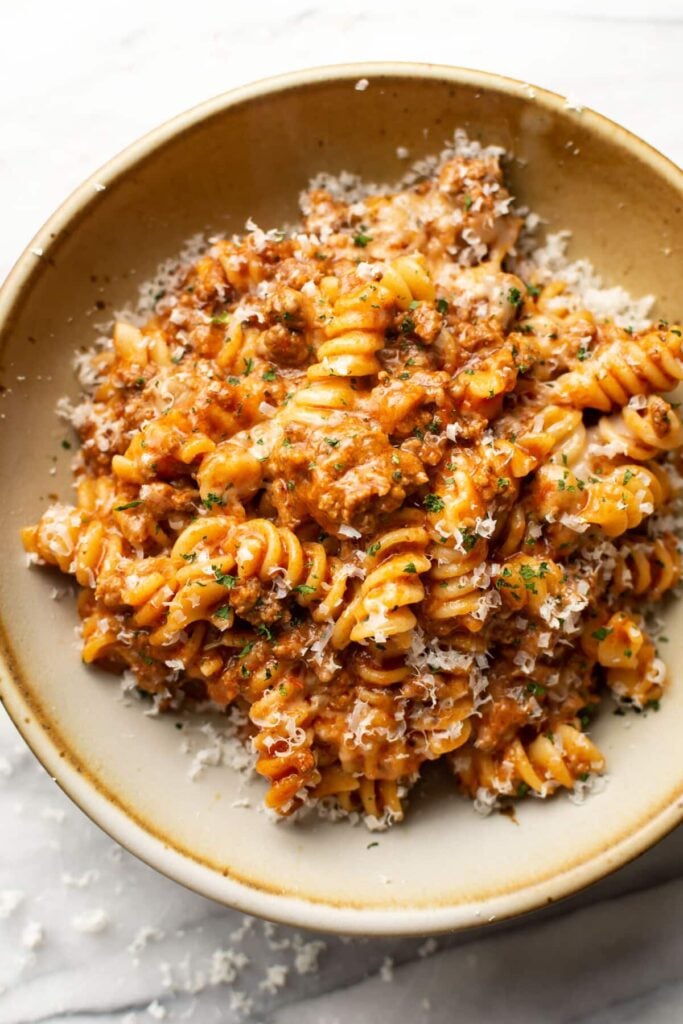
16. Rotini
Rotini is spiral-shaped pasta that looks like a corkscrew. The name comes from an Italian word meaning “small wheels.”
This pasta shape catches sauces really well because of its twisted design. You can use rotini in hot dishes and cold pasta salads.
Rotini works great with chunky sauces, vegetables, and meat. You can make simple dishes like rotini with tomato basil sauce or more complex recipes with roasted vegetables and Italian sausage.

17. Ziti
Ziti is a smooth, tube-shaped pasta made from durum wheat. These noodles are about 10 inches long with a larger diameter than most pasta shapes.
You’ll find ziti works perfectly in baked dishes. The hollow tubes hold sauce and cheese well, making every bite flavorful.
This pasta comes from southern Italy. You can break longer pieces into smaller segments for easier eating and better layering in casseroles.
Ziti pairs beautifully with marinara sauce, mozzarella cheese, and vegetables like zucchini or eggplant.

18. Conchiglie
Conchiglie are shell-shaped pasta that look like small seashells. You might know them as pasta shells.
The curved shape makes them perfect for holding sauces. Creamy sauces, tomato-based sauces, and chunky ingredients all stick well to the shells.
You can find conchiglie in different sizes. Smaller shells work well with light sauces like olive oil and garlic.
Larger shells are great for baked dishes and hearty sauces. Try making stuffed shells with ricotta cheese or a simple pasta salad with conchiglie for your next meal.

19. Radiatori
Radiatori pasta gets its name from the Italian word for “radiators.” The shape looks like small car radiator grills with deep ridges and ruffled edges.
This unique design helps trap sauces in every groove. You’ll get more flavor in each bite compared to smoother pasta shapes.
Radiatori works well with chunky tomato sauces, pesto, and cheese sauces. You can also use it in pasta salads or one-pan dishes with vegetables and meat.

20. Mafalde
Mafalde is a ribbon-shaped pasta with ruffled edges that was named after Princess Mafalda of Savoy. You might also see it called Reginette or Mafalda in stores.
The wide, flat shape with wavy borders makes it perfect for holding sauces. You can find it in two forms: long ribbons or short pieces called lasagnette.
This pasta works well with both creamy and tomato-based sauces. The ruffled edges catch ingredients like herbs, cheese, and vegetables effectively.

21. Gemelli
Gemelli pasta looks like twisted spirals or corkscrews. The name means “twins” in Italian because two pasta strands are twisted together.
This pasta shape holds sauce really well. The twisted design catches and keeps sauce in every bite.
You can use gemelli in many dishes. It works great with pesto, creamy sauces, or simple garlic and oil preparations.
The pasta cooks in about 10-12 minutes. You’ll find it perfect for quick weeknight dinners or pasta salads.
Understanding Italian Pasta Shapes
Each pasta shape serves a specific purpose in Italian cooking, from holding thick meat sauces to pairing with light olive oil. Different regions of Italy created unique shapes based on local ingredients and cooking traditions.
Regional Origins and Traditions
Northern Italy developed flat, ribbon-style pastas like tagliatelle and fettuccine. These shapes work well with rich cream sauces and butter common in colder climates.
Central Italy created tube shapes like penne and rigatoni. The ridges and hollow centers catch chunky vegetable sauces and meat ragù.
Southern Italy focuses on long, thin shapes like spaghetti and linguine. These pair with olive oil-based sauces, seafood, and fresh tomatoes.
Sicily gave us unique shapes like busiate, twisted by hand around thin rods. Puglia created orecchiette, which means “little ears” in Italian.
Each region uses different grains. Northern areas often make egg pasta with soft wheat. Southern regions prefer durum wheat pasta without eggs.
Pasta-Making Techniques
Fresh pasta uses eggs and soft flour. You roll it thin and cut it into shapes like fettuccine or fold it into ravioli.
Fresh pasta cooks quickly in 2-4 minutes. Dried pasta uses only durum wheat and water.
Machines shape dried pasta under high pressure and dry it slowly. This pasta lasts months in your pantry.
Hand-shaped pasta creates unique textures. Orecchiette gets pressed with your thumb. Cavatelli gets rolled with three fingers.
Extruded pasta gets pushed through metal dies to create tubes and complex shapes. Bronze dies create a rough surface that holds sauce better.
Some shapes need special tools. Garganelli requires a wooden comb and dowel. Pici gets hand-rolled into long, uneven strands.
Pairing Pasta Shapes with Sauces
Long, thin pasta like spaghetti and angel hair work with oil-based sauces, light tomato sauces, and seafood. The sauce coats each strand evenly.
Tube shapes like rigatoni and penne hold chunky sauces inside their hollow centers. They work well with meat sauces, vegetables, and baked dishes.
Flat ribbons such as fettuccine and pappardelle pair with cream sauces and meat ragù. The wide surface area holds rich, thick sauces.
Small shapes like ditalini and orzo work in soups and salads. They cook evenly and don’t overpower other ingredients.
Ridged pasta grabs onto sauces better than smooth versions. Choose rigate (ridged) varieties when using thick or chunky sauces.
Match sauce weight to pasta thickness. Heavy sauces need sturdy pasta shapes that won’t break under the weight.
Tips for Cooking and Serving Pasta
Getting pasta texture just right and presenting it well makes the difference between good pasta and great pasta. The right tools and techniques help you create restaurant-quality dishes at home.
Achieving Perfect Al Dente Texture
Al dente means “to the tooth” in Italian. Your pasta should have a slight firmness when you bite it.
Start checking your pasta 1-2 minutes before the package directions say it’s done. Take a piece out with a fork and taste it.
Fill a large pot with at least 4-6 quarts of water for every pound of pasta. This prevents the pasta from sticking together.
Add 1-2 tablespoons of salt once the water boils. The water should taste like seawater.
Don’t add oil to the water. Stir the pasta frequently instead.
Save 1 cup of the starchy cooking liquid before draining. You can add it to your sauce to help it stick better to the pasta.
Essential Tools for Pasta Preparation
The right equipment makes pasta cooking much easier. You don’t need expensive gadgets, just a few basic tools.
Use at least an 8-quart pot for cooking pasta. This gives the pasta room to move around freely.
Long-handled spoons or pasta forks help you stir without burning your hands. Wooden spoons work well too.
Choose a colander with small holes so pasta doesn’t fall through. Place it in your sink before you start cooking.
Tongs are perfect for serving long pasta like spaghetti or linguine. They help you portion and plate neatly.
Warm a large serving bowl with hot water before adding pasta. This keeps your dish hot longer.
Plating and Presentation Suggestions
Good presentation makes pasta look more appetizing. Simple techniques create impressive results.
Warm your plates and bowls. Run them under hot water or put them in a 200°F oven for 2-3 minutes. Dry them completely before plating.
Serve 2-4 ounces of dried pasta per person for appetizers, 4-6 ounces for main dishes.
Twirl long pasta properly. Use a fork and spoon to create neat nests. Place the fork in the pasta and spin it against the spoon.
Add garnishes last. Fresh herbs, grated cheese, or a drizzle of good olive oil should go on right before serving.
Serve immediately. Pasta continues cooking from residual heat, so get it to the table quickly.
Frequently Asked Questions
What are some classic Italian pasta dishes and their traditional recipes?
Spaghetti Carbonara uses eggs, pecorino cheese, pancetta, and black pepper. You cook the pasta until al dente and mix it with the egg mixture off the heat.
Penne all’Arrabbiata combines penne pasta with tomatoes, garlic, red pepper flakes, and olive oil. The sauce should be spicy and bright red in color.
Fettuccine Alfredo requires butter, heavy cream, and Parmigiano-Reggiano cheese. You toss the hot pasta with butter first, then add cream and cheese gradually.
Linguine alle Vongole uses clams, white wine, garlic, and parsley. Cook the clams until they open and discard any that remain closed.
How can I differentiate between various pasta shapes and their culinary uses?
Long thin pasta like spaghetti and linguine work best with oil-based or light tomato sauces. The sauce coats the strands evenly.
Tube shapes like penne and rigatoni hold chunky sauces and ingredients inside their hollow centers. These work well with meat sauces and vegetables.
Flat ribbons like fettuccine pair with creamy sauces that cling to their wide surface. The broad shape supports rich, heavy sauces.
Short pasta shapes are perfect for pasta salads and baked dishes. They maintain their structure when mixed with other ingredients.
What tips can you provide for pairing pasta types with the appropriate sauces?
Match delicate pasta with light sauces and sturdy pasta with heavy sauces. Thin angel hair breaks under thick meat sauces, while thick pappardelle handles them well.
Oil-based sauces work best with long, thin pasta like spaghetti or linguine. The oil coats each strand without pooling at the bottom of the bowl.
Cream sauces need wide, flat pasta like fettuccine to carry the rich sauce properly. The broad surface area holds more sauce in each bite.
Chunky vegetable or meat sauces require pasta with ridges or tubes. Rigatoni and penne trap the pieces inside their shapes.
Can you recommend any vegetarian or vegan Italian pasta recipes?
Spaghetti Aglio e Olio uses garlic, olive oil, red pepper flakes, and parsley. This simple dish is naturally vegan and ready in minutes.
Penne Arrabbiata with tomatoes, garlic, and red peppers creates a spicy vegetarian meal. Add fresh basil at the end for extra flavor.
Linguine with roasted vegetables like zucchini, bell peppers, and eggplant makes a colorful dish. Toss with olive oil and fresh herbs.
Rigatoni with marinara sauce and sautéed mushrooms provides a hearty vegetarian option. Use different mushroom types for varied textures.
What are the secrets to cooking pasta to perfection?
Use one gallon of water for every pound of pasta. Salt the water generously until it tastes like seawater.
Cook pasta for one minute less than the package directions suggest. It will finish cooking when you toss it with the sauce.
Save one cup of pasta water before draining. The starchy water helps bind the sauce to the pasta.
Never rinse pasta after cooking unless making a cold pasta salad. The starch helps sauce stick to the noodles.
Where can I find authentic Italian pasta recipes that are both simple and delicious?
Look for recipes that use few ingredients and focus on quality. Traditional Italian cooking relies on simple combinations of fresh ingredients.
Check cooking websites that specialize in Italian cuisine. Many provide step-by-step photos and cooking tips from Italian chefs.
Italian cookbooks by authors from specific regions offer authentic recipes. Regional specialties use local ingredients and traditional methods.
Ask Italian friends or family members for their family recipes. These passed-down dishes often have the most authentic flavors and techniques.