
Rice noodles are made from rice flour and water. They offer a naturally gluten-free option that works in many different types of dishes.
These noodles come in various sizes, from thin vermicelli to wide flat ribbons. They cook quickly compared to other types of noodles.
You can use rice noodles in soups, stir-fries, salads, and many other meals.
These recipes show you how to make popular dishes from different Asian cuisines, along with practical tips for preparing rice noodles at home. You’ll learn techniques for cooking the noodles correctly and ways to adjust recipes based on what you have available.
The collection includes both traditional dishes and simpler versions that fit busy weeknight schedules.
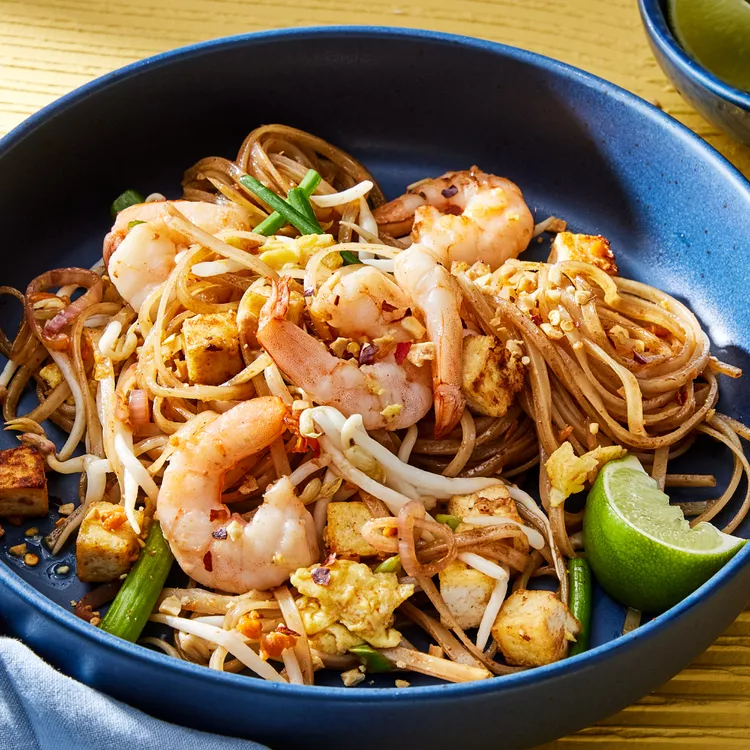
1. Classic Pad Thai with Shrimp
Pad Thai with shrimp brings together rice noodles, tender shrimp, and a balanced sauce in under 30 minutes. The dish combines sweet, salty, and tangy flavors using ingredients like fish sauce, tamarind, and lime juice.
Cook rice noodles until just tender, then toss them with scrambled eggs, bean sprouts, and green onions. Quickly cook the shrimp in a hot pan before adding everything together.
Top your finished dish with crushed peanuts, fresh cilantro, and lime wedges for authentic flavor and texture.

2. Vietnamese Pho Bo Soup
Pho Bo stands out as Vietnam’s most beloved beef noodle soup. You make it with a rich bone broth flavored with star anise, cinnamon, and charred ginger.
The soup combines soft rice noodles with thin slices of beef in a clear, aromatic broth. Top it with fresh herbs like basil, cilantro, and mint, plus bean sprouts and green onions.
Traditional recipes take several hours to develop deep flavors. Use a pressure cooker or quality store-bought broth to speed up the process when time is short.

3. Singapore Stir-fried Noodles
Singapore noodles are a classic Hong Kong dish made with thin rice vermicelli. Stir-fry them with curry powder, which gives the noodles their signature yellow color and aromatic flavor.
The dish typically includes shrimp, pork, and vegetables like bell peppers and onions. Add eggs for extra protein.
Despite the name, this recipe originated in Hong Kong, not Singapore. It remains a popular choice at Chinese restaurants worldwide.
This dish comes together quickly and works well for busy weeknight dinners.

4. Thai Boat Noodles
Thai Boat Noodles, or Kuay Teow Reua, are a rich noodle soup from Thailand’s street food culture. Vendors once sold it from boats along Bangkok’s canals.
The soup features a dark, spiced broth made from pork or beef bones. Each bowl contains tender meat and rice noodles, topped with fresh herbs.
The broth balances sweet, sour, salty, and spicy flavors. Small rice noodles work best for this recipe.

5. Cold Rice Noodle Salad with Herbs
This salad works well when you want a light meal on warm days. Cook the rice noodles and rinse them under cold water to stop them from cooking further.
Fresh herbs make this dish stand out. Add basil, mint, and cilantro for the best flavor.
Toss in vegetables like cucumber, carrots, or cabbage for extra crunch. Keep the noodles and vegetables separate until you’re ready to eat.

6. Spicy Szechuan Rice Noodles
These noodles bring bold heat to your table in just 30 minutes. Coat rice noodles in a sauce made with Szechuan chili paste, soy sauce, and rice vinegar.
Fresh ginger and garlic create the base, while Szechuan peppercorns add a signature numbing kick. Adjust the spice level by changing how many dried chilies you use.
Top your noodles with sesame seeds and green onions. This recipe satisfies when you want something spicy.

7. Beef and Broccoli Rice Noodle Stir-fry
This dish brings together tender beef, crisp broccoli, and soft rice noodles in a savory sauce. Make it in about 25 to 30 minutes, making it good for busy weeknights.
The rice noodles soak up the sauce while the beef stays tender and the broccoli adds a nice crunch. You get a complete meal in one pan.
The sauce typically includes soy sauce, ginger, and garlic for flavor. Add sesame seeds or green onions on top for extra taste.

8. Chicken Coconut Curry Rice Noodles
This dish brings together creamy coconut milk and bold curry flavors in one simple meal. Cook tender chicken with rice noodles in a rich sauce that takes about 30 minutes to make.
The coconut milk adds a smooth texture while curry paste gives it a warm, spicy kick. Add vegetables like broccoli or carrots to make it more filling.
Rice noodles soak up the curry sauce. This meal delivers good protein from the chicken and tastes like something you’d order at a restaurant.

9. Vegetarian Peanut Sauce Rice Noodles
Prepare this dish in just 10 to 15 minutes, making it perfect for busy weeknights. Toss tender rice noodles with a creamy peanut sauce that brings sweet, savory, and tangy flavors to your bowl.
The recipe works well with fresh vegetables like carrots, bell peppers, and broccoli. Use simple ingredients from your pantry, including peanut butter, soy sauce, and garlic.
This meal is naturally vegan and gluten-free. Prepare it ahead of time or make it for meal prep throughout the week.

10. Rice Noodle Soup with Pork Meatballs
This Asian-style soup brings savory pork meatballs together with soft rice noodles in a rich broth. Make it in about 40 minutes, which makes it perfect for busy weeknights.
The meatballs get their flavor from garlic, fish sauce, and ground pepper. Simmer them in chicken or pork broth until they’re cooked through.
Add your rice noodles near the end so they don’t get mushy. Top the soup with fresh cilantro, lime juice, and chili sauce if you want some heat.
Tips for Cooking Perfect Rice Noodles
Rice noodles need careful attention during cooking to avoid mushiness and clumping. Choose the right thickness, handle them properly, and rinse them correctly to achieve perfectly cooked strands.
Selecting the Right Noodle Thickness
Different rice noodle widths work better for specific dishes. Thin vermicelli noodles (1-2mm wide) cook in just 3-5 minutes of soaking and suit light soups and spring rolls.
Medium-width noodles (3-5mm) handle stir-fries well and need 7-10 minutes to soften. Wide flat noodles (6-10mm or more) provide a chewy texture for pad thai and hearty noodle bowls.
These thicker varieties require 10-15 minutes of soaking or brief boiling. Match your noodle thickness to your cooking method.
Delicate dishes with lots of liquid benefit from thin noodles that won’t overpower other ingredients. Stir-fries and robust sauces call for thicker noodles that hold their shape during tossing and high-heat cooking.
Preventing Sticking and Clumping
Soak most dried rice noodles in hot water instead of boiling them. This gentle method gives you better control and prevents the noodles from turning mushy.
Use enough water to fully submerge the noodles with room to expand. Stir the noodles once or twice during soaking to separate the strands.
Don’t leave them in the water too long. Check for doneness after the minimum recommended time.
If you plan to stir-fry your noodles, undercook them slightly during soaking. Finish cooking them in the pan.
Toss the drained noodles with a small amount of oil to keep them from sticking together before adding them to your dish.
Proper Rinsing and Draining Techniques
Rinse soaked rice noodles under cold water immediately after draining. This stops the cooking process and removes excess starch that causes clumping.
Use your hands to gently separate the strands while rinsing. Drain the noodles thoroughly in a colander.
Shake off excess water but don’t squeeze or press the noodles, which can break them apart. For cold noodle salads, rinse with cold water until the noodles feel cool to the touch.
For hot dishes, a quick rinse is enough before adding the noodles to your soup or stir-fry. Pat the noodles gently with a clean kitchen towel if they seem too wet for stir-frying.
Customizing Rice Noodle Dishes at Home
Rice noodles work as a blank canvas that takes on whatever flavors you add to them. Adjust vegetables, proteins, and sauces to match your taste preferences and what you have in your kitchen.
Incorporating Fresh Vegetables
Fresh vegetables add color, crunch, and nutrients to rice noodle dishes. Bell peppers, snap peas, and carrots cook quickly and maintain their texture.
Slice them thin for faster cooking or cut them into larger pieces for more bite. Leafy greens like bok choy, spinach, and cabbage wilt down in just a minute or two.
Add them at the end of cooking so they don’t become mushy. Bean sprouts give a crisp, fresh finish when tossed in right before serving.
Mushrooms bring an earthy flavor that pairs well with Asian-style sauces. Shiitake, oyster, and white button mushrooms all work.
Zucchini and broccoli are also good choices, but they need a few extra minutes to soften. Use frozen vegetables when fresh ones aren’t available.
Add them straight to the pan without thawing.
Protein Pairing Ideas
Animal proteins cook quickly with rice noodles. Chicken breast cut into thin strips takes about 5-7 minutes.
Shrimp cooks in just 2-3 minutes and turns pink when done. Beef works best when sliced thin against the grain and cooked over high heat.
Pork tenderloin or ground pork adds richness to noodle dishes. Eggs are the fastest protein option.
Scramble them separately or push your noodles aside and cook them right in the same pan.
Plant-based proteins include tofu, which you should press and cube before pan-frying until golden. Tempeh has a firmer texture and nutty taste.
Edamame and chickpeas add protein without needing much prep work.
Balancing Flavors with Sauces and Seasonings
Start with a base sauce that combines soy sauce or tamari with a liquid like broth or water. This creates the foundation for your dish.
Add fish sauce for depth or coconut milk for creaminess. Sweetness comes from brown sugar, honey, or maple syrup.
Use 1-2 teaspoons to balance salty and sour flavors. Acid brightens everything up.
Lime juice, rice vinegar, or tamarind paste each bring different tangy notes. Control heat levels with sriracha, chili garlic sauce, or red pepper flakes.
Start with a small amount and add more as needed.
Key aromatics include:
- Fresh garlic (minced)
- Ginger (grated)
- Green onions (sliced)
- Fresh herbs like cilantro, basil, or mint
Add sesame oil at the end for a nutty aroma. Peanut butter or tahini creates creamy, rich sauces when mixed with warm water.
Frequently Asked Questions
Rice noodles cook quickly and work with many flavors. Questions often come up about preparation methods, ingredient combinations, and avoiding common cooking errors.
How do you make a simple rice noodle dish?
Soak dried rice noodles in hot water for 5-10 minutes until they soften. Drain them well before cooking.
Heat oil in a pan or wok over high heat. Add your choice of protein like shrimp or chicken and cook until done.
Toss in vegetables such as bean sprouts, peppers, or green onions. Add the softened noodles and stir everything together with soy sauce or fish sauce.
The entire cooking process takes less than 15 minutes from start to finish.
What ingredients pair well with rice noodles for a healthy meal?
Fresh vegetables add nutrition and color to rice noodle dishes. Carrots, bell peppers, snap peas, and broccoli provide vitamins and crunch.
Lean proteins like chicken breast, shrimp, tofu, or eggs give you the protein you need. Fresh herbs including cilantro, Thai basil, and mint add bright flavors without extra calories.
Lime juice, garlic, and ginger create tasty seasonings that don’t require heavy sauces. Add bean sprouts and leafy greens like spinach or bok choy for more nutrients.
Can you suggest a vegetarian rice noodle recipe?
A cold rice noodle salad works perfectly for vegetarian meals. Cook rice noodles according to package directions and rinse them with cold water.
Mix the noodles with shredded carrots, cucumber, fresh mint, and cilantro. Add crushed peanuts for protein and texture.
Make a simple dressing with lime juice, soy sauce, a small amount of sugar, and chili flakes. Pour it over the noodles and toss everything together.
Add crispy tofu for extra protein.
What are some flavorful sauce options for rice noodle recipes?
A basic stir-fry sauce combines soy sauce, oyster sauce, and a touch of sugar. This works for most quick noodle dishes.
For Thai-style flavors, mix fish sauce, lime juice, tamarind paste, and palm sugar. These ingredients create the tangy-sweet taste found in pad thai.
Make peanut sauce from peanut butter, soy sauce, lime juice, and a bit of water. This adds a rich, nutty flavor.
For Vietnamese dishes, use a mixture of fish sauce, lime juice, sugar, and garlic. Hoisin sauce mixed with sriracha gives you sweet heat that pairs well with beef or pork.
How can I prepare rice noodles for weight loss focused dishes?
Measure out 2 ounces of dried rice noodles per serving. This gives you about one cup of cooked noodles.
Load up on vegetables to make the dish more filling without adding many calories. Aim for at least two cups of vegetables per serving.
Choose lean proteins like chicken breast, shrimp, or tofu instead of fattier meats. Use minimal oil when cooking.
Opt for lighter sauces based on lime juice, vinegar, or broth rather than heavy, oil-based options. Skip fried toppings and use fresh herbs for flavor.
What should I avoid when cooking rice noodles to prevent common mistakes?
Don’t overcook rice noodles or they will become mushy and fall apart. Check them frequently while soaking and remove them when they’re still slightly firm.
Never rinse rice noodles with hot water after cooking unless your recipe specifically says to. Rinse them with cold water to stop the cooking process and prevent sticking.
Avoid using too much oil in your pan, which makes the noodles greasy. Don’t crowd the pan when stir-frying or the noodles will steam instead of getting the right texture.
Skip adding noodles directly to boiling water like you would with pasta. This makes them gummy.