
Hummus is a smooth and creamy dip made from chickpeas that works well for snacks, meals, and parties. It has a mild, nutty taste that goes with many different foods.
People around the world enjoy this healthy spread with various sides. You can choose from crispy breads, fresh vegetables, savory fritters, and flavorful salads.
Each option brings its own texture and taste to complement the creamy hummus. This guide covers classic choices and creative ideas for what to serve alongside your hummus.
You will learn about traditional options and new pairings that work well together. The article also explains why certain foods pair better with hummus and what nutritional benefits these combinations offer.
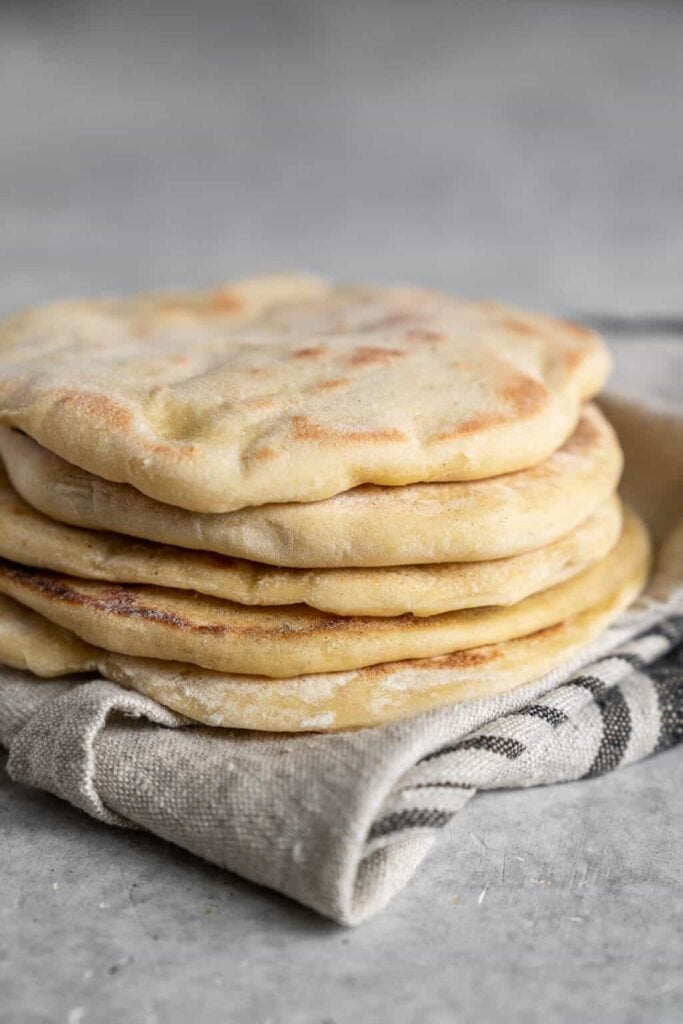
1. Pita Bread
Pita bread is the most classic pairing for hummus. Its soft, chewy texture makes it perfect for scooping up the creamy dip.
You can serve pita bread warm or toasted. Warming it in the oven makes it soft and easy to tear.
Toasting adds a satisfying crunch that contrasts nicely with smooth hummus. Cut your pita into triangles or wedges for easy dipping.
You can also stuff pita pockets with hummus and fresh vegetables for a quick, filling snack.

2. Cucumber Sticks
Cucumber sticks offer a crisp, refreshing way to enjoy hummus. Their mild flavor won’t overpower the dip, and their crunch creates a nice contrast with hummus’s creamy texture.
You can prepare them in under 10 minutes by simply slicing cucumbers into stick shapes. For added flavor, lightly sprinkle salt and pepper on your cucumber slices before dipping.
This combination works well as a quick snack, appetizer, or light side dish. It’s also a healthy option that provides vitamins while keeping calories low.

3. Carrot Batons
Carrot batons are thick-cut carrot sticks that work perfectly with hummus. Their crunchy texture pairs well with the smooth, creamy dip.
You can cut carrots into batons by slicing them lengthwise into thick strips. This shape makes them easy to hold and dip.
The natural sweetness of carrots balances the savory taste of hummus. Raw carrot batons stay crisp and fresh when stored properly.
You can prepare them ahead of time for quick snacks throughout the week.

4. Zucchini Fritters
Zucchini fritters make a great pairing with hummus. These golden, crispy bites are made from grated zucchini, flour, and eggs.
You can fry or bake them to get a crunchy outside. The creamy texture of hummus works well with the crispy fritters.
When you dip a warm fritter into smooth hummus, you get a nice mix of textures. The mild flavor of zucchini doesn’t overpower the hummus, so both foods shine through.

5. Corn Fritters
Corn fritters make a tasty pairing with hummus. These crispy, golden-brown bites offer a sweet corn flavor that balances the creamy, savory taste of hummus.
You can serve them warm alongside your hummus for dipping. The crunchy exterior and soft interior create a nice texture contrast with the smooth dip.
Corn fritters work well as an appetizer or light meal when paired with hummus. They’re filling enough to satisfy your hunger while complementing the chickpea spread’s earthy flavors.

6. Seed Crackers
Seed crackers bring a satisfying crunch to your hummus dip. They often contain sesame seeds, flax seeds, or sunflower seeds that add a nutty flavor.
These crackers are sturdy enough to scoop up hummus without breaking. The seeds provide extra protein and healthy fats to your snack.
You can find seed crackers at most grocery stores. They pair well with all types of hummus, from classic to flavored varieties.

7. Stuffed Gözleme
Gözleme is a Turkish flatbread that makes an excellent pairing with hummus. The stuffed version comes filled with cheese, spinach, or ground meat.
You can tear off pieces of the warm flatbread and use them to scoop up hummus. The crispy outer layer and soft interior create a nice contrast with the creamy dip.
Try serving gözleme cut into strips alongside a bowl of hummus for easy dipping. This combination works well for parties or casual meals.

8. Veggie Tray
A veggie tray is one of the easiest and healthiest ways to enjoy hummus. You can arrange colorful vegetables like carrot sticks, bell peppers, and cherry tomatoes around your hummus bowl.
Cucumber slices, celery sticks, and broccoli florets also work well. The fresh, crunchy texture of raw vegetables pairs perfectly with smooth, creamy hummus.
You can prepare your veggie tray in minutes and customize it with whatever vegetables you have on hand.

9. Hearty Greek Salad
Greek salad brings fresh vegetables and bold flavors that work well with hummus. The crisp cucumbers, juicy tomatoes, and salty olives balance the creamy texture of hummus.
You can serve them together on a platter or layer the salad ingredients directly on top of your hummus. The tangy feta cheese and red onions add extra flavor that complements hummus nicely.

10. Olive Tapenade
Olive tapenade creates an interesting flavor pairing when served alongside hummus. The briny, salty taste of chopped olives contrasts nicely with hummus’s mild, creamy texture.
You can serve both dips on the same platter for variety. Try spreading hummus on a plate first, then top it with a spoonful of tapenade for a layered presentation.
This combination works well with pita bread, crackers, or fresh vegetables. Both are Mediterranean dips that complement each other while offering different taste experiences.
Pairing Principles for Hummus
The best hummus pairings balance creamy smoothness with contrasting textures and complement its nutty, tangy flavor profile. Different dietary needs also play a key role in choosing the right accompaniments.
Balancing Flavors and Textures
Hummus has a smooth, creamy texture that works best when paired with foods that offer crunch or bite. Crispy vegetables like carrots, bell peppers, and cucumbers provide the contrast you need.
Pita chips, crackers, and toasted bread add another layer of satisfying crunch. The flavor of hummus is mild, nutty, and slightly tangy from lemon juice and tahini.
You should choose pairings that either complement these flavors or add gentle contrast. Fresh vegetables bring natural sweetness that balances the savory notes.
Warm pita bread enhances the earthy chickpea flavor without competing with it. Avoid pairing hummus with foods that are overly sweet or heavily seasoned, as these can overpower its subtle taste.
Instead, stick with ingredients that have clean, simple flavors. This approach lets you enjoy both the hummus and its accompaniment without one dominating the other.
Considering Dietary Preferences
Hummus naturally fits many dietary needs since it’s plant-based and made from chickpeas, tahini, olive oil, and lemon juice. You can serve it to vegetarian and vegan guests without any modifications.
It’s also dairy-free and works well for those avoiding lactose. For gluten-free diets, skip the pita bread and offer vegetables, rice crackers, or certified gluten-free chips instead.
Raw vegetables like snap peas, cherry tomatoes, and celery sticks are always safe options. These choices also work for guests following low-carb or keto diets when portion sizes are considered.
If you serve people who need high-protein options, pair hummus with hard-boiled eggs, grilled chicken, or falafel. The chickpeas in hummus already provide protein, but these additions create a more filling plate.
Nutritional Benefits of Common Hummus Accompaniments
Pairing hummus with the right foods boosts your intake of protein, fiber, vitamins, and minerals. The best accompaniments add nutritional value while complementing hummus’s creamy texture.
Protein and Fiber Content
Hummus itself provides about 2 grams of protein per 2-tablespoon serving. When you pair it with whole grain pita bread, you add another 5-6 grams of protein and 3-4 grams of fiber per piece.
Raw vegetables like carrots and celery offer 1-2 grams of fiber per cup. Bell peppers give you about 2 grams of fiber along with minimal calories.
These vegetable options help you reach the recommended 25-35 grams of daily fiber. Whole wheat crackers contribute 2-3 grams of fiber and 3-4 grams of protein per serving.
Falafel paired with hummus creates a complete protein meal with 8-10 grams of protein per serving. This combination gives you all nine essential amino acids your body needs.
Vitamin and Mineral Highlights
Carrots dipped in hummus deliver over 200% of your daily vitamin A needs per cup. This vitamin supports eye health and immune function.
Bell peppers provide 150-200% of your daily vitamin C in just one medium pepper. Cucumbers offer B vitamins and potassium, giving you about 150 milligrams of potassium per cup.
Cherry tomatoes add lycopene and vitamin C to your snack. Broccoli florets contribute vitamin K, folate, and calcium.
Whole grain pita brings B vitamins, iron, and magnesium to your plate. You get about 1-2 milligrams of iron per serving.
The tahini in hummus adds calcium and healthy fats that help your body absorb fat-soluble vitamins from vegetables.
Frequently Asked Questions
Hummus works well for many different meals throughout the day. You can pair it with vegetables, whole grains, and lean proteins to create balanced options for breakfast, lunch, or dinner.
What are healthy snack options to pair with hummus?
Cucumber sticks and carrot batons are excellent healthy snack choices with hummus. These vegetables provide fiber and vitamins while keeping calories low.
Bell peppers, snap peas, and radishes also work well. You can prepare these vegetables in advance and store them in your refrigerator for quick snacking throughout the week.
What are some low-calorie foods to enjoy with hummus for weight-loss goals?
Raw vegetables like cucumber, carrots, and bell peppers offer the lowest calorie options. A serving of these vegetables with two tablespoons of hummus creates a filling snack under 150 calories.
Cherry tomatoes and celery sticks provide additional low-calorie choices. Cauliflower and broccoli florets also pair well with hummus while keeping your calorie intake minimal.
What Mediterranean Diet-friendly items can be served alongside hummus?
Pita bread is a traditional Mediterranean choice that pairs naturally with hummus. Whole wheat pita provides more fiber and nutrients than white varieties.
Fresh vegetables like cucumber and tomatoes fit the Mediterranean eating pattern. Olives, feta cheese, and whole grain crackers complement hummus while following Mediterranean Diet principles.
What are suitable hummus accompaniments for a fulfilling breakfast?
Whole grain toast with hummus creates a protein-rich breakfast base. You can add sliced tomatoes, cucumbers, or a soft-boiled egg on top for extra nutrition.
Pita bread works well for breakfast wraps with hummus, scrambled eggs, and vegetables. This combination provides protein, healthy fats, and complex carbohydrates to start your day.
Which side dishes complement hummus well for a dinner setting?
Zucchini fritters and corn fritters make satisfying dinner sides with hummus. These warm, crispy options provide a more substantial meal than raw vegetables alone.
Grilled vegetables like eggplant, bell peppers, and zucchini pair well with hummus for dinner. You can also serve hummus alongside rice bowls, quinoa salads, or roasted chicken for a complete meal.
What are some nutritious lunch pairings with hummus?
A veggie wrap with hummus, cucumber, carrots, and lettuce creates a balanced lunch. Use whole wheat tortillas or pita bread as your base.
Combine hummus with quinoa or rice, roasted vegetables, and greens for a filling lunch. Add chickpeas or grilled chicken to increase the protein content.