
Soup makes a perfect meal when you want something warm, filling, and good for your health. These recipes combine fresh vegetables, lean proteins, and flavorful seasonings to create nutritious meals that satisfy your hunger without extra calories, sodium, or unhealthy fats.
You can enjoy these soups any time of year, whether you need a quick weeknight dinner or want to prep meals ahead of time. This collection includes a variety of soup styles from different cuisines.
You’ll find classic comfort foods alongside international flavors. Creamy options sit next to light broths, and vegetarian choices appear with protein-rich recipes.
Each soup gives you important nutrients while keeping you full and satisfied.
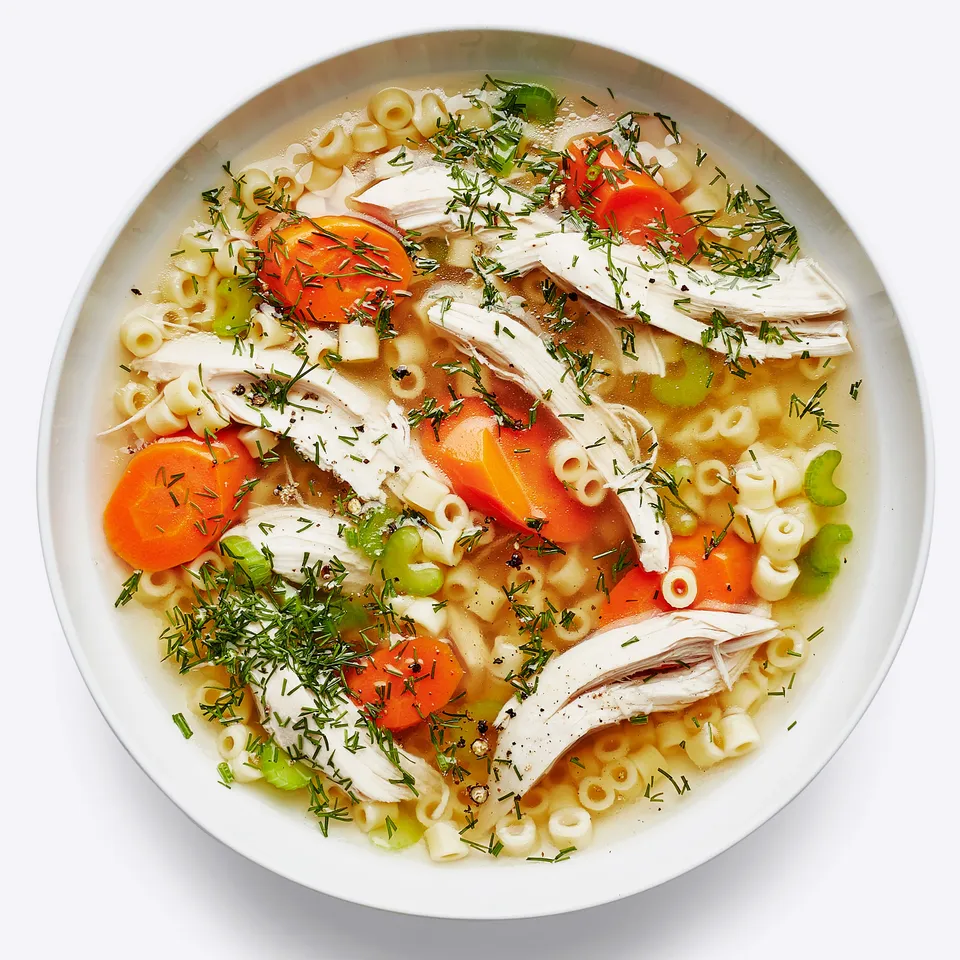
1. Classic Chicken Noodle Soup
Chicken noodle soup remains a top choice when you want something warm and healthy. Make it with bone-in chicken pieces, fresh vegetables like carrots and celery, and egg noodles in a flavorful broth.
Prepare the soup in about 30 minutes. Use low-sodium chicken broth and whole-wheat noodles for a healthier option.
Make a large batch for meal prep. Store the soup in your fridge for quick lunches throughout the week.

2. Hearty Lentil and Vegetable Soup
This soup combines protein-rich lentils with fresh vegetables in a simple one-pot meal. Have it ready in about 45 minutes to an hour.
Include carrots, celery, onions, and leafy greens like spinach or kale. Some versions add potatoes or tomatoes for extra flavor and texture.
Lentils provide protein and fiber, making this soup filling enough for dinner. Adjust the vegetables based on what you have available.
Season with cumin, herbs, and a splash of vinegar to brighten the flavors.

3. Creamy Butternut Squash Soup
Butternut squash soup brings warmth and comfort to your table without weighing you down. The natural sweetness of roasted squash creates a rich, smooth texture that feels indulgent but stays light.
Make this soup in under an hour with basic ingredients. The squash provides vitamins and fiber while keeping calories low.
Roasting brings out deeper flavors in each spoonful. This soup freezes beautifully, so enjoy it throughout the week or save portions for later.

4. Spicy Black Bean Soup
Black bean soup combines protein and fiber in one satisfying bowl. Make this meal with canned beans and basic pantry items in about 30 minutes.
Add heat with jalapeños, green chiles, or your preferred spice level. Smoky paprika and cumin give depth without extra calories.
This soup keeps for three days in your fridge. Add water when reheating, as the beans thicken the soup as it sits.

5. Moroccan Chickpea and Tomato Soup
This soup brings warm North African spices to your table in under 30 minutes. Combine chickpeas and tomatoes with aromatic spices for a protein-packed meal.
Use simple ingredients you likely have in your pantry. Chickpeas provide fiber and plant-based protein, while tomatoes add tangy brightness.
Serve over couscous or quinoa for a more filling dinner. It’s naturally vegan and gluten-free.

6. Thai Coconut Curry Soup
Thai Coconut Curry Soup brings bold flavors to your table in about 25 minutes. Enjoy a creamy coconut milk base mixed with curry paste and fresh vegetables.
Add chicken, shrimp, or tofu for protein. Make it vegan by skipping animal products.
The soup balances sweet, sour, salty, and spicy tastes. Lemongrass, lime juice, and fish sauce create authentic Thai flavor.

7. Roasted Cauliflower and Garlic Soup
This soup delivers rich flavor with minimal ingredients. Roast cauliflower and a whole head of garlic until they’re golden and caramelized.
Blended cauliflower creates a creamy texture without heavy cream. Simmer the roasted vegetables in broth, then blend everything until smooth.
The garlic adds warmth without being overpowering. Prepare this recipe easily for weeknight dinners, and enjoy its naturally low carb content.

8. Turkey and White Bean Soup
Combine lean turkey with creamy white beans for a protein-rich meal. Use leftover turkey or ground turkey to fit what’s on hand.
Beans add fiber and make the soup filling without extra calories. Many recipes include greens like spinach or kale for added nutrients.
Have this soup ready in about 30 minutes on the stovetop. Add lemon juice and herbs to brighten the flavors.

9. Minestrone with Seasonal Vegetables
Minestrone adapts perfectly to whatever vegetables are fresh right now. Load it with winter roots and kale, spring peas and asparagus, or summer zucchini and tomatoes.
The base stays simple with beans for protein, small pasta, and a tomato broth with Italian herbs. Each serving gives you around 15 grams of protein and plenty of fiber.
Make this soup in about 35 minutes. It works great for meal prep and freezes well.

10. Sweet Potato and Carrot Soup
Combine two nutrient-rich root vegetables into one simple dish. Make it in about 30 minutes with basic ingredients.
Sweet potatoes and carrots create a balanced flavor with natural sweetness. Add spices like cumin or coriander for more depth.
Chop your vegetables up to 24 hours ahead and store them in the fridge. This soup is vegan and gluten-free when made with vegetable broth.
Nutritional Benefits of Healthy Soups
Soups provide essential nutrients that support your body’s daily functions while keeping calories in check. They deliver concentrated vitamins and minerals and help with weight management.
Essential Vitamins and Minerals
Vegetable-based soups pack significant amounts of vitamin A, vitamin C, and potassium. Leafy greens like spinach and kale add iron and calcium to your bowl.
Carrots and sweet potatoes provide beta-carotene, which your body converts to vitamin A for healthy vision and skin. Bone broths contribute minerals like calcium, magnesium, and phosphorus, which support bone health and muscle function.
Legume soups offer folate and B vitamins that help your body produce energy and maintain healthy cells. Tomato-based soups deliver lycopene, an antioxidant linked to heart health.
Eating a variety of soup ingredients increases your intake of different nutrients. Each vegetable color represents different vitamins and minerals your body needs.
Low-Calorie Options for Wellness
Broth-based soups typically contain 100-200 calories per serving. The high water content helps you feel satisfied while consuming fewer calories than solid meals.
Clear vegetable soups and chicken noodle varieties stay under 150 calories per cup. Pureed vegetable soups offer creamy texture without heavy cream, keeping calories low while providing fiber.
Soups with lean proteins like chicken breast or white fish add only 50-100 extra calories per serving. These proteins help you stay full longer between meals.
Immune-Boosting Ingredients
Garlic and onions contain compounds that support your immune system’s response to illness. Chicken soup provides cysteine, an amino acid that helps thin mucus and reduce inflammation.
Ginger adds anti-inflammatory properties that may help fight infections. Mushrooms offer selenium and vitamin D, both important for immune function.
Hot peppers contain capsaicin, which can clear congestion and provide vitamin C. Turmeric brings curcumin, a powerful anti-inflammatory compound.
Zinc-rich ingredients like beans and lean meats help your immune cells function properly. Citrus-based soups or those with tomatoes boost your vitamin C intake.
Tips for Preparing and Storing Healthy Soups
Making soup in large batches saves time and money. The right ingredients and smart flavor-building techniques help you create soups that are both healthy and satisfying.
Batch Cooking and Freezing Practices
Cook soups in large portions to save time during busy weeks. Most soups freeze well for up to three months when stored properly.
Let your soup cool completely before freezing. This prevents ice crystals from forming and keeps the texture better.
Pour cooled soup into freezer-safe containers, leaving about one inch of space at the top for expansion. Best containers for freezing:
- Heavy-duty freezer bags (lay flat to save space)
- Glass containers with tight-fitting lids
- Plastic freezer containers labeled BPA-free
- Individual portion sizes for quick meals
Label each container with the soup name and date. Freeze soups without dairy or pasta when possible, as these ingredients can change texture when frozen.
Add fresh dairy, noodles, or rice when you reheat the soup. Thaw frozen soup in the refrigerator overnight for food safety.
You can also reheat soup directly from frozen on the stovetop over medium-low heat, stirring often.
Choosing the Right Ingredients
Start with fresh or frozen vegetables instead of canned options when you can. Fresh vegetables give you more control over sodium levels and often have better texture.
Pick lean proteins like chicken breast, turkey, beans, or lentils. Beans and lentils also provide fiber that keeps you full longer.
Use low-sodium or no-salt-added broths as your base. Regular broths can contain 700-900mg of sodium per cup, while low-sodium versions have around 140mg or less.
Choose whole grains like barley, brown rice, or quinoa to add fiber and nutrients. Add leafy greens like spinach or kale near the end of cooking to preserve their vitamins.
Enhancing Flavor Without Added Sodium
Build deep flavors through cooking techniques instead of relying on salt. Sauté vegetables in a small amount of olive oil until they brown slightly.
This creates natural sweetness and complexity. Add these ingredients to boost flavor:
- Fresh or dried herbs (thyme, rosemary, bay leaves, parsley)
- Citrus juice or zest (lemon, lime)
- Vinegar (red wine, apple cider, balsamic)
- Garlic and ginger
- Tomato paste
- Dried mushrooms
- Spices (cumin, paprika, turmeric, black pepper)
Layer seasonings throughout the cooking process. Add hardy herbs early and delicate herbs at the end.
Taste your soup before serving and adjust with a splash of acid from lemon juice or vinegar to brighten the flavors. Toast whole spices in a dry pan before adding them to your soup.
This releases their oils and intensifies their flavor without adding calories or sodium.
Frequently Asked Questions
Healthy soups can support weight loss goals, accommodate dietary needs, and provide substantial nutrition through simple ingredients. The right soup choices deliver protein, vegetables, and balanced nutrition without excess calories or sodium.
What are some low-calorie soups that aid in weight loss?
Broth-based soups help you feel full while keeping calories low. Lentil and vegetable soup provides fiber and protein at around 150-200 calories per serving.
Black bean soup offers similar benefits with added plant-based protein. Clear chicken noodle soup contains approximately 100-150 calories per cup when made with lean chicken breast and plenty of vegetables.
Reduce calories further by using zucchini noodles instead of traditional pasta. Tomato-based soups like Moroccan chickpea and tomato soup deliver satisfying flavor for under 200 calories per serving.
The chickpeas add protein and fiber that help control hunger between meals.
Can you provide simple soup recipes that fit a healthy lifestyle?
Classic chicken noodle soup requires just chicken breast, carrots, celery, onions, and noodles in low-sodium broth. Prepare it in under 30 minutes on the stovetop.
Lentil and vegetable soup needs only dried lentils, diced tomatoes, carrots, onions, and vegetable broth. The lentils cook in about 25-30 minutes without any pre-soaking.
Butternut squash soup combines roasted squash with onions and broth, then blends until smooth. This three-ingredient base takes minimal prep work and uses common kitchen staples.
Which high-protein soups are best for fitness enthusiasts?
Chicken noodle soup with extra chicken breast delivers 20-25 grams of protein per serving. You can increase protein further by adding white beans or using whole grain noodles.
Lentil soup provides 15-18 grams of plant-based protein per serving. Lentils also contain iron and complex carbohydrates that support muscle recovery and energy needs.
Black bean soup offers 12-15 grams of protein per cup along with essential amino acids. Top it with Greek yogurt instead of sour cream to boost protein content.
Split pea or chickpea-based soups give you 10-14 grams of protein per serving. These legumes provide sustained energy for workouts and daily activities.
What are the top vegetarian soup options that are both healthy and satisfying?
Moroccan chickpea and tomato soup combines chickpeas, tomatoes, and warming spices like cumin and cinnamon. This option provides complete nutrition with protein, fiber, and complex carbohydrates.
Butternut squash soup offers a creamy texture without dairy when blended smooth. Add white beans or quinoa to increase the protein content and make it more filling.
Lentil and vegetable soup works as a complete meal with carrots, celery, tomatoes, and leafy greens. The lentils provide all the protein and substance you need without any meat products.
Black bean soup with peppers, onions, and spices creates a hearty meal that satisfies for hours. Top it with avocado and fresh cilantro for healthy fats and extra flavor.
How can I make a hearty soup that’s suitable for a healthy dinner?
Start with a protein source like chicken, lentils, or beans to make your soup more substantial. Add at least three types of vegetables to increase nutrients and create satisfying texture.
Include whole grains like barley, brown rice, or whole wheat noodles for complex carbohydrates. These ingredients add body to your soup and help you stay full longer.
Use low-sodium broth as your base and season with herbs and spices instead of salt. Build layers of flavor with garlic, onions, and fresh herbs like thyme or parsley.
What soup recipes are recommended for individuals with dietary restrictions or health conditions?
Low-sodium soups benefit people with high blood pressure or heart conditions. Make chicken noodle or vegetable soup with unsalted broth and limit added salt to less than 300mg per serving.
Diabetics should choose soups with lean proteins and non-starchy vegetables like lentil soup or chicken vegetable soup. Limit potatoes and pasta, which can spike blood sugar levels quickly.
Gluten-free options include butternut squash soup, black bean soup, and lentil soup made without wheat-based ingredients. Use rice noodles or skip noodles entirely in chicken soup recipes.
Dairy-free soups work for lactose intolerance when you use coconut milk or pureed vegetables for creaminess. Butternut squash and tomato-based soups naturally avoid dairy while staying rich and satisfying.
Low-fat soups help people manage cholesterol levels or follow heart-healthy diets. Choose broth-based options with skinless chicken, legumes, and vegetables rather than cream-based varieties.