
Finding a good lunch can be hard when you have a busy schedule. Many people struggle to make meals that are both healthy and quick to prepare.
The good news is that you can make nutritious lunches without spending hours in the kitchen. Healthy lunches combine fresh ingredients, balanced nutrients, and simple preparation methods to give you energy throughout your day.
From grain bowls and wraps to salads and soups, you have many options that work for different tastes and dietary needs. You can prepare these meals ahead of time or put them together in just a few minutes.
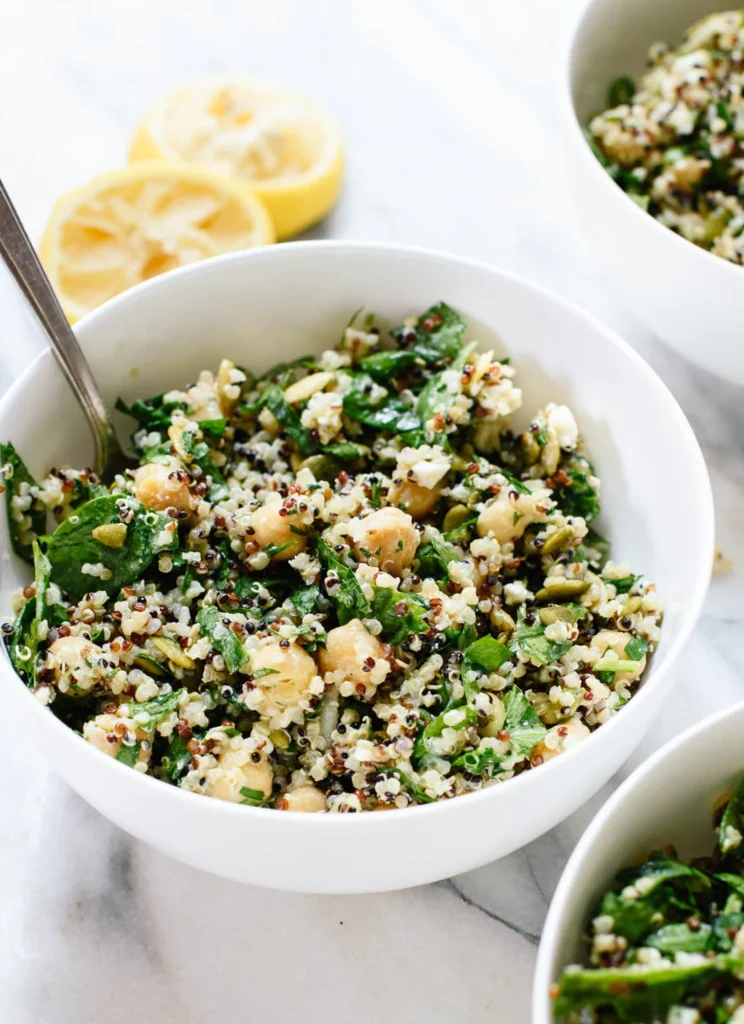
1. Quinoa Chickpea Salad with Lemon Dressing
This salad combines protein-rich quinoa and chickpeas with fresh vegetables. Use cucumber, tomatoes, bell peppers, and herbs like parsley or dill.
The lemon dressing adds a bright, tangy flavor. You’ll get both protein and fiber in one meal.
Prepare the salad ahead of time for lunch at work or school. It stays fresh in the fridge for several days, making meal prep quick and simple.

2. Grilled Chicken and Avocado Wrap
This wrap combines grilled chicken with creamy avocado for a satisfying lunch. Use leftover chicken or grab a rotisserie chicken to make prep even faster.
Layer your tortilla with sliced chicken, avocado, lettuce, tomatoes, and cheese. Add a simple sauce made from Greek yogurt or a squeeze of lime for extra flavor.
The protein from chicken and healthy fats from avocado keep you full between meals. Prepare these wraps ahead of time for grab-and-go lunches throughout the week.

3. Mediterranean Veggie Grain Bowl
A Mediterranean veggie grain bowl brings together whole grains like quinoa or farro with fresh vegetables, chickpeas, and healthy fats. You can build this bowl in about 15 to 35 minutes.
Layer your base grain with roasted or raw vegetables, olives, and feta cheese. Add chickpeas or lentils for protein.
Dress your bowl with olive oil, lemon juice, and oregano for classic Mediterranean flavor. Prep these bowls ahead for the week and customize each one with your preferred vegetables and grains.

4. Turkey and Spinach Whole Wheat Sandwich
A turkey and spinach sandwich on whole wheat bread gives you lean protein and fresh greens in one simple meal. Prepare it in minutes with sliced turkey breast, fresh spinach leaves, and your choice of toppings.
Layer your sandwich with tomatoes, cucumbers, or avocado for extra nutrients. Add a light spread like hummus or mustard to keep it flavorful without extra calories.
This sandwich works well for packed lunches since it holds up at room temperature. You get a filling meal that provides protein and fiber.

5. Roasted Sweet Potato and Black Bean Bowl
This bowl combines roasted sweet potatoes with black beans for a filling plant-based lunch. Prepare it ahead of time for easy weekday meals.
Start with roasted sweet potato cubes and black beans as your base. Add rice or greens, then top with sliced avocado and red onion.
A chipotle lime sauce brings everything together. Sweet potatoes provide vitamin A while black beans add protein and fiber.
Customize it with corn, peppers, or jalapeños based on what you have available.
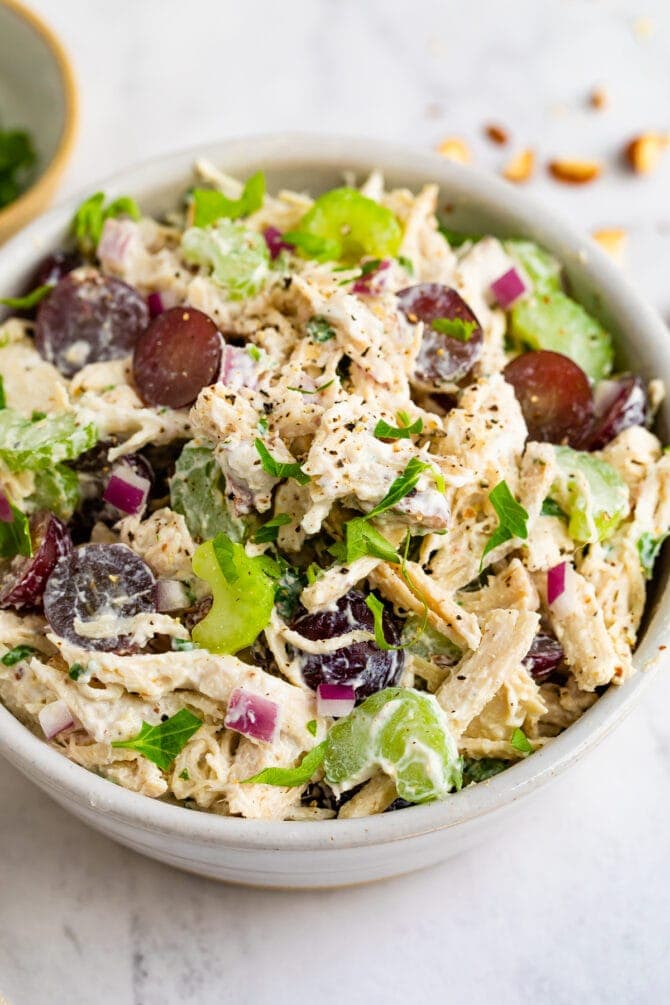
6. Greek Yogurt Chicken Salad
Swap mayo for Greek yogurt to create a lighter chicken salad that’s packed with protein. You’ll get around 25 grams of protein per serving while cutting calories and fat.
Mix shredded chicken breast with plain Greek yogurt, diced celery, and your choice of add-ins like grapes, cranberries, or almonds. Season with salt, pepper, and a touch of Dijon mustard for extra flavor.
Serve it on whole grain bread, in a wrap, or over greens.

7. Zucchini Noodle Stir-Fry with Tofu
This meal combines zucchini noodles with tofu for a light lunch that’s ready in about 20 minutes. You’ll get plant-based protein from the tofu and extra vegetables without many calories.
Make zucchini noodles with a spiralizer or buy them pre-made at most stores. Add garlic, ginger, and soy sauce for flavor.
Cook the tofu until it gets crispy, and keep the zucchini slightly crunchy.

8. Caprese Salad with Balsamic Glaze
This Italian salad takes just minutes to prepare and needs no cooking. Layer sliced tomatoes with fresh mozzarella cheese and basil leaves.
The balsamic glaze adds a sweet and tangy flavor. Make the glaze at home or buy it ready-made at the store.
This salad works as a light lunch or a side dish. Use ripe summer tomatoes for the best flavor.

9. Lentil and Veggie Soup
Lentil and veggie soup gives you a protein-packed lunch that won’t break your budget. Make it in one pot with simple ingredients like carrots, celery, onions, and your choice of greens.
Lentils provide both protein and fiber. Cook this soup on your stovetop in under an hour.
Add basic spices like cumin and oregano for extra flavor.

10. Hummus and Veggie Pita Pocket
This simple lunch comes together in about 10 minutes. Spread hummus inside a pita pocket and fill it with your choice of vegetables.
The hummus provides protein and keeps the ingredients in place. Use raw vegetables like cucumbers, tomatoes, and lettuce for a quick option.
Roasted vegetables add more flavor if you prep them ahead. Whole wheat pita adds fiber to help you stay full.
Make several at once and pack them for the week.
Key Nutrients to Include in Healthy Lunches
A balanced lunch needs the right mix of nutrients to keep you energized and focused through the afternoon. Your body requires lean proteins, complex carbohydrates, and essential vitamins to function at its best.
Lean Proteins for Sustained Energy
Protein helps you feel full longer and prevents energy crashes during the afternoon. Your body uses protein to build and repair tissues while maintaining steady blood sugar levels.
Good protein sources for lunch include chicken breast, turkey, fish, eggs, and Greek yogurt. Plant-based options include beans, lentils, tofu, and chickpeas.
Aim for 20-30 grams of protein per meal. This amount supports muscle health and keeps hunger at bay.
A 3-ounce serving of chicken provides about 26 grams of protein. One cup of cooked lentils offers 18 grams.
Lean proteins contain fewer calories from fat, making them ideal for maintaining a healthy weight. They also provide important minerals like iron and zinc that support your immune system.
Whole Grains and Fiber Sources
Whole grains give you lasting energy because they break down slowly in your body. Unlike refined grains, they keep their fiber, vitamins, and minerals intact.
Top whole grain choices:
- Brown rice
- Quinoa
- Whole wheat bread
- Oats
- Barley
- Farro
Fiber helps control blood sugar levels and reduces cholesterol. Adults need 25-35 grams of fiber daily, and lunch should provide about one-third of that amount.
Vegetables and fruits add extra fiber to your lunch. Broccoli, carrots, apples, and berries pair well with whole grains.
A lunch with quinoa, black beans, and mixed vegetables can deliver 12-15 grams of fiber.
Essential Vitamins and Antioxidants
Your lunch should include foods rich in vitamins A, C, D, E, and K. These nutrients protect your cells from damage and support your immune system.
Dark leafy greens like spinach and kale provide vitamins A, C, and K. Bell peppers and tomatoes offer high amounts of vitamin C.
Nuts and seeds contain vitamin E and healthy fats. Antioxidants fight harmful compounds in your body called free radicals.
You can get antioxidants from colorful fruits and vegetables. Berries, sweet potatoes, and red cabbage are excellent sources.
Add variety to your lunch by including different colored foods. Each color represents different beneficial compounds your body needs.
Customizing Lunches for Dietary Needs
Different eating styles require specific planning to make sure you get all the nutrients your body needs. Plant-based eaters need to focus on protein sources and key vitamins, while people avoiding gluten must find alternatives to common grain-based lunch items.
Balancing Meals for Plant-Based Diets
Include protein at every lunch to stay full and maintain energy. Good options include chickpeas, lentils, black beans, tofu, tempeh, and edamame.
A half-cup of cooked beans provides about 7-9 grams of protein. Pair your protein with whole grains like quinoa, brown rice, or farro.
These grains give you fiber and B vitamins that help your body use energy throughout the day. Add iron-rich foods since plant sources of iron aren’t absorbed as easily as meat.
Spinach, pumpkin seeds, and fortified cereals work well. Eat them with vitamin C foods like bell peppers or tomatoes to help your body absorb more iron.
Essential nutrients to track:
- Vitamin B12 (from fortified foods or supplements)
- Omega-3 fatty acids (from flaxseeds, chia seeds, or walnuts)
- Calcium (from fortified plant milk, tahini, or leafy greens)
- Zinc (from nuts, seeds, and legumes)
Lunch Strategies for Gluten-Free Lifestyles
Replace wheat-based wraps and bread with corn tortillas, rice paper, or lettuce leaves. These alternatives hold fillings just as well and add different textures to your meals.
Build grain bowls using naturally gluten-free options like rice, quinoa, buckwheat, or millet. These grains are safe and provide the same satisfying base as traditional lunch grains.
Check labels on packaged foods carefully. Soy sauce, salad dressings, and pre-made soups often contain hidden gluten.
Look for certified gluten-free versions or make your own dressings with oil, vinegar, and spices. Stock your kitchen with gluten-free crackers made from rice, seeds, or chickpeas for quick lunch sides.
Pair them with hummus, cheese, or nut butter for a complete meal component.
Frequently Asked Questions
These answers address common questions about preparing balanced lunches, from quick recipes to meal prep strategies.
What are some simple recipes for a healthy lunch?
Simple healthy lunches combine whole grains, lean protein, and vegetables. A quinoa chickpea salad with lemon dressing takes about 15 minutes to prepare and requires just a few ingredients.
You can make a Mediterranean veggie grain bowl by layering brown rice or farro with roasted vegetables, chickpeas, and a drizzle of olive oil. Wraps and sandwiches work well for quick preparation.
A grilled chicken and avocado wrap needs only cooked chicken, sliced avocado, greens, and a whole wheat tortilla. Turkey and spinach on whole wheat bread with mustard or hummus makes another fast option.
What healthy lunch options are suitable for taking to work?
Grain bowls and salads travel well in containers. Prepare a quinoa chickpea salad the night before and store it in an airtight container.
Wraps stay fresh when wrapped tightly in foil or parchment paper. A grilled chicken and avocado wrap holds up for several hours without getting soggy.
Pack wet ingredients like tomatoes separately and add them right before eating. Roasted sweet potato and black bean bowls work great for meal prep.
Make a batch on Sunday and divide it into individual containers for the week. Eat these bowls cold or reheat them in a microwave.
Which lunches are best for supporting weight loss goals?
Meals high in protein and fiber help you feel full longer. A grilled chicken and avocado wrap provides lean protein and healthy fats that keep hunger at bay.
The fiber from whole wheat tortillas supports digestion and satiety. Grain bowls with beans offer plant-based protein and complex carbohydrates.
A roasted sweet potato and black bean bowl delivers about 15 grams of fiber and substantial protein. This combination helps stabilize blood sugar and prevents afternoon energy crashes.
Salads with quinoa add complete protein to your meal. Quinoa chickpea salad with lemon dressing gives you both protein and fiber without excess calories.
What healthy lunch ideas are recommended for adults?
Adults need balanced meals that provide sustained energy throughout the day. Mediterranean veggie grain bowls include a variety of nutrients from different food groups.
These bowls typically contain whole grains, colorful vegetables, legumes, and heart-healthy olive oil. Sandwiches made with whole wheat bread offer more nutrition than white bread options.
A turkey and spinach whole wheat sandwich provides B vitamins, iron, and lean protein. Choose whole grain breads with at least 3 grams of fiber per slice.
What are the best lunch foods for maintaining a balanced diet?
Whole grains form the foundation of many balanced lunches. Quinoa, brown rice, and whole wheat bread provide complex carbohydrates and essential nutrients.
These foods give you steady energy without blood sugar spikes. Lean proteins like grilled chicken, turkey, and chickpeas support muscle maintenance and repair.
Pair proteins with healthy fats from avocado, olive oil, or nuts. This combination helps your body absorb fat-soluble vitamins.
Vegetables add vitamins, minerals, and fiber to your meal. Spinach, sweet potatoes, bell peppers, and tomatoes bring different nutrients to your plate.
Aim to include at least two different vegetables in each lunch.
How can I prepare a healthy lunch if I’m dining alone?
Single-serving grain bowls prevent food waste and control portions. Make a Mediterranean veggie grain bowl with just the amount you need for one meal.
Store leftover ingredients in small containers for another day.
Half recipes work well for dishes that serve multiple people. Prepare half a batch of quinoa chickpea salad or make just one roasted sweet potato and black bean bowl.
Freeze extra portions in individual containers for future meals.
Wraps and sandwiches naturally serve one person. Assemble a grilled chicken and avocado wrap or turkey and spinach sandwich fresh each time you eat.