
Hearts of palm are mild vegetables that work well in many different types of dishes. You can use them in salads, main courses, soups, and appetizers.
They are popular in plant-based cooking because they can stand in for seafood or meat in many recipes.
This guide will show you how to cook with hearts of palm through a range of recipes that include fresh salads, creamy pastas, and grilled dishes. You will also learn about the health benefits of hearts of palm and get practical tips for preparing them in your kitchen.
These recipes work for quick weeknight meals or special occasions when you want to try something different.
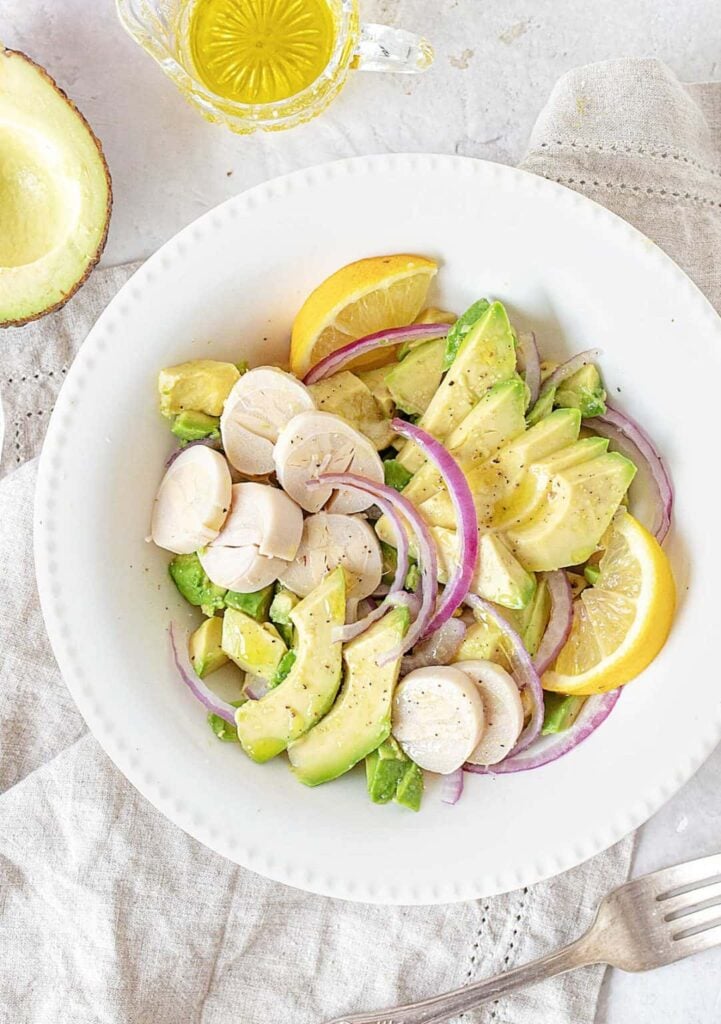
1. Heart of Palm and Avocado Salad
This simple salad combines creamy avocado with tender hearts of palm for a light, refreshing dish. You can make it in about 15 minutes with basic ingredients.
The base includes hearts of palm, avocado, and your choice of lettuce or greens. Add vegetables like cucumbers, tomatoes, or red onions for extra crunch and flavor.
For the dressing, you have several options. A lime or lemon vinaigrette works well, or you can use a honey balsamic dressing.
Fresh herbs like cilantro or parsley add a nice finishing touch.

2. Vegan Hearts of Palm ‘Crab’ Cakes
Hearts of palm make excellent vegan crab cakes because they have a naturally flaky texture. When you break them apart, they look and feel similar to real crab meat.
Most recipes combine hearts of palm with chickpeas or garbanzo beans as a binder. You’ll season them with Old Bay seasoning, garlic, and parsley for traditional flavor.
Kelp granules or dulse flakes add an ocean-like taste. You can serve these cakes as appetizers or as a main dish.
They work well with tartar sauce, cocktail sauce, or garlic aioli. Pair them with rice and vegetables for a complete meal.

3. Creamy Hearts of Palm Pasta
Hearts of palm pasta offers a lighter alternative to traditional noodles while delivering a creamy, satisfying meal. You can prepare this dish in under 30 minutes, making it perfect for busy weeknights.
The pasta works well with garlic-based sauces and pairs nicely with mushrooms and spinach. It’s naturally gluten-free and low in calories compared to wheat pasta.
The creamy texture comes from simple ingredients like heavy cream or plant-based alternatives. This dish fits multiple dietary needs, including keto and vegan diets.

4. Hearts of Palm Tacos with Cilantro Lime Slaw
Hearts of palm make excellent taco filling because they have a mild flavor and tender texture. You can bread and fry them for a crispy coating that works well in soft tortillas.
The cilantro lime slaw adds brightness to these tacos. You’ll need shredded cabbage, fresh cilantro, lime juice, and a bit of mayo or vegan mayo.
Season your hearts of palm with chili powder and garlic before cooking. Serve them in warm corn or flour tortillas with the slaw, avocado slices, and extra lime wedges on the side.

5. Hearts of Palm and Broccoli Soup
This elegant soup combines hearts of palm with broccoli in a creamy, satisfying dish. You’ll love how simple it is to make.
Start by cooking hearts of palm, broccoli florets, onion, and garlic in butter for about five minutes. Add your choice of broth and let it simmer for 15 minutes until the vegetables turn tender.
You can blend the soup for a smooth texture or leave it chunky. Many recipes add cream for richness, making it perfect for lunch or as a starter before dinner.

6. Grilled Hearts of Palm with Garlic and Herbs
Grilling hearts of palm brings out a smoky flavor that pairs perfectly with garlic and fresh herbs. Start by draining your canned hearts of palm and patting them dry.
Brush them with olive oil and season with minced garlic, salt, and pepper. Add your favorite herbs like rosemary, thyme, or parsley.
Place them on a medium-high grill for 3-4 minutes per side until you see char marks. The outside gets crispy while the inside stays tender.
Serve them as a side dish or add them to skewers with other vegetables.

7. Spicy Hearts of Palm and Black Bean Salad
This salad combines hearts of palm with black beans for a protein-rich side dish. You’ll cut the hearts of palm into rounds and mix them with rinsed black beans, corn, and diced tomatoes.
The spicy element comes from jalapeños and a simple dressing made with olive oil and lime juice. Add red onion and fresh cilantro for extra flavor.
You can serve this salad with tortilla chips or over a bed of greens. It works well for summer meals and comes together quickly with mostly pantry ingredients.

8. Hearts of Palm Ceviche
Hearts of palm ceviche offers a plant-based take on the classic citrus-cured dish. The hearts of palm replace raw fish and provide a tender texture that soaks up lime juice well.
You can make this recipe in about 10 to 15 minutes. Mix chopped hearts of palm with lime juice, diced red onion, tomato, and cilantro.
Some recipes add orange juice or avocado for extra flavor. The dish works as an appetizer with tortilla chips or as a light lunch.
You can also serve it on tostadas or in lettuce cups.

9. Hearts of Palm Stir-Fry with Vegetables
Hearts of palm work great in stir-fries because they hold their texture when cooked over high heat. You can slice them into rounds or strips and toss them with your favorite vegetables like bell peppers, snap peas, and carrots.
The mild flavor of hearts of palm lets them absorb whatever sauce you use. Try soy sauce, garlic, and ginger for a basic stir-fry, or add some chili paste if you want heat.
This dish comes together in under 15 minutes, making it perfect for busy weeknights.

10. Hearts of Palm and Tomato Bruschetta
This appetizer puts a fresh spin on traditional bruschetta. You’ll combine sliced hearts of palm with diced tomatoes and fresh basil for the topping.
The hearts of palm add a mild, tender texture that pairs well with juicy tomatoes. You can drizzle olive oil and balsamic vinegar over the mixture, then season with salt and pepper.
Toast your bread until it’s crispy. Spoon the hearts of palm and tomato mixture on top right before serving to keep the bread from getting soggy.
Nutritional Benefits of Hearts of Palm
Hearts of palm deliver a low-calorie food option packed with fiber and protein while containing minimal fat and sugar. These vegetables provide essential vitamins and minerals that support your overall health.
Vitamins and Minerals Profile
Hearts of palm contain several important nutrients your body needs. A 100-gram serving provides only 36 calories, making them an excellent choice for nutrient-dense meals.
You’ll get vitamin C from hearts of palm, which helps your immune system stay strong. They also provide folate, an important B vitamin that supports cell growth and function.
Key minerals in hearts of palm include:
- Iron for healthy blood cells
- Potassium for heart and muscle function
- Small amounts of calcium and magnesium
The fiber content in hearts of palm supports your digestive health and helps you feel full after eating. You’ll also get a good amount of plant-based protein compared to other vegetables.
Dietary Considerations
Hearts of palm fit into many different eating plans. They work well for vegan and vegetarian diets as a plant-based protein source.
If you follow a low-carb or keto diet, hearts of palm make a good choice. They’re naturally low in carbohydrates and sugar.
You can also eat them on a gluten-free diet since they contain no gluten. Watch the sodium content if you buy canned hearts of palm.
The canning liquid often contains added salt. You can rinse them before eating to reduce the sodium levels.
Hearts of palm provide antioxidants that help protect your cells from damage. Their low fat and calorie content makes them useful if you’re trying to manage your weight.
Cooking Tips for Hearts of Palm
Hearts of palm need proper selection, storage, and preparation to taste their best. Understanding how to pair them with other ingredients helps you create better dishes.
Selecting and Storing
Look for canned or jarred hearts of palm with a light cream color and firm texture. Avoid products that appear mushy or have too much liquid in the container.
Fresh hearts of palm are rarely available in most areas, so canned versions work well for most recipes. Store unopened cans in your pantry for up to two years.
Once you open a can, transfer any unused hearts of palm to an airtight container with their liquid. They’ll stay fresh in your refrigerator for up to two weeks.
Check the label for added ingredients. The best options contain only hearts of palm, water, salt, and citric acid.
Some brands add preservatives or extra sodium that can affect the taste of your final dish.
Preparation Methods
Drain hearts of palm and rinse them under cold water before using. Pat them dry with paper towels to remove excess moisture.
This step prevents your dish from becoming watery.
Common cooking techniques:
- Raw: Slice thin for salads and cold dishes
- Sautéed: Cook in oil for 3-4 minutes until lightly browned
- Grilled: Brush with oil and grill for 2-3 minutes per side
- Roasted: Bake at 400°F for 15-20 minutes
Cut hearts of palm into bite-sized pieces for salads. Slice them lengthwise for vegan seafood recipes.
You can also shred them with a fork to mimic crab or lobster meat.
Pairing Suggestions
Hearts of palm have a mild, slightly tangy flavor that works with many ingredients. They taste similar to artichoke hearts but with a softer texture.
Pair them with creamy dressings like Caesar or ranch for salads. Citrus flavors complement hearts of palm well.
Try lime juice, lemon zest, or orange segments in your recipes. Garlic, fresh herbs like parsley and dill, and olive oil also enhance their natural taste.
Use hearts of palm as a substitute for seafood in plant-based cooking. They work particularly well in crab cakes, ceviche, and scallop dishes.
Add avocado, tomatoes, or cucumbers to create fresh, light meals.
Frequently Asked Questions
What are some savory dishes that incorporate hearts of palm?
Hearts of palm work well in dips where you can mash or chop them to create creamy textures. You can add them to soups for extra body and a mild flavor that won’t overpower other ingredients.
Tacos made with seasoned hearts of palm provide a satisfying filling that holds up to toppings and sauces. They make excellent pasta dishes when sliced and tossed with creamy sauces.
You can also use them in stir-fries or grain bowls alongside vegetables and proteins.
How can hearts of palm be included in a healthy diet through recipes?
Hearts of palm are low in calories and high in fiber, which helps you feel full without adding many calories to your meals. They contain protein and antioxidants that support your overall health.
You can use them in salads with avocado and other vegetables for a nutrient-dense meal. Adding hearts of palm to recipes lets you reduce meat consumption while still getting satisfying textures.
They work in light meals like the Hearts of Palm and Avocado Salad or more filling dishes like pasta and soup.
What are the best ways to prepare a hearts of palm dinner?
Start by draining canned hearts of palm well and patting them dry with paper towels. This prevents excess water from making your dish watery or soggy.
Cut them into even pieces so they cook at the same rate. Handle them gently when mixing with other ingredients because they can break apart easily.
You can slice them for pasta dishes, chop them for tacos, or leave them whole for salads. Season them according to your recipe since they have a mild flavor that takes on other tastes well.
Which vegetarian recipes featuring hearts of palm come highly recommended?
Vegan Hearts of Palm ‘Crab’ Cakes stand out as a popular plant-based option that mimics seafood texture. The Creamy Hearts of Palm Pasta offers a satisfying main course with rich flavors.
Hearts of Palm Tacos with Cilantro Lime Slaw provide fresh, bright flavors in an easy-to-make meal. The Heart of Palm and Avocado Salad works well as a light lunch or side dish.
Hearts of Palm and Broccoli Soup gives you a warm, comforting option for cooler weather.
Can you suggest a simple way to cook with canned hearts of palm?
Open the can and drain the liquid completely. Rinse the hearts of palm under cold water and pat them dry.
Slice them into rounds or chop them into smaller pieces. Add them directly to salads for the easiest preparation method.
You can also sauté them in a pan with olive oil and garlic for 3-4 minutes until they turn lightly browned. Mix them into any dish where you want to add texture and mild flavor without much prep work.
What are the culinary benefits and limitations of using hearts of palm?
Hearts of palm adapt well to many different flavors and cooking methods. You can substitute them effectively for seafood or meat in plant-based recipes.
Their mild taste won’t clash with other ingredients in your dishes. They have a tender texture similar to artichokes that adds interest to meals.
Handle them carefully because they can fall apart when mixed too roughly. The canned version offers convenience, but you need to drain it properly to avoid watery dishes.