
Grilling brings people together for good food and enjoyable meals outdoors. Whether you’re cooking for a weekend cookout or a simple weeknight dinner, having tested recipes makes the process easier and more successful.
The right techniques and ingredients help you create meals that taste great every time. You’ll find options for chicken, steak, pork, shrimp, and plant-based dishes that work for different tastes and occasions.
Each recipe includes clear steps that help you get consistent results on your grill.
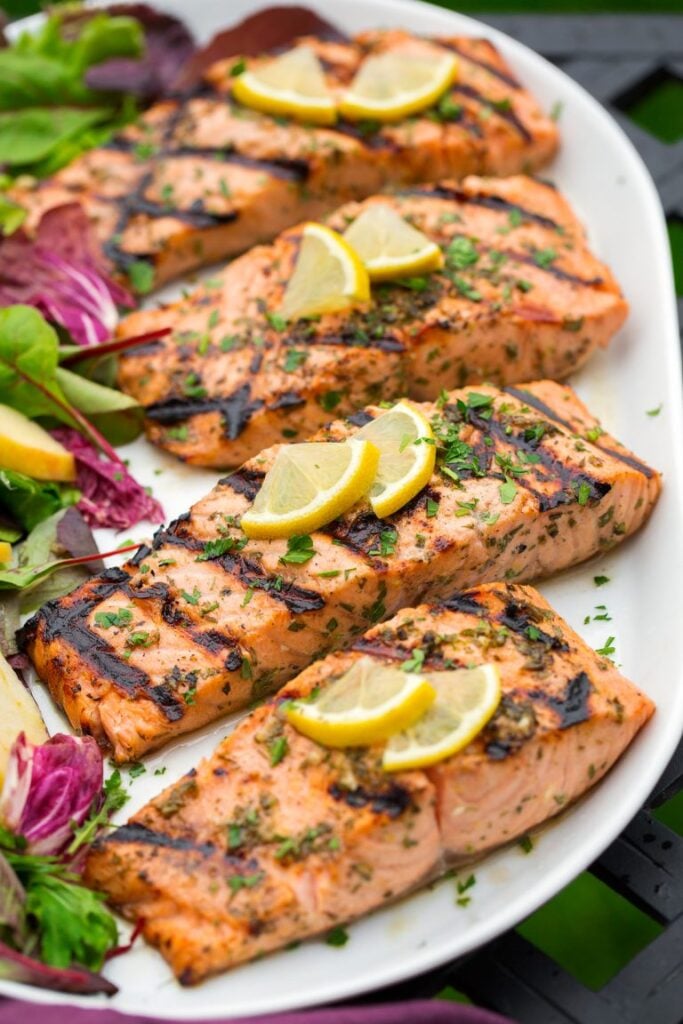
1. Grilled Herb-Marinated Salmon
Salmon becomes incredibly flavorful when you marinate it with fresh herbs and lemon. You’ll need olive oil, minced garlic, and your choice of herbs like parsley, thyme, or dill.
Mix your marinade ingredients in a bowl and coat your salmon fillets. Let them sit for 20-30 minutes before grilling.
Preheat your grill to medium-high heat. Place the salmon skin-side down and cook for 4-6 minutes per side.
The fish flakes easily with a fork and reaches 145°F internally when done.

2. Classic BBQ Pork Chops with Dry Rub
Dry rubs transform ordinary pork chops into flavorful grilled meals. Mix brown sugar, smoked paprika, garlic powder, onion powder, salt, and pepper for a basic rub.
Pat your pork chops dry before applying the rub. Press the mixture firmly onto both sides of the meat.
Let them sit for 15 minutes before grilling. Grill over medium-high heat for about 4-5 minutes per side.
The brown sugar in your rub creates a nice char on the outside while the inside stays juicy.

3. Grilled Lemon Garlic Chicken Thighs
Chicken thighs stay juicy on the grill because they have more fat than chicken breasts. This makes them harder to overcook and perfect for grilling.
The marinade combines olive oil, fresh lemon juice, lemon zest, and minced garlic. You can add herbs like oregano, thyme, or rosemary for extra flavor.
Let your chicken marinate for at least 10 minutes before grilling. Grill over medium heat until the meat reaches 165°F inside.
The lemon adds a bright, fresh taste while the garlic creates a rich flavor.

4. Charcoal-Grilled Ribeye Steak
A charcoal-grilled ribeye delivers rich flavor and a perfect sear. You need a good cut of ribeye, salt, pepper, and hot charcoal.
Season your steak with salt and pepper before grilling. Set up your charcoal grill with a two-zone fire for better control.
Place the ribeye on the hot grates and cook until you reach your desired doneness. Use a meat thermometer to check the internal temperature.
Let your steak rest for 5 to 10 minutes after grilling. This allows the juices to spread through the meat for better taste and tenderness.

5. Spicy Grilled Shrimp Skewers
Shrimp skewers cook fast on the grill, making them perfect for busy weeknights. You can have them ready in just 10 to 15 minutes from start to finish.
A simple marinade of garlic, lemon, and spices adds bold flavor without much work. Use extra-large shrimp for the best results since they hold up better to the heat.
Thread the shrimp close together on metal skewers to get good char marks. They’re done when they turn pink and slightly firm to the touch.

6. Grilled Asparagus with Parmesan
Grilled asparagus takes just 15 minutes and brings out the vegetable’s natural sweetness. Place the trimmed spears directly on the grill grates at an angle for the best flavor.
High heat creates char marks while keeping the inside crisp-tender. Season your asparagus with olive oil, salt, and pepper before grilling.
Once cooked, top the spears with grated parmesan cheese and a squeeze of fresh lemon. The cheese melts slightly from the heat, creating a simple yet flavorful side dish.

7. Smoky Grilled Portobello Mushrooms
Portobello mushrooms are perfect for grilling because of their large size and meaty texture. Marinate them in balsamic vinegar, olive oil, and garlic for about 15 minutes before cooking.
Place the mushrooms on a hot grill for 4-5 minutes per side. They’re done when they’re tender and have clear grill marks.
You can serve grilled portobellos as burgers, side dishes, or slice them for salads and pasta.

8. Balsamic Glazed Grilled Vegetables
Grilled vegetables get a flavor boost when you add balsamic glaze. The glaze adds a sweet and tangy taste that works well with the smoky char from the grill.
Use vegetables like zucchini, bell peppers, eggplant, onions, and carrots. Cut them into thick pieces so they don’t fall through the grill grates.
Brush the vegetables with balsamic glaze while they cook. Grill them over medium-high heat for 3 to 5 minutes per side until they have nice grill marks and turn tender.

9. Juicy Grilled Turkey Burgers
Turkey burgers can be just as good as beef when you grill them right. The key is using ground turkey with enough fat content to keep them moist.
Season your patties well before grilling. Mix in your favorite spices and herbs directly into the meat.
Form patties about three-quarters of an inch thick. Grill over medium-high heat for about five to six minutes per side.
The internal temperature should reach 165°F. Avoid pressing down on the burgers while they cook, as this pushes out the juices.

10. Honey Sriracha Grilled Chicken Wings
These wings bring together sweet honey and spicy sriracha for a flavor combination that works every time. The marinade combines honey, garlic, lime juice, and sriracha to coat each wing evenly.
Set your grill to medium heat, around 225-240°F for best results. The honey caramelizes as the wings cook, creating a sticky glaze on the outside while the meat stays juicy inside.
You can serve these wings at game day parties or any casual gathering.
Grilling Techniques for Perfect Results
Success at the grill comes down to having the right tools, understanding how heat works, and maintaining proper temperatures throughout the cooking process.
Essential Grilling Tools
You need a few basic tools to grill safely and effectively. A long-handled spatula and tongs keep your hands away from the heat while letting you flip and move food easily.
Metal tools work better than plastic ones because they won’t melt. A wire grill brush cleans your grates before and after cooking.
Clean grates prevent sticking and ensure even heat distribution. Use a meat thermometer to check internal temperatures accurately.
Heat-resistant gloves protect your hands when working near hot surfaces. A basting brush applies marinades and sauces without making a mess.
Keep a spray bottle filled with water nearby to handle any flare-ups quickly.
Direct vs. Indirect Heat
Direct heat means placing food directly over the flames or heat source. This method works best for quick-cooking items like burgers, hot dogs, thin steaks, and vegetables.
The high heat creates a nice sear and caramelized exterior. Indirect heat involves placing food away from the direct flame, using the grill like an oven.
You turn on only one side of your grill or push coals to one side, then place food on the cooler area. This technique suits larger cuts like whole chickens, roasts, and thick pork chops that need longer cooking times.
You can sear meat over direct heat first, then move it to indirect heat to finish cooking through without burning the outside.
Tips for Temperature Control
Preheat your grill for 10-15 minutes before adding food. Gas grills reach temperature faster than charcoal, but both need adequate preheating time for even cooking.
Use your grill’s vents to control airflow and temperature. Opening vents increases oxygen flow and raises the temperature.
Closing them partially reduces heat. This matters most with charcoal grills.
Monitor food temperature with an instant-read thermometer inserted into the thickest part. Chicken should reach 165°F, ground beef 160°F, and beef steaks 145°F for medium-rare.
Don’t rely on cooking times alone since grill temperatures vary. Keep the lid closed as much as possible to maintain steady heat.
Opening it repeatedly lets heat escape and extends cooking time.
Ingredient Selection and Preparation
The quality of your grilled food depends heavily on two factors: the raw ingredients you select and how you prepare them before they hit the grill. Fresh, high-quality meats and produce combined with proper seasoning techniques will transform ordinary meals into exceptional dishes.
Choosing the Best Cuts and Produce
Start with the right cuts of meat for your grilling method. Ribeye, strip steak, and T-bone work well for direct high-heat grilling because of their fat content.
These cuts stay juicy and develop a good crust. For chicken, bone-in thighs resist drying out better than breasts.
If you prefer white meat, look for thicker breast pieces that won’t overcook quickly. Pork chops should be at least 1 inch thick.
Thinner chops become dry and tough on the grill. Choose chops with some fat around the edges for better flavor.
Select produce at peak ripeness:
- Firm bell peppers without soft spots
- Zucchini and squash that feel heavy for their size
- Corn with bright green husks and moist silk
- Asparagus with tight, closed tips
Fresh vegetables contain more moisture and natural sugars, which caramelize beautifully over flames. Avoid produce that looks wilted or has brown spots.
Marinating and Seasoning Strategies
Salt your meat 40 minutes before grilling or right before cooking. The 40-minute window lets salt penetrate deep into the meat.
Anything between 3-40 minutes draws out moisture without enough time to reabsorb it. Marinades need acid, fat, and flavor components.
Combine citrus juice or vinegar with oil and your choice of herbs and spices. Marinate thin cuts like flank steak or chicken breasts for 2-4 hours.
Thicker cuts can marinate up to 24 hours. Pat meat dry before grilling even if it’s been marinated.
Excess surface moisture creates steam instead of a proper sear. For vegetables, toss them with oil and season with salt and pepper.
The oil prevents sticking and helps them brown evenly. Add delicate herbs like basil or parsley after grilling to preserve their fresh flavor.
Frequently Asked Questions
What are some essential tips for grilling meat to perfert?
Start with room temperature meat to ensure even cooking throughout. Cold meat straight from the refrigerator will cook unevenly, leaving you with a charred exterior and raw interior.
Preheat your grill for at least 10 to 15 minutes before cooking. This creates the high heat needed for proper searing and those attractive grill marks.
Use a meat thermometer to check internal temperature rather than relying on cooking time alone. Chicken should reach 165°F, pork chops need 145°F, and ribeye steak hits medium-rare at 130°F to 135°F.
Let your meat rest for 5 to 10 minutes after removing it from the grill. This allows juices to redistribute throughout the meat, keeping it moist and flavorful.
How do I choose the best cuts of meat for barbecue recipes?
Look for cuts with good marbling, which are the white streaks of fat running through the meat. These fat deposits melt during cooking and keep the meat tender and juicy.
Ribeye and strip steaks work well for quick, high-heat grilling. For longer cooking times, choose tougher cuts like brisket or pork shoulder that break down and become tender.
Bone-in cuts like chicken thighs and pork chops stay moister than boneless options. The bone helps conduct heat and adds flavor during cooking.
Check for bright red color in beef and pinkish color in pork. Avoid meat with brown or gray spots, which indicate age.
Can you suggest some popular marinades and rubs for enhancing flavor in grilling?
A simple lemon garlic marinade combines fresh lemon juice, minced garlic, olive oil, and herbs like thyme or rosemary. This works well for chicken and fish, adding brightness without overpowering the natural flavors.
Dry rubs deliver concentrated flavor without adding moisture. Mix brown sugar, paprika, garlic powder, onion powder, salt, and black pepper for a classic BBQ rub that creates a flavorful crust on pork chops and ribs.
For spicy dishes, blend chili powder, cayenne pepper, cumin, and lime juice. This combination pairs perfectly with shrimp and gives a bold kick.
Marinate thin cuts for 30 minutes to 2 hours. Marinate thick cuts for 4 to 24 hours.
What grilling techniques should be used for vegetables to keep them crisp and flavorful?
Cut vegetables into uniform sizes so they cook at the same rate. Large pieces take longer while small pieces can fall through grill grates or burn quickly.
Brush vegetables lightly with oil before grilling to prevent sticking and help with browning. Too much oil can cause flare-ups and leave vegetables greasy.
Use direct medium-high heat for most vegetables. Place denser vegetables like potatoes and carrots over hotter spots, while softer vegetables like zucchini and peppers can go over cooler areas.
Grill vegetables until they develop char marks but still have some firmness. Bell peppers need about 8 to 10 minutes, while asparagus only needs 5 to 7 minutes.
How do I ensure even cooking and prevent burning when grilling delicate items like fish?
Oil the grill grates thoroughly before adding fish to prevent sticking. You can also use a fish basket or place fish on a cedar plank for easier handling.
Choose thicker fish fillets or steaks that can withstand the heat better. Salmon fillets hold together during cooking and flipping.
Keep the skin on when possible, as it protects the delicate flesh from direct heat. Place the fish skin-side down first and let it cook for most of the time.
Wait until the fish releases naturally from the grates before flipping. This usually takes 3 to 4 minutes per side for a 1-inch thick fillet.
Use medium heat instead of high heat for fish. High temperatures cause the exterior to burn before the interior cooks through.
What are some creative side dishes that pair well with grilled main courses?
Grilled corn on the cob brushed with butter and sprinkled with chili powder complements BBQ pork chops and ribeye steak. The sweetness of the corn balances the savory, smoky flavors of grilled meat.
A fresh coleslaw with vinegar-based dressing adds crunch and cuts through rich, fatty meats. The acidity helps cleanse your palate between bites.
Grilled vegetable skewers with bell peppers, onions, and mushrooms match well with herb-marinated salmon and garlic chicken thighs. They pick up similar smoky notes from the grill.
Potato salad with mustard and herbs offers a creamy, tangy side that works with almost any grilled protein.
Baked beans with molasses and bacon provide a sweet and savory option for spicy grilled shrimp. The hearty texture balances lighter seafood dishes.