
African food offers incredible variety that comes from different regions, cultures, and cooking methods across the continent. Each area has its own special ingredients and ways of preparing meals that have been passed down through many generations.
From spicy stews to flatbreads and grilled meats, these dishes show the rich history of African cooking.
You can make authentic African meals at home using traditional recipes that bring the true flavors of the continent to your kitchen. This guide walks you through some of the most loved dishes from different parts of Africa.
You’ll learn about key ingredients, cooking techniques, and the cultural meaning behind these foods.
1. Jollof Rice
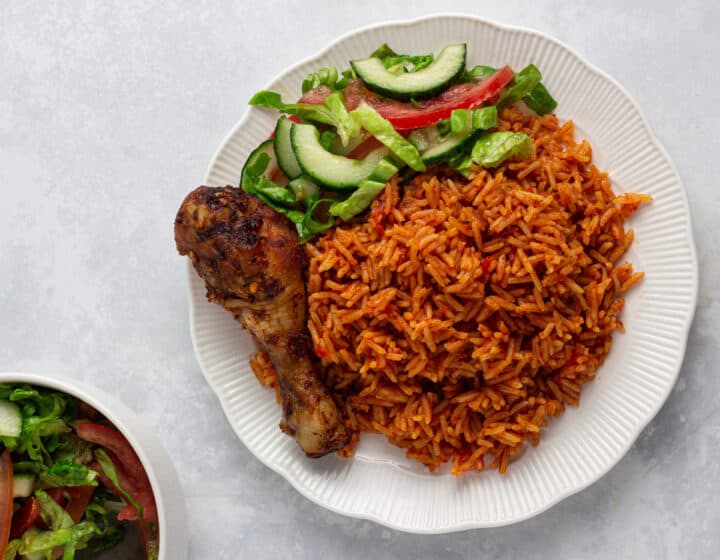
Jollof rice is West Africa’s most beloved one-pot dish. You cook long-grain rice in a rich tomato sauce with onions, peppers, and spices until fluffy and flavorful.
The dish brings bold taste to your table with minimal effort. You can serve it as a main course or side dish with grilled meats, fish, or vegetables.
Each West African country has its own version of this recipe. Nigerian and Ghanaian styles are the most popular, though the basic cooking method stays the same.

2. Egusi Soup
Egusi soup is a staple dish from West Africa made with ground melon seeds. The seeds are rich in protein and healthy fats.
You cook the ground egusi with palm oil, leafy greens like spinach, and your choice of meat or fish. The soup gets its thick texture from the melon seeds and has a rich yellow-orange color.
You can serve egusi soup with traditional sides like fufu, pounded yam, or eba. The dish takes about 30 minutes to prep and one hour to cook.

3. Doro Wat
Doro Wat is Ethiopia’s national dish and one of Africa’s most recognized recipes. This spicy chicken stew features tender chicken simmered in a rich sauce made with red onions and berbere spice blend.
You’ll find this dish served at weddings, birthdays, and religious celebrations throughout Ethiopia. The stew pairs with injera, a spongy fermented bread made from teff flour.
The recipe requires several hours of cooking, but the process is straightforward. Hard-boiled eggs are traditionally added to the aromatic sauce alongside the chicken.

4. Piri Piri Chicken
Piri Piri Chicken brings together African and Portuguese cooking traditions. Portuguese settlers brought chili peppers to Angola and Mozambique, where locals called them “piri piri” in Swahili, meaning “pepper-pepper.”
The dish features chicken marinated in a spicy sauce made with African bird’s eye chilies, garlic, lemon, vinegar, and paprika. You can grill the marinated chicken until it’s charred on the outside and juicy inside.
The marinade gives the chicken its signature reddish-gold color and fiery taste. You can use chicken breasts, thighs, or drumsticks for this recipe.

5. Injera Bread
Injera is a spongy, tangy flatbread from Ethiopia and Eritrea. You make it using teff flour, a grain native to Africa, though modern recipes often use other flours too.
The bread serves a unique purpose in African meals. It acts as both your plate and utensil.
You place stews and dishes directly on top of the injera, then tear off pieces to scoop up the food. Traditional injera requires fermentation, which gives it a slightly sour taste and creates its signature holes and texture.
The process takes patience, but you can find simpler versions that use vinegar to achieve similar results.

6. Bunny Chow
Bunny Chow is a popular South African street food that started in Durban. You take a loaf of white bread, hollow it out, and fill it with curry.
The curry can be made with meat like beef, chicken, or lamb, or you can use vegetables and beans. The dish combines Indian spices with South African cooking.
You use the scooped-out bread pieces to soak up the curry sauce. It’s a filling meal that’s easy to eat on the go.

7. Bobotie
Bobotie is a beloved South African comfort dish that brings together curried minced meat with sweet and savory flavors. You’ll find this Cape Malay classic made with beef or lamb mixed with raisins, chutney, and warm spices like curry and cinnamon.
What makes bobotie special is its golden egg custard topping that bakes over the spiced meat. You can serve it with yellow rice and chutney for a complete meal.

8. Tagine
Tagine is a traditional North African stew that comes from Morocco, Algeria, and Tunisia. The dish gets its name from the clay pot it’s cooked in, which has a wide base and a tall cone-shaped lid.
You don’t need the special pot to make this recipe at home. A regular Dutch oven works just fine.
The stew typically combines meat with vegetables, dried fruits, and warm spices. Popular versions include chicken with olives and preserved lemon or lamb with butternut squash and apricots.
The slow cooking method creates tender meat and rich flavors.

9. Suya
Suya is one of West Africa’s most beloved street foods. You’ll find these spicy grilled meat skewers sold by roadside vendors throughout Nigeria and neighboring countries.
The beef is coated in a bold peanut-based spice blend before grilling over open flames. The smoky, charred meat gets served with fresh onions, tomatoes, and lime juice.
You can make suya with beef, chicken, or even vegetarian options. The key is getting the right spice mix and achieving that signature grilled flavor.

10. Fufu
Fufu is a staple food across West and Central Africa that you’ll find served alongside soups and stews. You make it by boiling starchy ingredients like cassava, plantains, or yams, then pounding or blending them into a smooth, stretchy dough.
The texture is dense and elastic, perfect for tearing off small pieces to scoop up flavorful sauces. You can prepare fufu with just a few simple ingredients, making it an accessible dish to try at home.
Each region has its own variation, but the basic technique remains the same.
Key Ingredients in Traditional African Cuisine
African cooking relies on a core set of ingredients that vary by region but share common threads. Grains like rice and millet form the base of many meals, while spices such as berbere and uziza seeds add depth and heat.
Staple Grains and Tubers
Grains serve as the foundation for most African meals. Rice is essential in West African dishes like jollof rice, while millet and sorghum are staples across the Sahel region.
Teff, a tiny grain native to Ethiopia, is ground into flour to make injera, the spongy flatbread that accompanies nearly every Ethiopian meal. Tubers provide important carbohydrates and filling power.
Cassava appears in various forms across the continent, from fufu in West Africa to gari in Nigeria. Yams hold cultural significance in many communities and feature prominently in celebrations.
Plantains work as both a starchy side dish and a sweet snack depending on their ripeness. Couscous dominates North African cuisine, particularly in Morocco and Algeria.
Cornmeal, known as mealie meal in Southern Africa, creates dishes like pap and sadza.
Essential Spices and Seasonings
Bold spice blends define African cooking and set it apart from other cuisines. Berbere is an Ethiopian blend combining chili peppers, fenugreek, coriander, cardamom, and other spices.
North African cooking depends on ras el hanout, which can contain over a dozen spices including cumin, cinnamon, and turmeric. West African kitchens stock several unique ingredients.
Dawadawa, made from fermented locust beans, adds umami depth to soups and stews. Crayfish powder brings a seafood flavor to many dishes.
Uziza seeds and alligator pepper provide distinctive peppery notes. Single spices appear frequently across regions.
Ginger and garlic form the base of countless recipes. Cumin and coriander seeds are essential in North African tagines.
Cayenne pepper and chili powder bring heat to dishes throughout the continent.
Popular Proteins and Vegetables
You’ll find diverse protein sources in African cooking. Chicken and goat meat are the most common, appearing in stews, grilled dishes, and rice preparations.
Fish, both fresh and dried, is crucial in coastal regions and adds flavor even in small amounts. Legumes like black-eyed peas, lentils, and peanuts provide plant-based protein.
Vegetables play supporting roles but add essential nutrients. Leafy greens such as collard greens, spinach, and amaranth leaves appear in side dishes across the continent.
Okra thickens soups and stews while adding a unique texture. Tomatoes and onions form the base of most sauces and stews.
Eggplant features in North African cooking. Hot peppers range from mild to extremely spicy depending on the region and dish.
Cultural Significance of African Food
African food connects people to their ancestors and preserves centuries-old traditions through every meal. Each dish carries stories of migration, trade, and cultural exchange that shaped communities across the continent.
History and Storytelling Through Meals
Traditional African dishes serve as living records of the past. When you prepare recipes passed down through generations, you participate in a form of storytelling that predates written language.
Each ingredient choice reflects historical events. The use of specific spices tells stories of ancient trade routes that connected African kingdoms to distant lands.
Palm oil in West African cooking and preserved lemons in North African cuisine show how geography shaped food traditions. Family recipes carry memories of significant life events.
You’ll find that cooking methods like slow-simmering stews or pounding yam represent techniques your ancestors developed over thousands of years. These practices connect you to your heritage in tangible ways.
Meals mark important ceremonies and celebrations. Birth rituals, weddings, and harvest festivals all feature specific dishes that hold meaning beyond nutrition.
When you share these foods, you honor the people who came before you.
Regional Diversity and Traditions
African cuisine varies dramatically based on location and available resources. North African cooking features Mediterranean influences with olives, couscous, and tagines seasoned with harissa paste.
West African food relies on palm oil, plantains, and yams as foundational ingredients. Different regions developed unique cooking techniques suited to their environments.
You’ll notice that coastal areas emphasize seafood preparation methods, while inland regions focus on grain-based dishes and livestock.
Key Regional Elements:
- North Africa: Preserved lemons, cumin, mint, couscous
- West Africa: Peanuts, cassava, okra, hot peppers
- East Africa: Coconut milk, cardamom, berbere spice blends
- Southern Africa: Maize, dried beans, game meats
Your cooking style reflects your community’s values. Communal eating from shared bowls emphasizes hospitality and unity in many African cultures.
Frequently Asked Questions
Traditional African dishes like Jollof Rice and Doro Wat raise common questions about ingredients, cooking methods, and how to get started. These answers will help you understand what makes these recipes authentic and how to prepare them in your own kitchen.
What are some classic dinner recipes from traditional African cuisine?
Jollof Rice stands out as one of West Africa’s most popular dinner dishes. You cook rice in a tomato-based sauce with onions, peppers, and spices until it turns a rich orange-red color.
Doro Wat serves as Ethiopia’s national dish. This spicy chicken stew uses berbere spice blend and slow-cooks the meat in a thick, flavorful sauce.
You typically eat it with injera bread. Egusi Soup comes from Nigeria and uses ground melon seeds as its base.
You add vegetables, meat or fish, and palm oil to create a thick, nutritious soup that pairs well with fufu or pounded yam. Piri Piri Chicken brings heat from East African and Portuguese influences.
You marinate chicken in spicy piri piri peppers, garlic, and lemon before grilling or roasting it.
Which African food recipes can be prepared easily at home?
Jollof Rice requires basic ingredients you can find at most grocery stores. You need rice, tomatoes, onions, peppers, and common spices.
You cook the entire dish in one pot.
Piri Piri Chicken works well for beginners since it mainly involves making a marinade and cooking the chicken. You can adjust the spice level to match your taste preferences.
Injera bread needs only a few ingredients but requires time for fermentation. The batter sits for several days before you cook it like a large, spongy pancake on a griddle.
Can you list top African dishes for someone new to this cuisine?
Start with Jollof Rice because it offers familiar textures and ingredients. The flavors are bold but not overwhelming for new palates.
Try Piri Piri Chicken next since grilled chicken is a common dish in many cuisines. The piri piri sauce adds an African twist to something you already know.
Move on to Injera Bread with simple toppings. This lets you experience the unique sour flavor and spongy texture.
Egusi Soup gives you a taste of West African ingredients and cooking methods. The ground melon seeds create a texture that might be new but is easy to enjoy.
Save Doro Wat for when you feel more comfortable. This dish uses berbere spice blend and cooking techniques that take more time and specific ingredients.
Where can I find a comprehensive book on traditional African recipes?
Look for cookbooks that focus on specific regions rather than the entire continent. West African, East African, and North African cuisines differ greatly in ingredients and methods.
Check your local library or bookstore for authors who grew up in African countries. These writers often share family recipes and cultural context that make the dishes more authentic.
Online resources and food blogs offer free recipes with step-by-step photos. Many home cooks share their experiences adapting traditional recipes for modern kitchens.
How do I make authentic fufu at home?
Fufu requires starchy ingredients like cassava, plantains, or yams. You boil these until they’re soft and easy to mash.
Pound or blend the cooked starch with water until it forms a smooth, stretchy dough. The texture should be elastic and hold together when you shape it into balls.
You can use a food processor or stand mixer instead of traditional mortars and pestles. Add small amounts of water as you blend to get the right consistency.
Serve fufu warm since it hardens as it cools. You eat it by tearing off small pieces and dipping them in soups or stews.
What are the differences between various West African staple dishes?
Jollof Rice uses long-grain rice cooked in a tomato sauce with specific spices. Each country in West Africa claims their version as the best and uses slightly different ingredients.
Egusi Soup relies on ground melon seeds for thickness and flavor. This ingredient is specific to West and Central Africa.
Fufu serves as a starchy side dish made from pounded cassava, yams, or plantains. Different countries prefer different base ingredients, which changes the taste and texture.
Jollof Rice works as a complete meal on its own. Egusi Soup needs a starchy side.
Fufu always accompanies soups or stews.