
Puerto Rican cuisine brings together Caribbean, Spanish, African, and American flavors to create dishes that are both comforting and exciting.
The island’s food combines fresh ingredients like plantains, rice, beans, and seafood with bold seasonings that make every meal special.
These 21 recipes will give you everything you need to cook authentic Puerto Rican food at home, from crispy fried plantains and savory meat dishes to sweet desserts and refreshing drinks.
You’ll learn to make classic dishes like mofongo, pernil, and arroz con gandules, plus discover the key sauces and techniques that make Puerto Rican cooking unique.
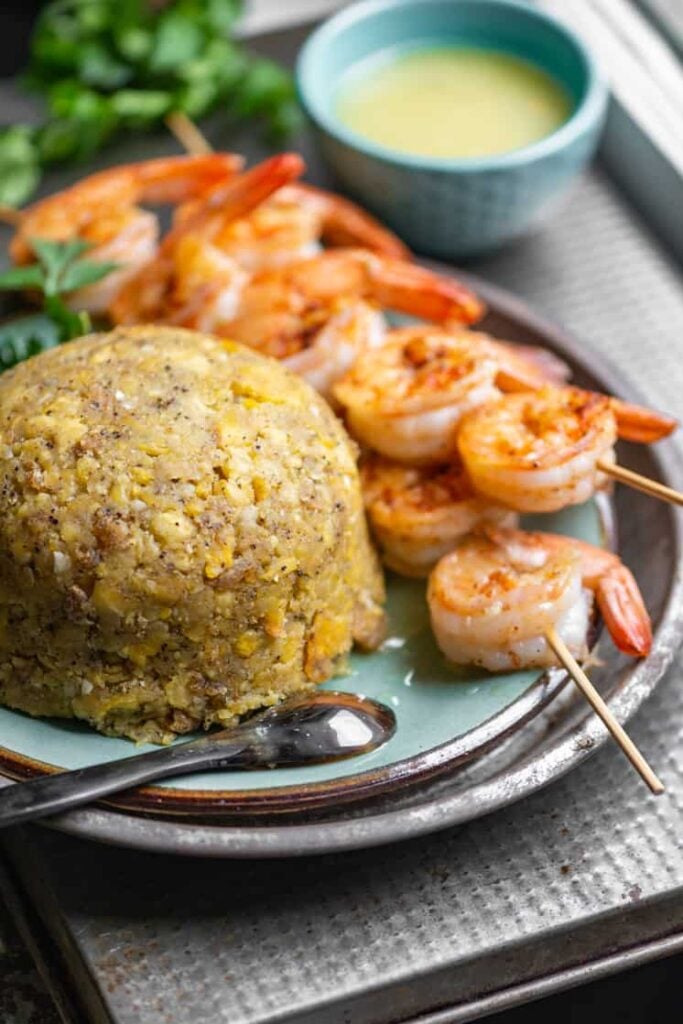
1. Mofongo with Garlic Sauce
Mofongo is Puerto Rico’s signature dish made with fried green plantains.
You mash the plantains with garlic, salt, and crispy pork cracklings called chicharrones.
The dish creates a flavorful side that pairs well with many meals.
You can serve it as an alternative to potatoes or rice.
Traditional mofongo uses vegetable oil or lard for frying.
The garlic sauce adds extra flavor and moisture to the mashed plantains.
You’ll find this dish throughout the Caribbean, but it remains closest to Puerto Rican hearts.

2. Arroz con Gandules
This is Puerto Rico’s signature rice dish.
You cook fluffy yellow rice with tender pigeon peas and chunks of pork.
The secret ingredient is sofrito.
This blend contains green peppers, onions, garlic, and culantro.
It gives the rice its rich flavor.
You season the dish with sazon packets and tomato paste.
Many cooks add olives for extra taste.
This comfort food appears at family gatherings and celebrations.
You can serve it as a side dish or main course.

3. Lechón Asado (Roast Pork)
You’ll find lechón asado at the heart of Puerto Rican celebrations.
This roasted pork dish uses a whole pig or pork shoulder marinated overnight.
The meat gets seasoned with garlic, oregano, salt, and citrus juice.
This creates a flavorful mojo marinade that soaks deep into the pork.
You can roast it in your oven or use a slow cooker for easier cooking.
The result is tender, juicy meat with crispy skin that falls apart when you touch it.

4. Pastelón (Puerto Rican Lasagna)
Pastelón replaces pasta with sweet plantains to create Puerto Rico’s version of lasagna.
You layer thinly sliced ripe plantains with seasoned ground beef and cheese.
The beef filling uses sofrito and tomato sauce for authentic Puerto Rican flavor.
Some recipes add olives and other seasonings to the meat mixture.
You bake the layers until the cheese melts and bubbles on top.
The result combines sweet plantains with savory meat for a perfect balance.
This casserole works great for family dinners or potluck gatherings.
You can prepare it ahead of time and bake when ready to serve.

5. Alcapurrias
Alcapurrias are popular Puerto Rican fritters that you’ll find sold by street vendors across the island.
These golden treats make perfect beach snacks.
You make the dough using green plantains and yautía (taro root).
The mixture creates a unique base that’s different from regular fritters.
The filling is typically seasoned ground beef called picadillo.
Some recipes use chicken, turkey, or even seafood instead.
You shape the dough around the meat filling, then deep-fry until crispy and golden.
The result is a crunchy outside with flavorful filling inside.
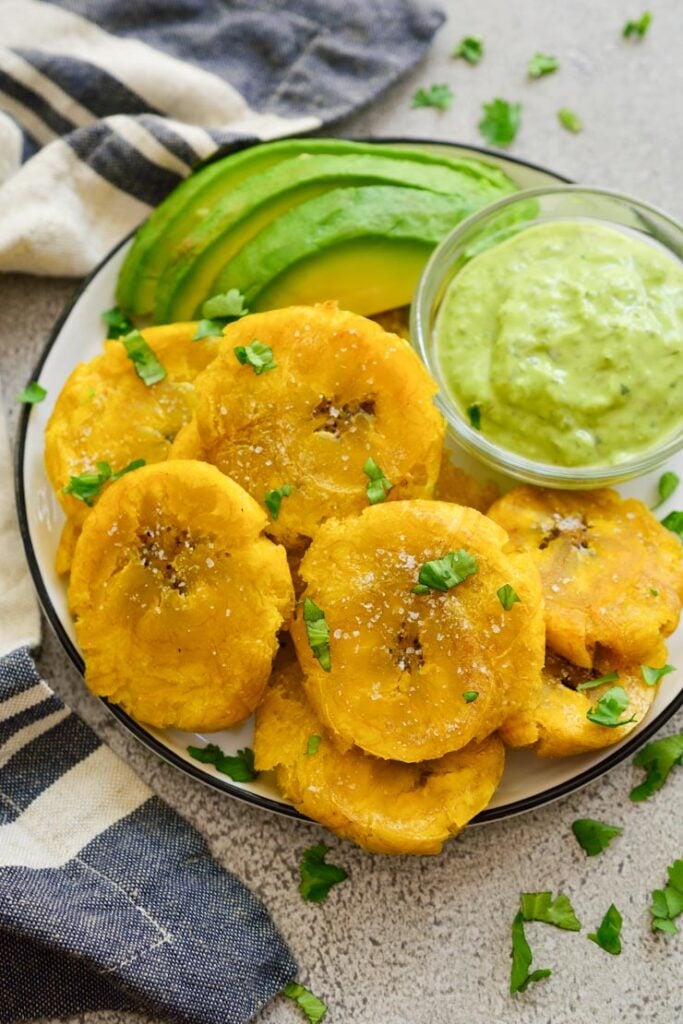
6. Tostones (Fried Green Plantains)
Tostones are crispy twice-fried plantain slices that make a perfect side dish.
You start with green plantains, which are less sweet than ripe ones.
First, you slice the plantains and fry them once.
Then you smash them flat and fry them again.
This creates a crispy outside and soft inside.
You season them with salt and garlic for extra flavor.
Many people serve tostones with mayo-ketchup sauce for dipping.
These golden plantain rounds go well with almost any Puerto Rican meal.

7. Pollo Guisado (Stewed Chicken)
Pollo Guisado is a classic Puerto Rican chicken stew that brings comfort to every table.
You’ll love how tender chicken pieces cook slowly in a rich tomato-based broth.
The dish gets its deep flavor from sofrito, a blend of peppers, onions, garlic, and cilantro.
You can use bone-in chicken for the best taste and texture.
Your stew will include potatoes, carrots, and green olives for extra heartiness.
The chicken becomes fork-tender after cooking low and slow on the stovetop.

8. Arroz con Dulce (Puerto Rican Rice Pudding)
Arroz con dulce is a creamy rice pudding that brings comfort to any table.
This traditional Puerto Rican dessert combines rice with coconut milk and warm spices.
You’ll taste cinnamon, cloves, and ginger in every spoonful.
Many families add raisins and shredded coconut for extra flavor and texture.
This sweet treat is popular during Christmas and holidays.
You can enjoy it hot or cold, making it perfect for any time of day.

9. Empanadillas (Puerto Rican Empanadas)
Empanadillas are fried turnovers filled with seasoned meat.
You can also call them pastelillos.
The filling is usually picadillo made with ground beef, peppers, and olives.
Some recipes add cheese or potatoes too.
You can make the dough from scratch or use frozen empanada discs from the store.
Goya brand discos work well and save time.
These golden pastries make great appetizers or snacks.
You fry them until crispy on the outside.
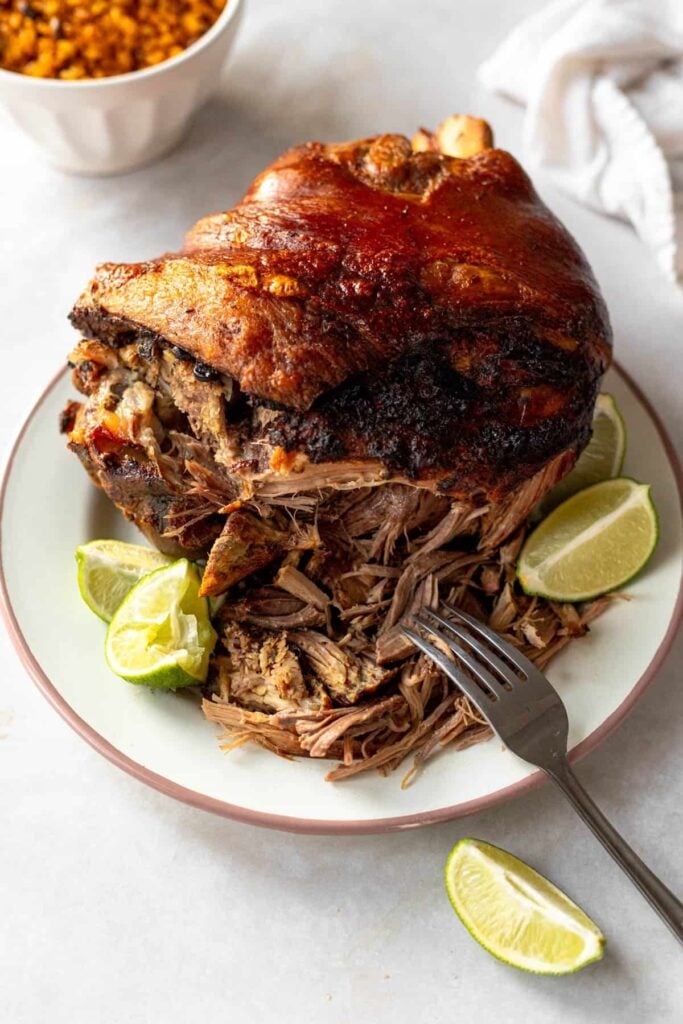
10. Pernil (Slow-Roasted Pork Shoulder)
Pernil is Puerto Rico’s famous slow-roasted pork shoulder.
You marinate the meat overnight in garlic, adobo seasoning, and citrus juices.
The pork cooks for many hours at low heat.
This makes the meat fall-apart tender while the skin becomes crispy.
You’ll find pernil at every Puerto Rican holiday and family gathering.
The dish combines sofrito, oregano, and other Caribbean spices for deep flavor.
The long cooking time is worth it.
You get juicy, seasoned pork that doesn’t need a knife to cut.

11. Asopao de Pollo (Chicken Stew Soup)
Asopao de Pollo is Puerto Rico’s ultimate comfort food.
This dish sits between a soup and stew, creating a hearty one-pot meal.
You’ll find tender chicken pieces mixed with rice in a rich broth.
The dish includes green olives, peas, and bell peppers for extra flavor.
This traditional recipe takes about an hour to make.
It feeds large families and works perfectly for special occasions or cold days.
The creamy texture comes from the rice cooking directly in the broth.
You can make this filling meal with simple ingredients found in most kitchens.

12. Tembleque (Coconut Pudding)
Tembleque is Puerto Rico’s beloved coconut pudding.
The name means “wobbly” in Spanish, which describes its jiggly texture perfectly.
You only need four basic ingredients: coconut milk, cornstarch, sugar, and salt.
The pudding takes about 15-20 minutes of active cooking time.
You cook the mixture on the stove until it thickens, then pour it into molds.
After chilling for at least two hours, you get a creamy dessert with a smooth, gelatinous consistency.
Cinnamon powder sprinkled on top adds the finishing touch to this refreshing tropical treat.

13. Bacalaitos (Codfish Fritters)
Bacalaitos are Puerto Rico’s famous codfish fritters that you’ll find at beach kiosks and street vendors across the island.
These crispy treats combine salted cod with a simple flour-based batter.
You make them by boiling and shredding salted codfish, then mixing it into batter with garlic, cilantro, and Puerto Rican seasonings like adobo.
The mixture gets spooned into hot oil and fried until golden brown.
The result is a crunchy exterior with tender, flaky fish inside.
You can enjoy bacalaitos as an appetizer, snack, or side dish with rice and beans.

14. Pinchos (Pork Skewers)
Pinchos are Puerto Rico’s answer to shish kebabs.
You’ll find these grilled pork skewers at street vendors throughout the island.
The pork gets marinated in garlic, vinegar, and spices.
This creates bold, savory flavors that make each bite delicious.
You grill the marinated pork chunks until they’re tender and charred.
The cooking process gives them a smoky taste that’s perfect for summer.
Traditionally, you eat pinchos with a slice of soft, warm bread.
This combination makes for a satisfying street food experience.

15. Sofrito Sauce
Sofrito serves as the flavor base for most Puerto Rican cooking.
You’ll find it in rice dishes, stews, and bean recipes across the island.
This aromatic sauce combines peppers, onions, garlic, cilantro, and culantro.
You blend these fresh ingredients with a little oil until smooth.
Making sofrito takes less than 10 minutes in your food processor.
You can freeze it for over three months, so make a large batch.
You’ll taste sofrito in traditional dishes like arroz con gandules and pollo guisado.
It adds authentic Puerto Rican flavor to any recipe.

16. Chillo Frito (Fried Red Snapper)
Chillo Frito brings crispy, golden perfection to your dinner table.
This Puerto Rican favorite uses whole red snapper seasoned with adobo, garlic, and lime juice.
The fish gets fried until the outside turns crispy while keeping the inside moist and flaky.
You can add sofrito for extra Caribbean flavor.
Serve your chillo frito with white rice, stewed beans, and tostones for a complete meal.
The mild taste and light texture make this dish perfect for seafood lovers.
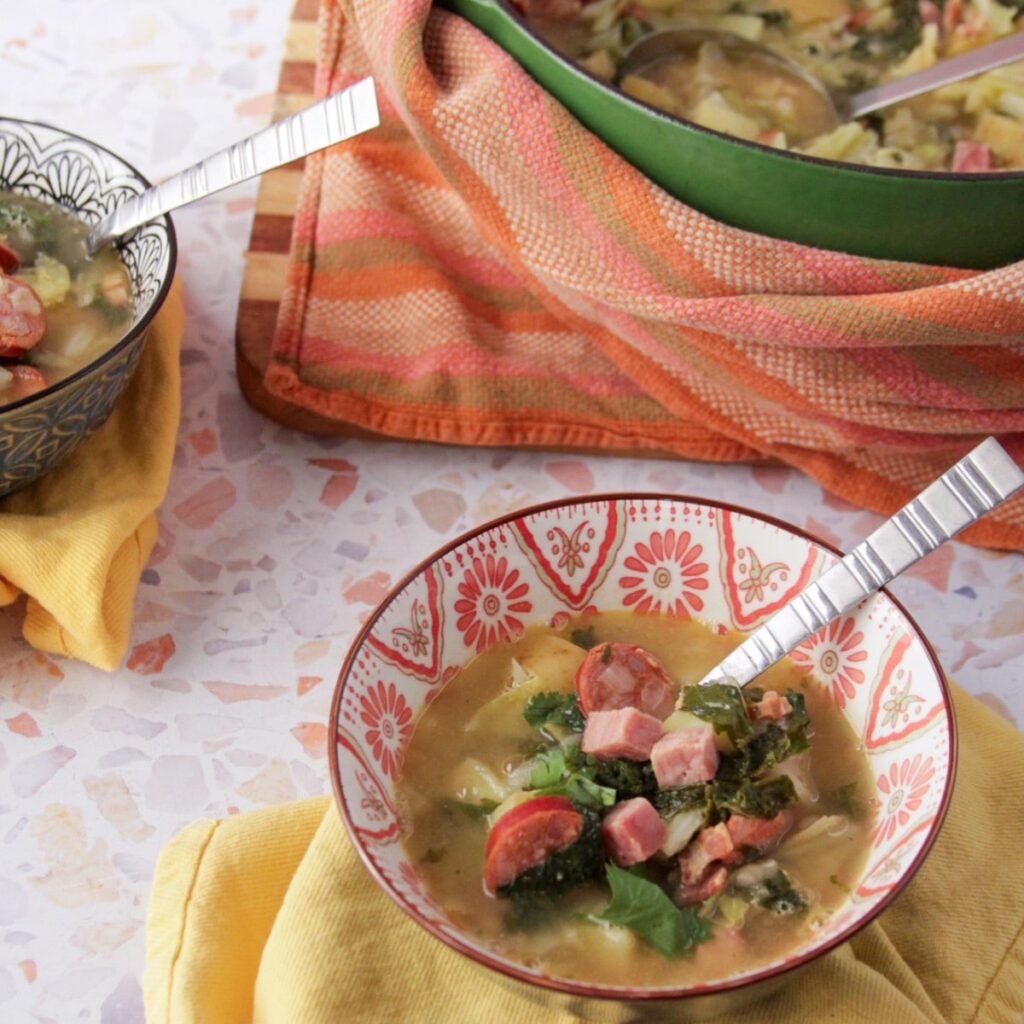
17. Caldo Gallego (Hearty Puerto Rican Soup)
Caldo Gallego is a thick, hearty soup that came to Puerto Rico from Spain’s Galicia region.
You’ll find this dish in restaurants across the island.
The soup combines white beans, chorizo, ham, and salt pork in a rich broth.
Green vegetables like cabbage and kale add color and nutrition.
You can make this filling soup by simmering all ingredients together for hours.
The long cooking time lets the flavors blend perfectly.
This warming dish works great on cold days when you want something satisfying.
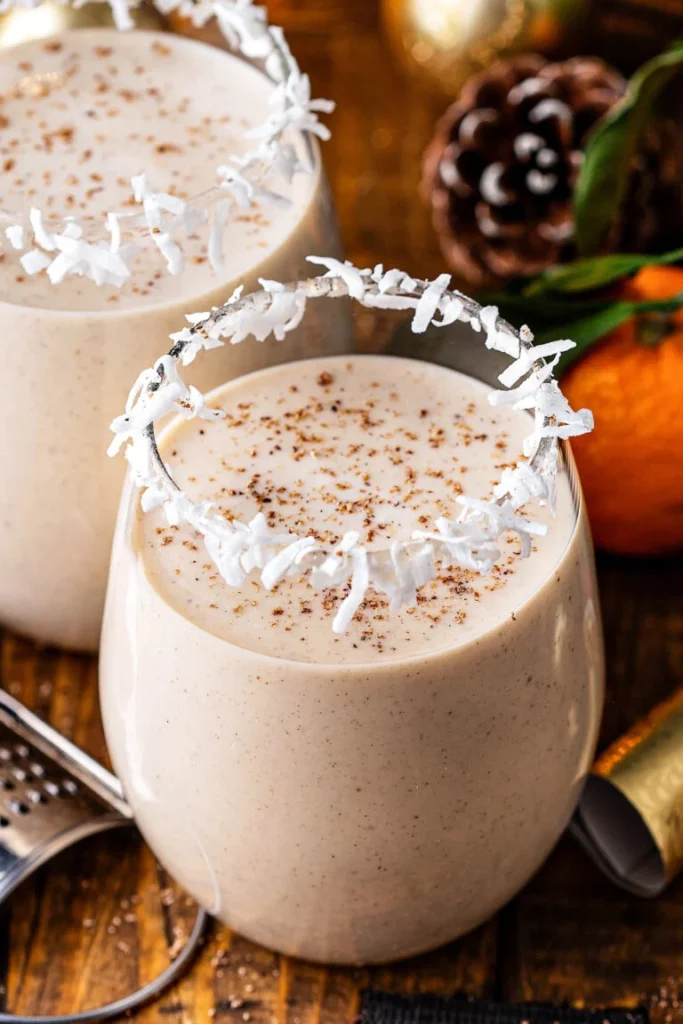
18. Coquito (Puerto Rican Coconut Eggnog)
Coquito is Puerto Rico’s version of eggnog.
This creamy holiday drink tastes rich and sweet.
You make it with coconut cream, sweetened condensed milk, and white rum.
Most recipes add cinnamon and vanilla for extra flavor.
The name means “little coconut” in Spanish.
People serve it during Christmas and New Year celebrations.
You blend all ingredients until smooth, then chill before serving.
Serve it in small glasses since it’s very rich and strong.

19. Carne Guisada (Puerto Rican Beef Stew)
Carne Guisada is Puerto Rico’s beloved comfort food.
You get tender beef chunks simmered in a rich, flavorful sauce.
The key ingredients include sofrito, sazon, and adobo seasoning.
These give the stew its authentic Puerto Rican taste.
You can add potatoes, carrots, and olives to make it hearty.
The beef becomes fork-tender after slow cooking.
This dish brings families together at dinner time.
You’ll love how the meat absorbs all the savory seasonings.

20. Quesitos (Sweet Cheese Pastries)
Quesitos are flaky puff pastries filled with sweet cream cheese.
The name means “little cheese” in Spanish.
These golden pastries have a crisp outside and creamy inside.
You’ll find them in Puerto Rican bakeries everywhere.
The pastries use simple ingredients like puff pastry and sweetened cream cheese.
They’re often glazed with sugar syrup for extra sweetness.
You can enjoy quesitos for breakfast or dessert.
They pair well with café con leche for a traditional Puerto Rican treat.

21. Flan de Queso (Cheese Flan)
Flan de Queso is Puerto Rico’s creamy twist on traditional flan. Cream cheese adds a tangy flavor that balances the sweet caramel.
This dessert combines evaporated milk, condensed milk, and eggs with cream cheese. The result tastes smoother and richer than regular flan.
Bake this elegant dessert ahead of time. Chill it until you’re ready to serve.
The golden caramel sauce tops this silky custard perfectly. Puerto Rican gatherings and celebrations often feature this favorite.
Foundations of Puerto Rican Cuisine
Puerto Rican food blends Spanish, African, and indigenous Taíno flavors through key ingredients like sofrito, plantains, and rice. Cooks use traditional methods passed down through generations, and recipes vary across different regions of the island.
Essential Ingredients in Puerto Rican Cooking
Sofrito forms the base of most Puerto Rican dishes. This aromatic blend contains cilantro, onions, garlic, bell peppers, and culantro.
You’ll find sofrito in rice dishes, stews, and bean preparations. It provides depth and fragrance to each meal.
Rice and beans appear in almost every Puerto Rican meal. Long-grain white rice pairs with red kidney beans, black beans, or pigeon peas (gandules).
These proteins provide filling, affordable nutrition. They remain staples on Puerto Rican tables.
Plantains serve multiple purposes in Puerto Rican cooking. Green plantains become tostones or mofongo when fried.
Sweet yellow plantains turn into maduros or desserts. Both forms add variety to meals.
Pork remains the most popular meat on the island. Pernil (roasted pork shoulder) and lechón (whole roasted pig) anchor many celebrations.
Chicken and beef also feature regularly. These meats offer versatility in traditional recipes.
Key seasonings include:
- Sazón (seasoning packets with annatto)
- Adobo (garlic-salt blend)
- Oregano
- Bay leaves
- Cumin
Traditional Cooking Methods
Slow cooking defines Puerto Rican cuisine. Stews like sancocho simmer for hours to develop deep flavors.
This method tenderizes tough cuts of meat and blends ingredients completely. Home cooks rely on patience for the best results.
Frying creates many beloved dishes. Use this technique for tostones, alcapurrias, and bacalaitos.
Cast iron pans work best for even heat distribution. Frying adds crisp texture and golden color to foods.
Roasting produces the island’s most famous dishes. Pernil roasts low and slow with garlic and oregano.
The skin becomes crispy while the meat stays juicy. Roasting brings out rich, savory flavors.
Steaming cooks pasteles during Christmas season. These corn masa bundles filled with pork steam wrapped in banana leaves.
The process takes several hours but creates tender results. Steaming preserves moisture and delicate flavor.
Regional Variations and Influences
Spanish influence shows in rice dishes and roasted meats. Paella techniques shape arroz con gandules preparation.
Garlic and olive oil feature prominently. These flavors reflect Spanish culinary roots.
African traditions contribute to seasoning blends and cooking methods. The mortar and pestle (pilón) for making sofrito comes from African practices.
Plantain preparations also have African roots. These methods remain central in Puerto Rican kitchens.
Taíno heritage appears in root vegetables like yautía and ñame. These indigenous ingredients still appear in modern stews and side dishes.
Regional differences exist across Puerto Rico:
- San Juan area: More international influences
- Mountain regions: Heavier use of root vegetables
- Coastal areas: More seafood and coconut
American influence since 1898 added processed ingredients like Spam and canned goods to traditional recipes.
Pairing and Serving Suggestions
Puerto Rican dishes taste best when served with traditional sides like rice, beans, and fried plantains. Cold tropical drinks and light beers help balance the rich flavors and spices found in most recipes.
Popular Side Dishes
Rice dishes form the foundation of most Puerto Rican meals. Serve arroz con gandules (rice with pigeon peas) alongside roasted meats like pernil.
Plain white rice works well with saucy dishes like pollo guisado or beef stew. The rice soaks up the flavorful broths.
Beans add protein and fiber to your plate. Red kidney beans pair perfectly with rice and meat dishes.
Serve beans whole or mashed as a side. They complement both mild and bold main courses.
Fried plantains come in two styles. Sweet maduros use ripe yellow plantains and taste almost like dessert.
Savory tostones use green plantains and have a crispy texture. Both variations add flavor and contrast.
Fresh salads cut through rich flavors. Try a simple tomato and onion salad with lime juice.
Avocado slices also work well on the side. Their creaminess balances spicy and salty dishes.
Ideal Beverage Pairings
Cold beer is the most popular drink choice. Light lagers like Medalla complement spicy foods without competing with bold flavors.
Tropical fruit drinks refresh your palate between bites. Fresh passion fruit juice, mango nectar, or coconut water work especially well with fried foods.
Café con leche pairs perfectly with sweet desserts like flan or tres leches cake. The coffee’s bitterness balances sugary treats.
Rum cocktails made with Puerto Rican rum enhance the island experience. Piña coladas or simple rum and Coke complement grilled meats and seafood dishes.
Frequently Asked Questions
Puerto Rican cooking involves specific techniques for dishes like mofongo and pernil. Key ingredients like sofrito and adobo appear in most recipes, and vegetarian options are available alongside traditional meat dishes.
What are some traditional dishes to try when exploring Puerto Rican cuisine?
Start with mofongo, a fried plantain dish often served with garlic sauce. This signature dish combines crispy plantains with garlic and pork cracklings.
Arroz con gandules is another must-try dish. This rice and pigeon pea combination is a staple at holiday meals and family gatherings.
Pernil, or slow-roasted pork shoulder, appears on most Puerto Rican tables during special occasions. The meat is marinated overnight and roasted until it falls apart easily.
Pastelón offers a Puerto Rican twist on lasagna using sweet plantains instead of pasta. Alcapurrias are crispy fritters made with yautía and taro root that make perfect appetizers.
How can one make a classic Puerto Rican Pernil at home?
Marinate the pork shoulder overnight in sofrito, garlic, adobo, and sazón. Make deep cuts in the meat so the flavors can penetrate throughout.
Rub the seasonings into every cut and crevice. Cover the meat tightly and refrigerate for at least 8 hours or overnight.
Roast the pernil in a slow oven at 300°F for several hours. The meat is ready when it pulls apart easily with a fork.
Are there vegetarian options in Puerto Rican cooking, and what are some examples?
You can enjoy many Puerto Rican dishes without meat. Tostones are twice-fried plantains that make a satisfying side dish or snack.
Yuca con mojo features boiled cassava root topped with a garlic and olive oil sauce. Rice and beans can be prepared without pork for a filling vegetarian meal.
Vegetarian mofongo uses vegetable broth instead of pork cracklings. You can also stuff it with sautéed vegetables or cheese.
What ingredients are essential to have on hand for authentic Puerto Rican recipes?
Stock your pantry with sofrito, a blend of peppers, onions, garlic, and cilantro. This base flavors most Puerto Rican dishes.
Adobo seasoning and sazón packets are crucial for authentic taste. Keep plantains, yuca, and other root vegetables on hand.
Goya products like adobo seasoning appear in many traditional recipes. Cilantro, garlic, and lime provide fresh flavors.
How does one prepare mofongo, a signature dish of Puerto Rico?
Start by frying green plantain slices until they’re golden and crispy. Let them cool slightly before the next step.
Mash the fried plantains in a wooden pilón with garlic, salt, and pork cracklings. Add small amounts of broth to reach your desired consistency.
Form the mixture into a bowl shape using the pilón. Fill the center with your choice of protein or garlic sauce.
Can you provide tips for making the perfect Puerto Rican arroz con gandules?
Sauté your sofrito first to build a flavor base. Stir the rice with the sofrito until each grain is coated.
Use the right liquid ratio—about 2 cups of broth for every cup of rice. Add the pigeon peas and seasonings before pouring in the liquid.
Let the rice come to a boil. Reduce the heat to low and cover.
Avoid lifting the lid during cooking. This keeps the important steam inside.