
Irish cooking offers comfort and warmth through simple, hearty dishes that have fed families for centuries. These traditional recipes use basic ingredients like potatoes, cabbage, and lamb to create meals that are both filling and flavorful.
You can bring the authentic taste of Ireland to your kitchen with these classic dishes that range from hearty stews and fresh breads to rich desserts and traditional breakfast foods. Whether you want to celebrate Irish culture or simply enjoy good food, these recipes will give you a true taste of Ireland’s cooking traditions.
1. Irish Stew
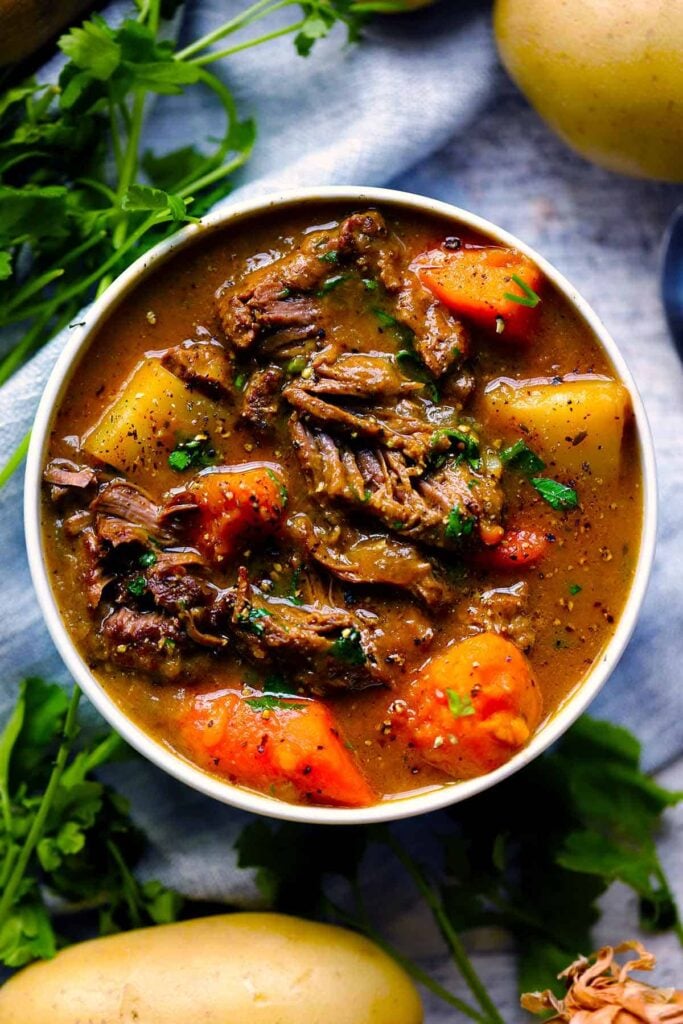
Irish stew stands as Ireland’s most beloved comfort food. This traditional dish has warmed Irish kitchens for generations.
You’ll need lamb or mutton as your main ingredient. Traditional recipes use only potatoes, onions, and water alongside the meat.
You slow-cook everything together until the lamb becomes tender and the flavors blend perfectly. Modern versions often add carrots and other root vegetables.
The result is a rich, hearty meal that’s perfect for cold days.

2. Colcannon
Colcannon is a classic Irish comfort food that combines creamy mashed potatoes with greens. You’ll mix sautéed cabbage or kale into smooth, buttery potatoes.
This simple dish uses basic ingredients like potatoes, butter, milk, and green vegetables. Many recipes add green onions for extra flavor.
You can serve colcannon as a hearty side dish with Irish stew. Some versions include bacon, which makes it filling enough for a main course.

3. Soda Bread
Irish soda bread is one of Ireland’s most loved breads. You can make it in under an hour without any yeast.
This bread uses simple ingredients like flour, baking soda, and buttermilk. The buttermilk and baking soda work together to make the bread rise.
You’ll get a crusty outside with a dense, soft inside. The bread has a slightly tangy taste from the buttermilk.
Serve your soda bread warm with butter or jam. You can also dunk it in soup for a hearty meal.

4. Boxty
Boxty is a traditional Irish potato pancake that dates back to the late 1700s. The name comes from the Irish phrase “arán bocht tí,” which means “poor house bread.”
You make boxty by combining both grated raw potatoes and mashed potatoes with buttermilk. This creates a unique texture that’s crispy on the outside and fluffy inside.
The dish originated in northern Ireland, particularly in counties Cavan and Donegal. You can serve boxty for breakfast, as a side dish, or even as a snack.

5. Coddle
Coddle is a traditional Dublin dish that dates back to the 1700s. You’ll find this hearty stew made with simple ingredients like sausages, bacon, potatoes, and onions.
The name comes from “coddling,” which means gently simmering the ingredients together. This cooking method makes everything tender and flavorful.
You can make coddle by slowly cooking all ingredients in seasoned broth. The dish came from Dublin’s working-class families who used whatever ingredients they had on hand.

6. Shepherd’s Pie
Shepherd’s pie is a classic Irish comfort food that warms you up on cold days. You layer rich gravy with lamb and vegetables under creamy mashed potatoes.
Traditional Irish shepherd’s pie uses ground lamb, not beef. The lamb simmers in gravy with carrots, peas, and onions.
You top everything with fluffy mashed potatoes and bake until golden brown. The dish makes perfect leftovers and works great for feeding a crowd.
7. Beef and Guinness Stew
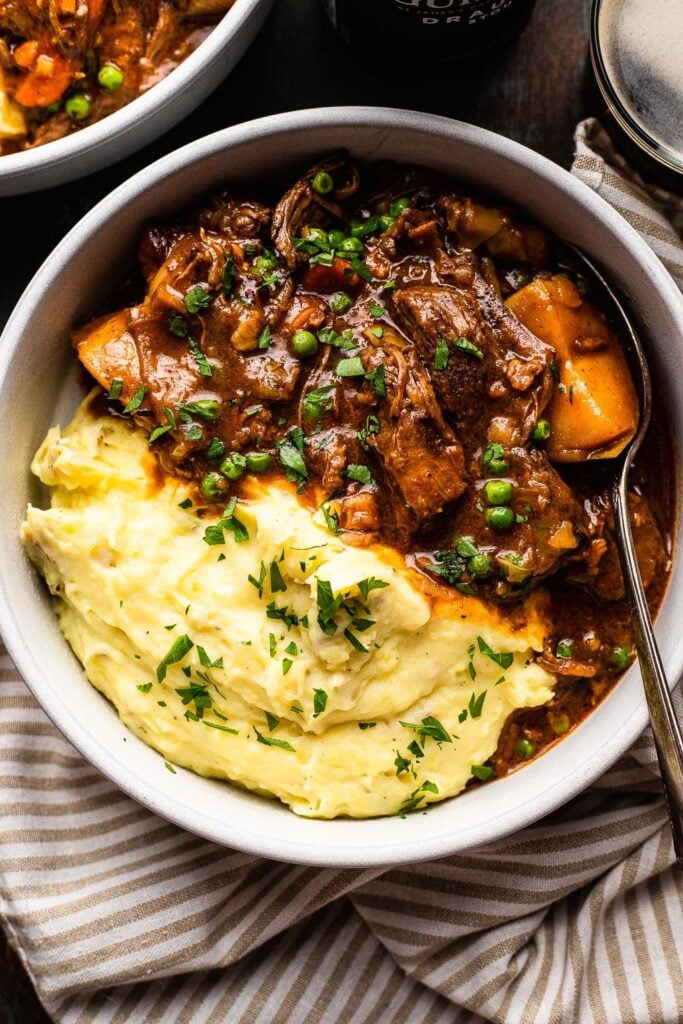
You’ll find this hearty stew on menus in Dublin pubs across the city. The dark stout beer adds deep, rich flavors to the tender beef and vegetables.
Traditional recipes use beef, carrots, potatoes, and onions. The Guinness creates a thick, flavorful gravy when simmered slowly.
You can serve this comforting dish with crusty Irish brown bread. Many cooks add a touch of brown sugar to balance the beer’s bitter notes.

8. Seafood Chowder
Irish seafood chowder is a creamy, hearty soup that celebrates Ireland’s coastal waters. You’ll find it served in seaside towns across the country.
The chowder combines fresh local seafood like salmon, cod, haddock, and prawns. Mussels and clams add extra flavor and texture.
Smoked fish gives the soup its signature rich taste. The creamy broth balances perfectly with tender vegetables and herbs.
You can make this comfort food using any combination of fresh seafood available to you.

9. Irish Breakfast
You’ll find the Irish breakfast is much more than a quick morning meal. It’s a hearty feast that fills you up for hours.
Your plate will include bacon, sausages, and fried eggs as the main items. You’ll also get black pudding, white pudding, and grilled tomatoes.
Potatoes come as hash browns or potato farls. You’ll have baked beans and Irish soda bread on the side.

10. Barmbrack
Barmbrack is a sweet Irish bread filled with tea-soaked dried fruit. The name means “speckled loaf” because of the fruit mixed throughout.
You soak raisins and other dried fruit in cold tea overnight. This makes the bread moist and gives it rich flavor.
Barmbrack is eaten most during Halloween in Ireland. You can enjoy it year-round with butter and tea.
The bread tastes like Christmas cake but lighter. You slice it thick and toast it for the best taste.

11. Irish Apple Cake
Irish Apple Cake comes from Ireland’s farmhouse kitchens. Each family had their own special recipe passed down through generations.
You make this cake with simple ingredients like apples, flour, butter, and cinnamon. Bramley apples work best for the authentic taste.
The cake has a tender crumb and warm spices. You can serve it plain or with traditional custard sauce.
This dessert was popular during apple harvest season. Irish families enjoyed it as a comforting treat with tea.
12. Carrageen Moss Pudding
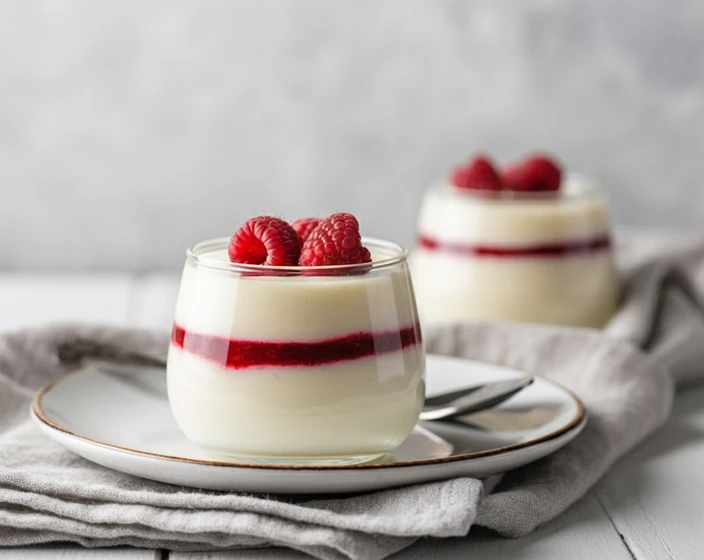
You can make this unique Irish dessert using carrageen moss, a type of seaweed found along Ireland’s coast. This traditional pudding works like gelatin to create a smooth, set dessert.
You soak the dried moss in warm water first. Then you cook it with milk, cream, and sugar until it thickens.
The pudding tastes creamy and mild. You can add vanilla for extra flavor or serve it with Irish whiskey sauce for a special touch.

13. Black and White Pudding
You’ll find black and white pudding on every proper Irish breakfast plate. Black pudding contains pork blood, fat, and oatmeal mixed with herbs and spices.
White pudding uses the same ingredients but leaves out the blood. Both have a rich, savory taste that pairs well with eggs and bacon.
You can slice and fry these traditional sausages until golden brown. They’ve been part of Irish cooking for hundreds of years.

14. Irish Soda Farls
Irish soda farls are a quick flatbread cooked on a griddle or pan. The word “farl” comes from Gaelic and means four parts.
You need just four simple ingredients: flour, salt, baking soda, and buttermilk. Mix them together to form a soft dough.
Shape the dough into a round circle and cut it into four pieces. Cook each piece on a dry griddle until golden brown.
You can eat soda farls fresh with butter and jam. They also work well in an Ulster fry breakfast.

15. Dublin Coddle
Dublin Coddle is a classic Irish comfort dish that dates back to the 1700s. You’ll find this hearty stew made with simple ingredients like sausages, bacon, potatoes, and onions.
The name comes from the word “coddle,” which means to boil gently or stew. This one-pot meal originated in Dublin’s working-class kitchens.
You can make this economical dish with leftover ingredients. The sausages, bacon, and vegetables simmer together in seasoned broth until tender and flavorful.

16. Irish Potato Soup
You can make this simple Irish soup with just potatoes, onions, and butter. It creates a creamy texture without fancy ingredients.
Use starchy potatoes like Russet or Idaho for the smoothest results. Cook diced onions in Irish butter first to build flavor.
Add chicken stock and let everything simmer until tender. Many recipes include celery for extra taste.
You can garnish your bowl with crispy bacon, sharp cheddar cheese, or fresh parsley. This warming soup works perfectly on cold days.

17. Corned Beef and Cabbage
Corned beef and cabbage is one of Ireland’s most beloved comfort foods. You can make this hearty dish by slowly cooking salted beef brisket with cabbage and spices.
This recipe transforms tough brisket into tender, flavorful meat. You cook everything low and slow in a large pot or Dutch oven.
You can add potatoes, carrots, and onions to make it a complete meal. The dish works well for weeknight dinners or St. Patrick’s Day celebrations.

18. Baileys Irish Cream Cheesecake
This creamy dessert brings together rich cheesecake with smooth Baileys Irish Cream. You’ll love how the Irish liqueur adds depth to the classic treat.
Most recipes use a chocolate cookie or graham cracker crust. The filling combines cream cheese, sugar, eggs, and Baileys for that signature flavor.
Many bakers top their cheesecake with chocolate ganache or whipped cream. The alcohol gives it a grown-up twist that’s perfect for special occasions.
You can make this dessert year-round, though it’s especially popular for St. Patrick’s Day celebrations.

19. Irish Lamb Stew
Irish lamb stew is one of Ireland’s most beloved comfort foods. You’ll find this hearty dish uses simple ingredients that create rich, warming flavors.
Traditional recipes call for lamb or mutton as the main protein. You can easily find lamb at most grocery stores, making it the popular choice today.
The classic version includes just lamb, potatoes, onions, and water. Some recipes add carrots and other root vegetables for extra flavor and nutrition.
You should cook this stew slowly to make the meat tender and develop deep flavors. It tastes even better the next day.

20. Champ
Champ is a traditional Irish comfort food that transforms simple mashed potatoes into something special. You combine creamy mashed potatoes with chopped green onions and plenty of butter.
This Northern Irish dish takes just 30 minutes to make. You need potatoes, scallions, milk, and Irish butter for the authentic version.
The green onions give the potatoes a mild peppery flavor. You can serve champ as a side dish with stews and roasted meats, or eat it on its own as a satisfying meal.

21. Crubeens (Pig’s Trotters)
Crubeens are boiled pig’s trotters that represent traditional Irish comfort food. The name comes from the Irish word “crúibín,” which means “little hoof.”
You cook them by simmering the trotters with onions, carrots, and herbs until tender. The front feet have more meat and are considered sweeter than the back legs.
These were once popular pub snacks eaten by hand with mustard or vinegar. You can serve them simply boiled or bread and fry them for a crispy outside.
Cultural Significance of Traditional Irish Cuisine
Irish food reflects centuries of cultural traditions and historical events. Specific dishes mark important celebrations, while ingredients tell stories of hardship and resilience.
Role in Irish Celebrations
Traditional Irish dishes serve as centerpieces for major cultural celebrations throughout the year. Each holiday brings its own special foods that connect families to their heritage.
St. Patrick’s Day features colcannon, a creamy potato dish mixed with cabbage or kale. You’ll also find Irish soda bread on tables across Ireland and around the world.
Christmas celebrations include spiced beef, a Cork tradition where beef is cured with spices for weeks. Irish Christmas cake, loaded with dried fruits and whiskey, appears at holiday gatherings.
Halloween traditions center around barmbrack, a sweet bread containing hidden objects. Each item predicts the finder’s future—a ring means marriage, while a coin brings wealth.
Harvest festivals showcase boxty, potato pancakes that celebrate the potato harvest. These griddle cakes appear at community gatherings and family dinners.
Wedding celebrations feature rich fruitcakes and traditional Irish stew served to large groups. These hearty dishes feed many people while honoring family recipes passed down through generations.
Historical Influences on Ingredients
Irish cuisine developed around ingredients that survived difficult historical periods. The potato became central after its introduction in the 16th century because it grew well in Ireland’s climate.
The Great Famine (1845-1852) shaped Irish cooking permanently. Many traditional recipes use simple, filling ingredients that were available during hard times.
Coastal communities relied heavily on seafood and seaweed. Dishes like Irish seafood chowder and dulse (dried seaweed) became staples in fishing villages.
Agricultural traditions emphasized dairy products from Ireland’s green pastures. Butter, cream, and cheese appear in countless traditional recipes because dairy farming thrived in the mild, wet climate.
Limited resources led to creative cooking methods. Irish cooks learned to make filling meals from basic ingredients like oats, barley, and root vegetables.
The influence of British rule introduced new cooking techniques. Irish cooks adapted foreign ingredients to local tastes, creating unique dishes that blend Irish tradition with outside influences.
Essential Ingredients and Cooking Techniques
Irish cooking relies on simple, fresh ingredients like potatoes, dairy, and herbs. The techniques focus on slow cooking and methods that bring out natural flavors.
Common Herbs and Spices
Traditional Irish dishes use minimal spicing compared to other cuisines. The focus stays on letting natural flavors shine through.
Parsley appears in most Irish recipes. You’ll find it chopped fresh over potatoes, mixed into colcannon, and stirred into stews.
It adds brightness to heavy dishes. Thyme works well with lamb and beef dishes.
Irish cooks use thyme in stews and roasts. The herb grows easily in Ireland’s climate.
Bay leaves go into slow-cooking dishes like Irish stew and coddle. They add depth without overpowering other ingredients.
Remove bay leaves before serving. Sage pairs with pork dishes and potato recipes.
You’ll taste sage in traditional sausages and stuffing recipes. Salt and black pepper form the base seasoning for most dishes.
Irish cooks avoid complex spice blends. They prefer simple combinations that highlight the main ingredients.
Traditional Cooking Methods
Irish cooking methods developed around hearth cooking and farm life. These techniques create the hearty, comforting dishes Ireland is known for.
Slow cooking works best for tough cuts of meat. Irish stew cooks for hours until the lamb becomes tender.
This method also helps vegetables break down and thicken the broth naturally. Boiling handles most potato dishes.
You’ll boil potatoes for colcannon, boxty, and simple sides. The water becomes cloudy with starch, which helps bind other ingredients.
Baking creates Irish soda bread and scones. The quick-bread method uses baking soda instead of yeast.
This works well in damp climates where yeast can be unreliable. Pan-frying cooks potato cakes, black pudding, and bacon.
Cast iron pans work best for getting crispy exteriors while keeping insides soft.
Frequently Asked Questions
People often wonder about traditional Irish dinner menus, cooking techniques, and which dishes work best for different occasions. These questions cover everything from simple home cooking to unique party dishes and modern recipe updates.
A traditional Irish dinner centers around hearty, simple ingredients. Irish stew forms the main course with tender lamb or beef, potatoes, and onions.
Colcannon appears as a popular side dish. This combines mashed potatoes with cabbage or kale and butter.
Soda bread serves as the traditional bread option. You’ll find it made with buttermilk and baking soda instead of yeast.
Many dinners include boiled bacon and cabbage. Root vegetables like carrots and turnips often accompany the meal.
How can one prepare simple Irish food recipes at home?
Start with basic ingredients you can find at most grocery stores. Potatoes, cabbage, onions, and butter form the base of many Irish dishes.
Soda bread requires only flour, buttermilk, baking soda, and salt. Mix the ingredients quickly and bake immediately for best results.
Colcannon needs potatoes, cabbage, butter, and milk. Mash everything together while the potatoes are still hot.
Irish stew works well in a slow cooker. Brown the meat first, then add vegetables and simmer for several hours.
What are some unique Irish dishes to serve at a dinner party?
Boxty makes an impressive starter or side dish. These potato pancakes combine grated raw potatoes with mashed potatoes and flour.
Coddle offers a unique Dublin specialty. This sausage and potato stew uses leftover ingredients and creates a filling main course.
Barmbrack serves as a festive bread with raisins and spices. Guests enjoy the sweet flavor and dense texture.
Shepherd’s pie with lamb provides a hearty centerpiece. Top it with creamy mashed potatoes for an authentic touch.
Which traditional Irish desserts are popular and how are they made?
Apple cake ranks as Ireland’s most beloved dessert. Mix sliced apples with basic cake batter and bake until golden.
Barmbrack appears during Halloween celebrations. This fruit bread contains raisins, sultanas, and traditional charms for fortune telling.
Porter cake uses dark beer for rich flavor. The beer adds moisture and depth to this dense, fruity cake.
Rice pudding serves as comfort food. Cook rice slowly in milk with sugar and vanilla until creamy.
Can you suggest Irish recipes suitable for a potluck gathering?
Colcannon travels well and feeds many people. Make it ahead and reheat before serving.
Soda bread requires no rising time. You can bake multiple loaves quickly for large groups.
Irish stew works perfectly in slow cookers. Transport the entire pot and keep it warm during the event.
Boxty can be made in advance and reheated. These potato pancakes stay crispy and flavorful.
What modern twists can be applied to classic Irish food recipes?
Add herbs like rosemary or thyme to traditional Irish stew. These herbs enhance the flavor without changing the basic recipe.
Use sweet potatoes in colcannon for extra nutrition. The orange color and mild sweetness create an interesting variation.
Make mini shepherd’s pies in muffin tins. These individual portions work well for parties and portion control.
Create Irish stew with chicken instead of lamb. This lighter version appeals to people who prefer poultry.