
Vegetables deserve to be the star of your meals, not just a side dish. Many people struggle to make vegetables taste exciting and flavorful.
With the right recipes and cooking techniques, you can transform ordinary vegetables into delicious dishes that your whole family will love.
This collection of 21 vegetable recipes includes everything from roasted and grilled options to creative dishes like tacos and fritters. You will discover new ways to prepare familiar vegetables like carrots and green beans.
You will also learn about cooking techniques for vegetables you might not use often. Each recipe focuses on bringing out the natural flavors of fresh produce while keeping preparation simple and enjoyable.
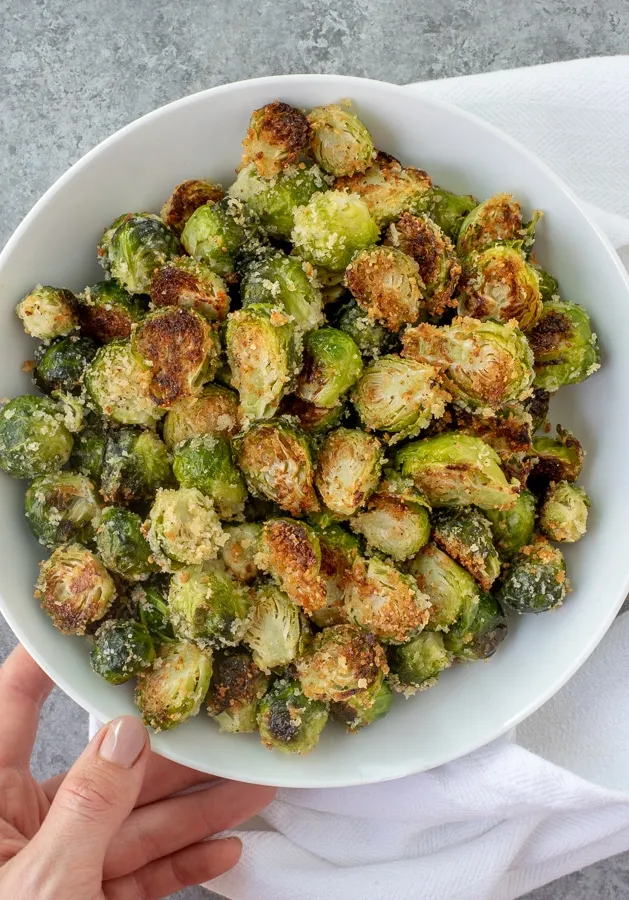
1. Roasted Garlic Parmesan Brussels Sprouts
Brussels sprouts become crispy and delicious when roasted with garlic and parmesan cheese. This recipe turns many people who dislike brussels sprouts into fans.
Cut your brussels sprouts in half first. Toss them with olive oil, salt, and pepper in a bowl.
Add garlic powder and grated parmesan cheese to coat each piece well. Some recipes include breadcrumbs for extra crunch.
Roast the brussels sprouts in a hot oven until they turn golden brown and crispy. This usually takes about 20-25 minutes.

2. Spicy Szechuan Green Beans
You can make these crispy green beans in just 15 minutes. They pack a spicy kick with lots of flavor.
Pan-fry the green beans until they’re crisp. Garlic, ginger, and red pepper flakes add the heat.
The beans stay crunchy while soaking up the spicy sauce. This side dish goes great with any meal.
Use simple ingredients you can find easily. Adjust the spice level to match what you like.

3. Classic Ratatouille
Ratatouille is a French dish that uses summer vegetables. Combine eggplant, zucchini, tomatoes, and bell peppers in one pot.
Cook the vegetables slowly with olive oil and herbs. This makes them tender and flavorful.
Serve ratatouille as a side dish or main meal. It works well for vegetarians too.
You can make it ahead of time and reheat it later.

4. Honey Glazed Carrots
Honey glazed carrots turn simple vegetables into something special. Combine butter and honey to create a sweet coating that brings out the carrots’ natural flavor.
This recipe takes about 20 minutes to make. Roast the carrots in the oven or cook them on the stovetop.
The honey creates a shiny glaze that caramelizes as it cooks. This makes the carrots tender and flavorful.
Add garlic for extra taste. The dish works well with any main course for dinner.

5. Creamy Spinach and Mushroom Gratin
This rich side dish combines spinach and mushrooms in a creamy cheese sauce. Bake it until golden and bubbly on top.
Use heavy cream, butter, and cheese to create the sauce. Fresh spinach and sliced mushrooms add flavor and nutrients.
Make this gratin with different cheeses like cheddar or parmesan. Some recipes add breadcrumbs for extra crunch.
This dish works well with rice, quinoa, or couscous. It takes about 20 minutes to bake in the oven.

6. Grilled Vegetable Skewers with Balsamic Glaze
These colorful skewers turn ordinary vegetables into something special. Use zucchini, bell peppers, mushrooms, cherry tomatoes, and red onions.
The balsamic glaze adds sweet and tangy flavors. It helps the vegetables get golden and slightly charred on the grill.
Thread the vegetables onto skewers and brush them with the glaze. Grill them for about 10-15 minutes, turning once.
Serve these skewers as a side dish with grilled chicken or steak. You can also serve them over rice as a main dish.

7. Sweet Potato and Black Bean Tacos
These vegetarian tacos pack serious flavor and nutrition. Roast cubed sweet potatoes until they’re tender and slightly crispy.
Black beans add protein and fiber to make the meal filling. Season both with cumin, chili powder, and lime juice.
The sweet potatoes balance perfectly with the earthy beans. Add avocado, cheese, or cilantro as toppings.
This recipe takes about 30 minutes total. It works great for weeknight dinners or meal prep.

8. Zucchini Noodles with Pesto
Zucchini noodles make a healthy pasta substitute. Create these “zoodles” using a spiralizer or vegetable peeler.
Fresh basil pesto pairs perfectly with zucchini’s mild flavor. The combination creates a light summer meal.
Serve zucchini noodles raw or lightly cooked. Cooking them for 2-3 minutes keeps them tender but not mushy.
Add cherry tomatoes for extra color and flavor. This dish works well as a main course or side dish for dinner.

9. Roasted Butternut Squash Soup
This soup brings comfort to cold days. Roast butternut squash with onions until they turn golden and sweet.
Roasting brings out natural sweetness in the squash. Your soup will taste rich without heavy cream.
Add carrots or sweet potatoes for extra flavor. Simple spices like salt, pepper, and thyme work well.
Blend the soup until smooth and creamy. Enjoy a warm, filling meal with bread or salad.

10. Crispy Cauliflower Buffalo Bites
These baked cauliflower bites make a perfect healthy snack. Coat cauliflower pieces in batter and bake them until golden.
The crispy coating gives you that satisfying crunch. After baking, toss the pieces in buffalo sauce.
Serve these bites as an appetizer at parties. They work great for game day too.
Pair them with ranch or blue cheese dressing for dipping. Enjoy all the flavor of buffalo wings without the meat.

11. Stuffed Bell Peppers with Quinoa and Vegetables
Create a healthy meal by filling bell peppers with quinoa and mixed vegetables. This dish works well for vegetarians and meat-eaters alike.
Cook quinoa in vegetable or chicken stock for extra flavor. Mix it with diced onions, corn, zucchini, and tomatoes.
Add herbs like cilantro and spices such as cumin to boost taste. Top with cheese if you want extra richness.
Bake the stuffed peppers for 25-30 minutes until tender. The peppers become colorful containers for this nutritious filling.

12. Caramelized Onion and Fennel Tart
This savory tart combines sweet onions with tender fennel on flaky pastry. Cook the vegetables slowly until they turn golden brown and develop rich flavors.
The fennel adds a mild licorice taste that pairs well with caramelized onions. Use puff pastry or make your own tart crust.
Cook the sliced onions and fennel for 20-30 minutes until they caramelize. Add herbs like thyme or parsley for extra flavor.
Serve this tart as an appetizer or main dish. Enjoy it warm with a green salad for a complete meal.

13. Sautéed Garlic Green Beans
You can make this classic side dish in just 20 minutes. Fresh green beans get pan-fried until they have a crisp-tender texture.
The garlic adds amazing flavor to every bite. Cook the beans in a hot pan with oil until they start to blister slightly.
This recipe works great for weeknight dinners or holiday meals. The green beans stay bright green and crunchy.
You only need a few simple ingredients like fresh green beans, garlic, and oil. The result is a tasty vegetable dish that even picky eaters will enjoy.

14. Beet and Goat Cheese Salad
This salad pairs sweet, earthy beets with creamy goat cheese. Use roasted beets from the store to save time.
Start with baby greens or arugula as your base. Add sliced roasted beets and crumbled goat cheese on top.
Walnuts or pistachios add crunch to the dish. A simple balsamic dressing brings all the flavors together.
This colorful salad works well for dinner parties or lunch. The mix of textures makes each bite interesting.

15. Crispy Roasted Chickpeas
Roasted chickpeas make a perfect protein-packed snack. They’re crispy, satisfying, and easy to customize with your favorite spices.
Start with canned chickpeas and drain them well. Pat them dry with paper towels to remove extra moisture.
Toss the chickpeas with olive oil and your chosen seasonings. Salt, garlic powder, and paprika work well together.
Spread them on a baking sheet in a single layer. Roast at 400°F for 20-30 minutes until golden and crunchy.
Use them as snacks or sprinkle on salads and grain bowls.

16. Eggplant Parmesan Stacks
These stacked towers bring a fresh twist to classic eggplant parmesan. Layer roasted eggplant slices with marinara sauce, mozzarella, and parmesan cheese.
This dish is lighter than traditional eggplant parmesan because you bake instead of fry the eggplant. You can make them gluten-free by skipping the breadcrumbs.
Stack your eggplant rounds with cheese and sauce, then bake until the cheese melts. They work as a main dish or appetizer and take about 30 minutes to make.

17. Stir-Fried Broccoli with Garlic Sauce
This quick dish takes less than 20 minutes to make. Cook fresh broccoli over high heat to keep it crisp.
The garlic sauce adds bold flavor without being heavy. Use soy sauce, garlic, and a few simple ingredients.
Serve this as a side dish with rice. It also works as a light main meal for vegetarian dinners.
The key is not overcooking the broccoli. You want it tender but still crunchy when you bite it.

18. Sweet Corn Fritters
You can make these crispy fritters with fresh, frozen, or canned corn. Mix corn kernels with flour, eggs, and a pinch of salt to create the batter.
Heat oil in a pan and drop spoonfuls of batter into the hot oil. Fry until golden brown on both sides.
These fritters work well as a side dish or snack. Serve them with breakfast foods or alongside grilled meats and salads.

19. Vegetable Fried Rice
Vegetable fried rice makes a perfect side dish or light meal. Use whatever vegetables you have in your fridge.
This dish works great with leftover rice. Use long grain or jasmine rice for the best results.
You can make it in just 15-20 minutes. Add scrambled eggs and soy sauce for extra flavor.
The recipe costs less than takeout. You control the ingredients and make it healthier at home.

20. Cauliflower Rice with Herbs
Cauliflower rice makes a perfect low-carb substitute for regular rice. Easily make it by grating fresh cauliflower or buying it pre-made.
Fresh herbs transform plain cauliflower rice into something special. Garlic, basil, and parsley work well together.
Cook the cauliflower rice in a pan with olive oil for about 5 minutes. Add your chosen herbs and season with salt and pepper.
Serve this dish as a side or main course. It pairs well with grilled chicken or fish.

21. Baked Ratatouille Casserole
Baked ratatouille casserole brings together fresh summer vegetables in one simple dish. Layer zucchini, eggplant, bell peppers, and tomatoes with herbs and seasonings.
This French-inspired recipe bakes everything together instead of cooking each vegetable separately. Add cheese on top for extra flavor.
The dish works well as a main course or side dish. Slice the vegetables and arrange them in a baking dish with marinara sauce.
Bake until the vegetables are tender and the flavors blend together perfectly.
Essential Tips for Cooking Vegetables
Getting the most flavor from your vegetables starts with picking fresh produce. Using the right cooking methods makes a big difference in taste and texture.
Simple techniques like proper timing and temperature control help improve your results.
Maximizing Flavor and Texture
Salt your vegetables early to draw out moisture and concentrate flavors. Sprinkle salt on cut vegetables 10-15 minutes before cooking.
Avoid overcooking your vegetables. Most vegetables taste best when they still have some bite to them.
Cut vegetables into similar sizes so they cook evenly. Large pieces take longer than small ones.
Heat your pan before adding vegetables. A hot surface creates better browning and prevents sticking.
Add acid at the end of cooking. Lemon juice, vinegar, or wine brighten flavors but can make vegetables mushy if added too early.
Use high heat for quick-cooking methods like sautéing. This keeps vegetables crisp and colorful.
Selecting Fresh Produce
Look for vegetables with bright colors and firm textures. Avoid anything with soft spots, wrinkles, or dark patches.
Fresh vegetables should feel heavy for their size. This means they have good moisture content.
Check the stems and leaves on vegetables like broccoli and cauliflower. They should look fresh and green, not yellow or wilted.
Smell your vegetables. Fresh produce has a clean, earthy smell.
Buy vegetables in season when possible. They taste better and cost less than out-of-season options.
Store different vegetables properly. Some need the fridge while others do better at room temperature.
Cooking Methods for Different Vegetables
Roasting works well for dense vegetables like potatoes, carrots, and squash. Use 400-425°F and cut pieces evenly.
Steam delicate vegetables like broccoli and green beans. This keeps them bright green and prevents nutrient loss.
Sauté quick-cooking vegetables like spinach, mushrooms, and bell peppers in a hot pan with a little oil.
Grill vegetables with firm textures like zucchini, eggplant, and corn. Brush with oil first to prevent sticking.
Blanch green vegetables in boiling salted water for 1-3 minutes. Then shock them in ice water to stop cooking.
Use raw preparations for tender vegetables like tomatoes, cucumbers, and lettuce in salads.
Nutritional Benefits of Vegetable-Based Dishes
Vegetables pack essential nutrients that support your body’s daily functions and long-term health. Plant-based meals deliver concentrated sources of vitamins, minerals, and fiber that boost your immune system and energy levels.
Key Vitamins and Minerals
Vegetables provide vitamin C, which helps your body heal wounds and fight infections. Bell peppers contain more vitamin C than oranges.
Citrus fruits get attention, but one red bell pepper gives you 190% of your daily vitamin C needs.
Dark leafy greens like spinach and kale deliver folate. This B vitamin helps make new cells and prevents birth defects.
One cup of cooked spinach provides 65% of your daily folate requirement.
Orange vegetables supply beta-carotene, which your body converts to vitamin A. Sweet potatoes, carrots, and butternut squash support healthy vision and skin.
A medium sweet potato contains over 400% of your daily vitamin A needs.
Vegetables also provide potassium for heart health and blood pressure control. Potatoes, tomatoes, and lima beans are top sources.
Most adults need 4,700mg of potassium daily, but only get about half that amount.
Cruciferous vegetables like broccoli and Brussels sprouts contain vitamin K for bone health. They also provide sulfur compounds that may help prevent cancer.
Vegetables for Plant-Based Diets
Plant-based eating requires careful planning to get complete nutrition. Vegetables help fill nutrient gaps when you reduce or eliminate animal products from your meals.
Protein combinations work best when you pair different plant foods. Beans and grains together provide all essential amino acids your body needs.
Add vegetables to these combinations for extra nutrients and fiber.
Iron absorption improves when you eat vitamin C-rich vegetables with iron sources. Pair spinach salad with bell peppers, or add tomatoes to lentil dishes.
This combination helps prevent iron deficiency on plant-based diets.
Calcium comes from dark leafy greens, broccoli, and bok choy. These vegetables provide calcium that your body absorbs well.
Collard greens offer more absorbable calcium per cup than milk.
B12 supplementation remains necessary for strict plant-based diets, since vegetables don’t contain this vitamin. Vegetables support B12 function by providing folate and other B vitamins that work together in your body.
Frequently Asked Questions
These questions cover everything from simple weeknight sides to elegant dishes for special events. You’ll find answers about seasonal options, healthy choices, and crowd-pleasing recipes that work for any occasion.
What are some easy-to-prepare vegetable side dishes suitable for beginners?
Honey glazed carrots are perfect for beginners. You simply cook carrots in butter and honey until tender.
Roasted vegetables require minimal prep work. Toss Brussels sprouts with olive oil, garlic, and parmesan, then roast for 20-25 minutes.
Steamed broccoli with lemon butter takes less than 10 minutes. Green beans sautéed with garlic make another quick option.
Can you suggest a few winter vegetable side dishes suitable for family dinners?
Creamy spinach and mushroom gratin works well for cold weather meals. The rich, warming dish pairs with most main courses.
Roasted root vegetables like carrots, parsnips, and potatoes are winter staples. Season them with herbs and roast until caramelized.
Braised cabbage with apples and onions provides comfort food appeal. Winter squash roasted with maple syrup offers natural sweetness.
What are the top gourmet vegetable side dishes perfect for a formal occasion?
Classic ratatouille elevates any dinner party menu. The French dish showcases multiple vegetables in an elegant presentation.
Asparagus with hollandaise sauce creates an upscale side dish. Truffle-roasted mushrooms add luxury to formal meals.
Grilled vegetable napoleons stack zucchini, eggplant, and tomatoes in layers. These dishes look restaurant-quality on your table.
How can I incorporate vegetables into dishes for catering large events?
Sheet pan roasting allows you to cook large quantities easily. Roast mixed vegetables like Brussels sprouts, carrots, and bell peppers together.
Vegetable gratins scale up well for crowds. Make multiple pans of spinach and mushroom gratin or potato-based dishes.
Cold vegetable salads work for buffet-style events. Mediterranean vegetable salad or roasted beet salad can sit at room temperature safely.
What are the healthiest vegetable side dishes to complement a balanced meal?
Steamed vegetables retain the most nutrients. Try steamed broccoli, green beans, or cauliflower with minimal added fats.
Spicy Szechuan green beans provide bold flavor without excess calories. The dish uses minimal oil and lots of vegetables.
Raw vegetable salads maximize vitamin content. Mix leafy greens with colorful vegetables and light vinaigrette dressings.
Could you recommend some vegetable dishes that are both unique and crowd-pleasers?
Spicy Szechuan green beans surprise people with bold Asian flavors. Green bean skeptics often become fans after trying this dish.
Brussels sprouts with bacon and balsamic glaze change minds about this vegetable. The sweet and salty combination appeals to most palates.
Stuffed bell peppers filled with quinoa and vegetables satisfy both vegetarians and meat eaters.
Rainbow vegetable stir-fry adds visual appeal to any meal.