
Vietnamese cuisine offers some of the world’s most balanced and flavorful dishes. The cooking style focuses on fresh herbs, vegetables, and light preparation methods that create healthy meals without heavy oils or dairy products.
This collection covers everything from famous street foods like bánh mì and fresh spring rolls to comforting soups, grilled meats, noodle dishes, and traditional desserts that you can make at home. You’ll discover recipes that range from quick weeknight meals to more complex dishes perfect for special occasions.
Learn about the key ingredients and cultural background that make Vietnamese food so special.
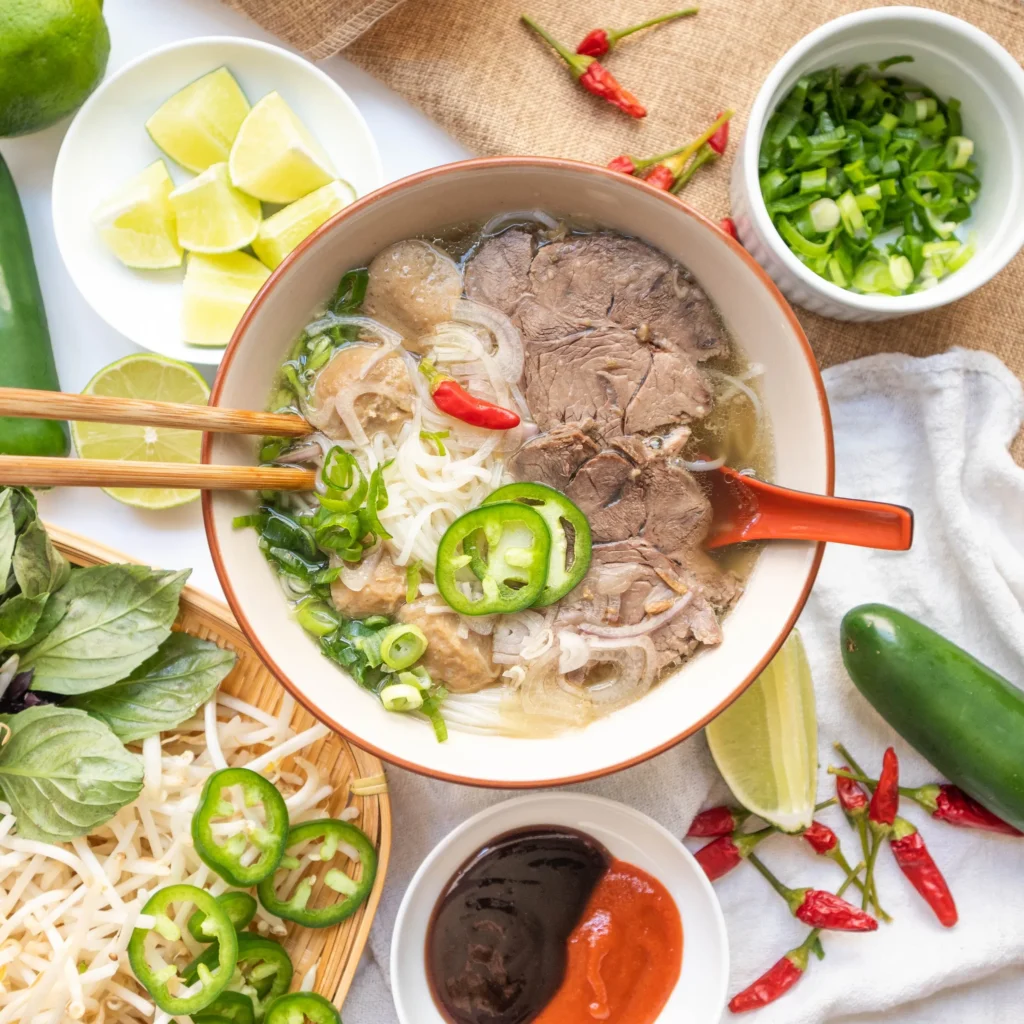
1. Phở Bò (Beef Noodle Soup)
Phở Bò is Vietnam’s national dish and most beloved noodle soup. You’ll find tender beef slices swimming in aromatic broth with soft rice noodles.
The clear broth takes hours to make properly. Beef bones simmer with spices like star anise and cinnamon to create deep flavor.
You can use different beef cuts including eye-round steak, brisket, or flank steak. Slice the meat paper-thin for quick cooking.
Fresh herbs like cilantro and Thai basil go on top. Add lime juice and chili sauce to taste.
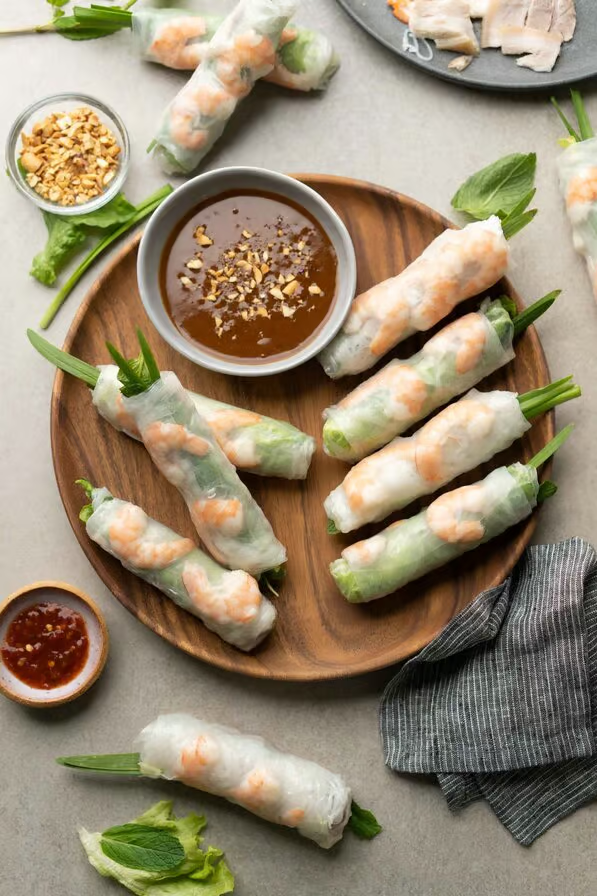
2. Gỏi Cuốn (Fresh Spring Rolls)
Gỏi Cuốn are Vietnam’s famous fresh spring rolls. You wrap shrimp, pork, rice noodles, and herbs in soft rice paper.
People also call these summer rolls. Serve them cold at room temperature.
The clear rice paper lets you see the colorful ingredients inside. Fresh mint, cilantro, and lettuce add crunch and flavor.
Dip these rolls in peanut sauce or fish sauce. They make a light appetizer or healthy snack perfect for hot weather.

3. Bánh Mì (Vietnamese Sandwich)
Bánh mì is Vietnam’s famous street food sandwich served on a crusty baguette. The name translates to “bread” in Vietnamese.
You’ll find layers of savory meats like pork belly or chicken inside. The sandwich includes pickled vegetables, fresh herbs like cilantro, and green onions.
Most versions have mayo and pate spread on the bread. Fresh chili peppers add heat and crunch.
The combination creates a perfect balance of textures and flavors. You get rich, salty, tangy, and fresh tastes in every bite.

4. Bún Chả (Grilled Pork with Vermicelli)
Bún chả is Hanoi’s most beloved dish. You’ll find grilled pork patties and sometimes pork belly served with rice vermicelli noodles.
The dish comes with fresh herbs and pickled vegetables. A sweet fish sauce dipping broth ties all the flavors together.
Unlike other Vietnamese noodle dishes, bún chả serves everything separately. Dip the noodles and pork into the sauce yourself.
Marinate the pork with garlic, fish sauce, and caramel sauce before grilling. This creates a smoky, slightly sweet flavor that makes the dish special.
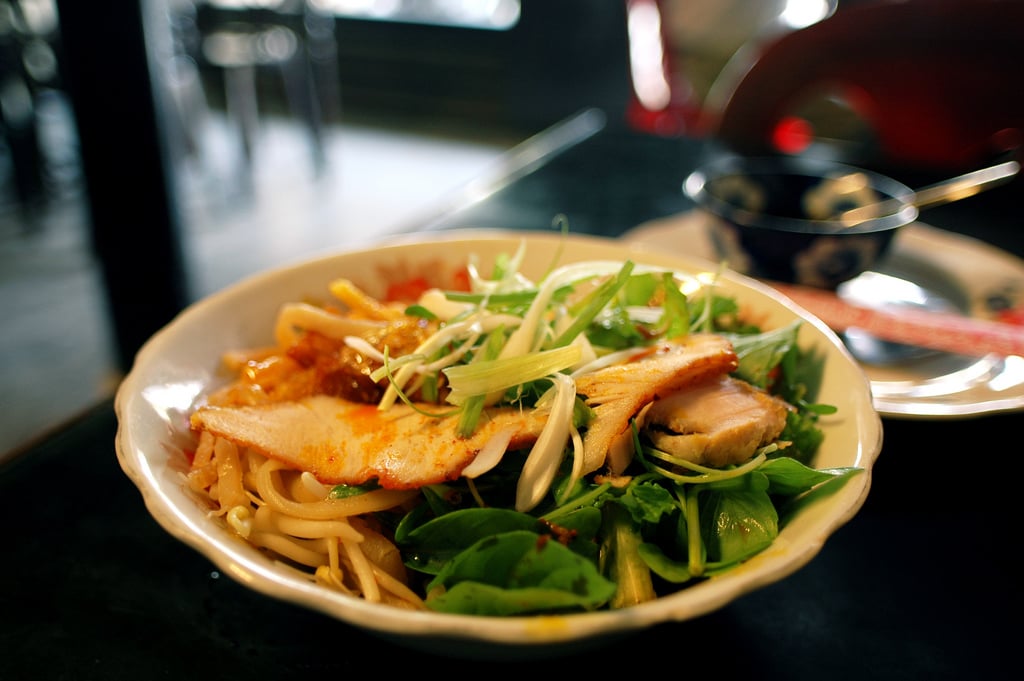
5. Cao Lầu (Hoi An Noodle Dish)
Cao Lầu comes from Hoi An, a historic trading town in central Vietnam. This noodle dish tells the story of the city’s rich cultural mix.
The dish uses thick, chewy rice noodles that feel different from regular pho noodles. You’ll find tender pork slices, fresh herbs, and crispy wonton crackers on top.
A light but flavorful broth brings everything together. The recipe reflects centuries of trade influences from Chinese and Japanese merchants who lived in Hoi An.
You can make this dish at home. Authentic noodles require special rice from the region.

6. Bánh Xèo (Vietnamese Sizzling Pancake)
Bánh xèo gets its name from the sizzling sound the batter makes when it hits the hot pan. These golden crepes are made with rice flour and turmeric.
You’ll find them stuffed with shrimp, pork, and bean sprouts. The pancakes have crispy edges and a savory filling inside.
Eat bánh xèo by wrapping pieces in lettuce leaves with fresh herbs like mint and basil. Dip each bite in nuoc cham sauce for the full experience.

7. Chả Giò (Fried Spring Rolls)
Chả giò are crispy Vietnamese spring rolls that make perfect appetizers. You wrap seasoned fillings in rice paper and deep fry them until golden.
The filling combines ground pork, shrimp, shredded carrots, and glass noodles. Some recipes add mushrooms and taro for extra flavor.
Serve these rolls with fresh herbs and dipping sauce. They appear at Vietnamese celebrations and family meals throughout the country.

8. Cơm Tấm (Broken Rice with Grilled Pork)
Cơm Tấm is a popular Vietnamese dish from southern Vietnam. The name means “broken rice” because it uses fractured rice grains.
You’ll find tender grilled pork chops served over fragrant steamed rice. The plate includes pickled vegetables, fresh cucumber, and tomato slices.
A sweet and tangy fish sauce drizzle ties all the flavors together. Many restaurants add extras like shredded pork skin or steamed egg meatloaf.
You can enjoy it for breakfast, lunch, or dinner in Vietnam.
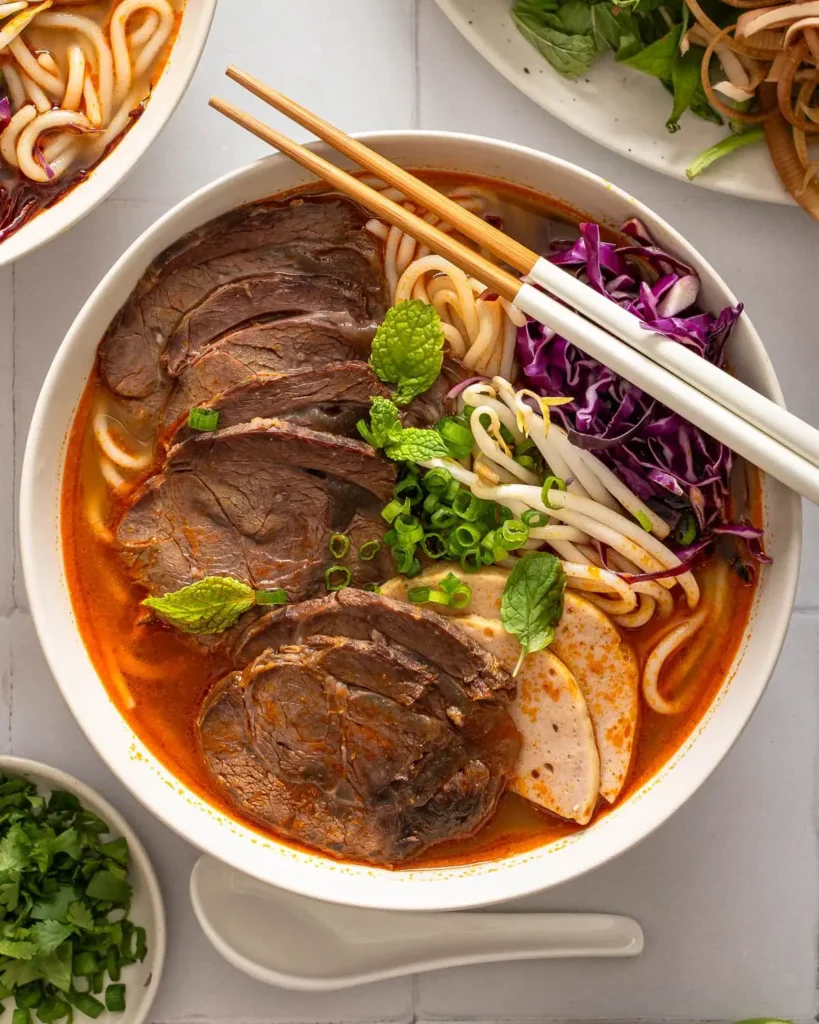
9. Bún Bò Huế (Spicy Beef Noodle Soup)
Bún Bò Huế comes from the city of Huế in central Vietnam. This soup is spicier than pho and has a bold, rich flavor.
The broth is made from beef bones, lemongrass, and chili oil. It gets its deep red color from the spices used.
You’ll find tender beef, pork, and thick round rice noodles in each bowl. The noodles are thicker than pho noodles.
Fresh herbs like cilantro and mint are served on the side. Add them to taste.

10. Canh Chua (Vietnamese Sour Soup)
Canh Chua is a tangy Vietnamese soup that comes from the Mekong Delta. You’ll taste sweet, sour, and savory flavors in every spoonful.
The soup gets its signature sour taste from tamarind. Fresh pineapple adds sweetness to balance the tartness.
You can make this soup with fish, pork, or shrimp. Vegetarian versions use tofu instead of meat.
Fresh herbs and vegetables make the broth bright and flavorful. You’ll find bean sprouts, tomatoes, and okra in most recipes.
This soup works as a main dish or side. It’s quick to prepare for weeknight dinners.

11. Nem Nướng (Grilled Pork Sausage)
Enjoy this popular Vietnamese street food made from ground pork mixed with garlic and fish sauce. The sausages have a springy texture and smoky flavor.
Grill them on skewers over charcoal for authentic taste. Or bake them in your oven for easier cooking.
Eat nem nướng as a snack or appetizer. They also work great in rice noodle bowls or banh mi sandwiches.
The sweet and garlicky flavors make these pork sausages a crowd favorite.

12. Bánh Cuốn (Steamed Rice Rolls)
Bánh cuốn are thin steamed rice rolls that make a perfect light meal or snack. These delicate rolls are filled with ground pork, wood ear mushrooms, and shallots.
The rice batter creates soft, almost transparent sheets when steamed. You can see the savory filling through the thin wrapper.
Serve these rolls hot with nuoc cham dipping sauce. Garnish with fresh herbs, bean sprouts, and fried shallots on top.

13. Gỏi Gà (Vietnamese Chicken Salad)
Enjoy this fresh Vietnamese chicken salad with its light, crunchy texture. The dish combines shredded poached chicken with crisp cabbage, carrots, and red onion.
Fresh herbs like mint, cilantro, and Vietnamese coriander add bright flavors. Roasted peanuts and fried shallots add extra crunch on top.
The tangy fish sauce dressing brings everything together. It’s sweet, salty, and slightly spicy all at once.
Serve this salad as a main dish or side. It’s perfect for hot days when you want something refreshing.

14. Bánh Tráng Nướng (Vietnamese Rice Paper Pizza)
Try this crispy Vietnamese street food that takes just 5 minutes to make. Rice paper serves as the base instead of traditional pizza dough.
Grill the rice paper until crunchy, then top it with scrambled egg and green onions. Add cheese, tuna, corn, or sausage based on your taste.
Popular toppings include mayo and sriracha or sweet chili sauce. This simple dish became a favorite among Vietnamese students and makes an excellent breakfast or snack.

15. Chè Ba Màu (Three-Color Dessert)
Chè Ba Màu is Vietnam’s famous layered dessert. The name means “three-color dessert” in Vietnamese.
This refreshing treat features distinct colorful layers. You’ll find red beans, mung beans, and green pandan jelly stacked in a glass.
Sweet coconut milk tops the layers. Crushed ice makes it perfect for hot days.
Each layer offers different textures and flavors. The beans are soft and sweet, while the pandan jelly adds a chewy element.
You can find this dessert at Vietnamese dessert shops. It’s also simple to make at home with basic ingredients.

16. Bánh Bao (Steamed Pork Buns)
Make these soft, pillowy steamed buns for breakfast or snacks. Bánh bao features fluffy dough wrapped around savory pork filling.
The filling includes ground pork, hard-boiled eggs, and Chinese sausage. Wood ear mushrooms add extra texture and flavor.
Vietnamese bánh bao differs from Chinese bao zi by using fish sauce instead of five-spice powder. This gives the buns their unique Vietnamese taste.
Freeze these buns and reheat them later. They work great for lunch boxes or quick meals throughout the week.

17. Bò Kho (Vietnamese Beef Stew)
Bò Kho is a hearty Vietnamese beef stew that brings comfort to any meal. You’ll find tender chunks of beef slow-cooked in a rich, flavorful broth.
The stew features aromatic spices like lemongrass, star anise, and ginger. These ingredients create a unique flavor.
Serve Bò Kho three different ways. Try it with crusty Vietnamese baguette for dipping, over steamed rice, or with noodles for a soup-style meal.

18. Mì Quảng (Turmeric Noodles)
Enjoy this special dish from Central Vietnam’s Quang Nam province. Mì Quảng features thick rice noodles colored yellow with turmeric.
The broth is light but flavorful. Toppings include shrimp, pork, and quail eggs.
Fresh herbs and vegetables come with every bowl. Roasted peanuts and sesame rice crackers add crunch.
This soup tastes different from pho. You’ll enjoy the mix of textures and bold flavors.

19. Hủ Tiếu (Clear Noodle Soup)
This Vietnamese noodle soup is popular in southern Vietnam. The clear broth tastes light but flavorful.
Hủ Tiếu uses rice noodles with pork and seafood toppings. You can order it as soup or dry without broth.
The dish came from Chinese and Cambodian cooking styles. Vietnamese cooks made it their own over time.
You’ll see bean sprouts, herbs, and hard-boiled quail eggs as common toppings. The broth cooks for hours to build flavor.

20. Lẩu (Vietnamese Hot Pot)
Lẩu brings families together around a shared pot of bubbling broth. You cook fresh ingredients right at the table.
The broth features lemongrass, ginger, and garlic for a tangy, aromatic base. Choose from seafood, chicken, beef, or vegetarian options.
Fresh herbs, thinly sliced meats, tofu, and vegetables go into the pot. Rice noodles and mushrooms are popular additions.
Customize each bite to your taste. This interactive meal creates a fun dining experience perfect for gatherings.

21. Bánh Tét (Sticky Rice Cake)
Bánh Tét is a traditional Vietnamese sticky rice cake enjoyed during Lunar New Year celebrations. This cylindrical cake is made with glutinous rice, mung beans, and pork belly.
Cooks wrap the ingredients tightly in banana leaves before cooking. The banana leaves create the cake’s distinctive round shape and add flavor during the long cooking process.
You’ll find this dish mainly in central and southern Vietnam. It takes several hours to prepare and cook, making it a special occasion food that families often make together.
Key Ingredients in Vietnamese Cooking
Vietnamese cooking relies on fresh herbs like cilantro and Thai basil. Umami-rich sauces such as fish sauce and hoisin, plus proteins like pork and shrimp paired with crisp vegetables, create the signature balance of sweet, sour, salty, and spicy flavors.
Essential Herbs and Spices
Fresh herbs form the backbone of Vietnamese cuisine. You’ll find cilantro, Thai basil, and mint in nearly every dish.
Cilantro adds a bright, citrusy note to soups and salads. Thai basil brings a sweet, anise-like flavor that’s different from regular basil.
Vietnamese mint (rau răm) has a spicy, peppery taste. Cooks use it in spring rolls and noodle bowls.
Key spices include star anise and cinnamon for pho broth. White pepper seasons dishes without overpowering delicate flavors.
Lemongrass provides citrus fragrance to marinades and curries. Galangal and ginger add warmth and depth to many recipes.
Garlic and shallots create aromatic bases for stir-fries and sauces.
Sauces and Condiments
Fish sauce (nuoc mam) is the most important condiment in Vietnamese cooking. This fermented anchovy sauce adds deep umami flavor to marinades, dipping sauces, and broths.
Hoisin sauce brings sweet and savory notes to dishes like pho and spring rolls. It’s made from soybeans, sugar, and spices.
Soy sauce provides saltiness and color. Vietnamese cooks prefer light soy sauce over dark varieties.
Rice vinegar adds the sour element to dipping sauces and pickled vegetables. Tamarind paste creates tangy, fruity flavors in soups and marinades.
Chili garlic sauce and sriracha provide heat and flavor. Many Vietnamese families make their own chili oil with dried chilies and garlic.
Popular Proteins and Vegetables
Pork appears in many forms—grilled, braised, or ground for spring rolls. Chicken works well in pho and stir-fries.
Shrimp and fish are staples in coastal Vietnamese cooking. Beef is essential for beef pho and grilled dishes.
Bean sprouts add crunch to pho and pad thai. Cabbage appears in fresh rolls and pickled preparations.
Carrots and daikon radish make pickled vegetables (do chua) for banh mi. Cucumber provides cooling freshness in salads.
Rice noodles come in various widths for different dishes. Rice paper wraps fresh spring rolls.
Tofu offers protein for vegetarian dishes.
Cultural Context of Vietnamese Cuisine
Vietnamese cooking reflects centuries of cultural mixing and local traditions. Each region developed its own flavors based on climate and history.
Ancient techniques continue to shape modern dishes.
Regional Culinary Differences
Vietnam’s three main regions create distinct food styles. Northern Vietnam features subtle flavors and darker broths.
Phở originated in the north with beef bones and star anise. Central Vietnam brings bold, spicy dishes.
The imperial city of Huế influenced this region’s complex recipes. Royal cooking techniques created intricate dishes with multiple layers of flavor.
Southern Vietnam offers sweeter, more varied cuisine. The Mekong Delta provides abundant fresh ingredients.
You’ll taste more herbs, tropical fruits, and coconut in southern dishes. French colonial influence appears strongest in the south.
Bánh mì sandwiches and coffee culture grew from this period. Chinese immigrants also shaped southern cooking methods and ingredients.
Traditional Cooking Techniques
Vietnamese cooks rely on balance above all else. Every dish aims to combine sweet, sour, salty, bitter, and spicy elements.
Fresh herbs and vegetables provide cooling effects against rich broths. Steaming preserves natural flavors in dishes like bánh cuốn.
Grilling over charcoal adds smoky depth to meats and seafood. Stir-frying happens quickly at high heat to keep vegetables crisp.
Fish sauce and rice form the foundation of Vietnamese cooking. You’ll find these in almost every meal.
Fresh herbs like cilantro, mint, and basil get added at serving time. Communal eating shapes how food gets prepared.
Large shared dishes encourage family bonding and respect for elders.
Frequently Asked Questions
What are some traditional Vietnamese dishes that are considered must-try?
Phở Bò stands as Vietnam’s most famous dish. This beef noodle soup features rice noodles in aromatic broth with herbs and spices.
Gỏi Cuốn offers a fresh, healthy option. These spring rolls contain shrimp, herbs, and vegetables wrapped in rice paper.
Bánh Mì combines French and Vietnamese flavors. This sandwich uses crusty bread filled with meats, pickled vegetables, and cilantro.
Bún Chả provides a perfect balance of flavors. Grilled pork serves with rice noodles and fresh herbs for dipping.
How can one prepare an authentic Pho at home?
Start with beef bones and char onions and ginger over open flame. Simmer the bones for 6-8 hours to create rich broth.
Add star anise, cinnamon, cloves, and fennel seeds. These spices give pho its signature taste.
Cook rice noodles separately and place in bowls. Pour hot broth over noodles and add thin beef slices.
Serve with bean sprouts, lime wedges, basil, and cilantro. Each person adds herbs and condiments to taste.
What are the key ingredients in a classic Vietnamese cuisine?
Fish sauce forms the foundation of Vietnamese flavors. This salty condiment appears in most dishes and marinades.
Rice serves as the main starch in various forms. You’ll find it as noodles, paper, or steamed grains.
Fresh herbs play a crucial role in every meal. Cilantro, mint, basil, and scallions add brightness to dishes.
Lime juice and rice vinegar provide acidity. These ingredients balance the rich and salty flavors.
Which Vietnamese dishes are best for vegetarians?
Gỏi Cuốn works perfectly without meat. Fill spring rolls with tofu, lettuce, herbs, and vermicelli noodles.
Vietnamese salads offer fresh, plant-based options. Green papaya salad combines vegetables with tangy dressing.
Vegetarian pho uses vegetable broth and tofu. The same aromatic spices create depth without meat.
Fresh rolls with avocado and cucumber provide protein and healthy fats. Peanut dipping sauce adds extra flavor.
What are the most popular Vietnamese desserts and how are they made?
Chè represents Vietnam’s most common dessert category. These sweet soups combine beans, tapioca, and coconut milk.
Bánh flan shows French influence on Vietnamese sweets. This caramel custard uses eggs, milk, and sugar.
Fresh fruit often ends Vietnamese meals. Mangoes, lychees, and dragon fruit provide natural sweetness.
Sticky rice desserts come in many varieties. Sweet rice combines with coconut, beans, or fruit for treats.
Can you recommend simple Vietnamese recipes for beginners?
Fresh spring rolls require no cooking skills. Soak rice paper and fill with vegetables and herbs.
Vietnamese salads use basic chopping techniques. Mix vegetables with fish sauce, lime juice, and sugar dressing.
Rice paper wraps make easy appetizers. Fill them with lettuce, herbs, and cooked shrimp or tofu.
For simple pho, use store-bought broth as a shortcut. Add rice noodles, herbs, and thin meat slices for quick meals.