
Starting your morning with a vegetarian breakfast can be both delicious and nutritious. These plant-based breakfast options provide protein, fiber, and essential vitamins to fuel your day without any meat.
Whether you prefer sweet or savory flavors, vegetarian breakfasts offer endless variety. You can enjoy everything from creamy smoothie bowls and hearty egg dishes to fresh toast combinations and baked goods.
These breakfast ideas range from quick five-minute meals to make-ahead options you can prepare the night before. Each recipe focuses on simple ingredients that taste great and keep you satisfied until lunch.

1. Avocado Toast with Cherry Tomatoes
You can make this simple breakfast in under 5 minutes. Mash ripe avocado on toasted bread and top with fresh cherry tomatoes.
Add a squeeze of lemon juice to keep the avocado green. The lemon also adds bright flavor.
This combo gives you healthy fats from avocado and vitamins from tomatoes. You get about 270 calories with 8 grams of protein and 6 grams of fiber per serving.

2. Vegetable and Cheese Frittata
A vegetable and cheese frittata makes an easy breakfast that works any time of day. You can use whatever vegetables you have in your fridge.
This dish combines eggs with fresh vegetables and your favorite cheese. It cooks in one pan, making cleanup simple.
You can make it ahead of time for busy mornings. The frittata tastes good warm or cold.

3. Greek Yogurt with Honey and Granola
Greek yogurt with honey and granola makes a simple protein-packed breakfast. You get 17 grams of protein in just 6 ounces of Greek yogurt.
Choose plain Greek yogurt for the best texture and less sugar. Add 2 tablespoons of honey for natural sweetness that balances the yogurt’s tartness.
Top with half a cup of granola for crunch. This breakfast takes only minutes to prepare and keeps you full until lunch.

4. Banana Oat Pancakes
You can make these pancakes by blending bananas and oats together. This creates a naturally sweet batter without added sugar.
The pancakes are fluffy and filling. They give you fiber from the oats and potassium from the bananas.
You can make them in a blender for easy cleanup. Just blend rolled oats, ripe bananas, and a little liquid until smooth.
These pancakes work well if you avoid gluten or dairy. Top them with fresh fruit or maple syrup for extra flavor.

5. Spinach and Mushroom Breakfast Burrito
This breakfast burrito combines earthy mushrooms with fresh spinach for a filling morning meal. You get protein and vitamins wrapped in a warm tortilla.
Sauté mushrooms until they develop rich flavor. Add spinach and cook until wilted.
The mushrooms provide a meaty texture while spinach adds nutrients. You can make this burrito in under 10 minutes.
Add scrambled eggs for extra protein or keep it vegan. Wrap everything in a soft tortilla for easy eating.
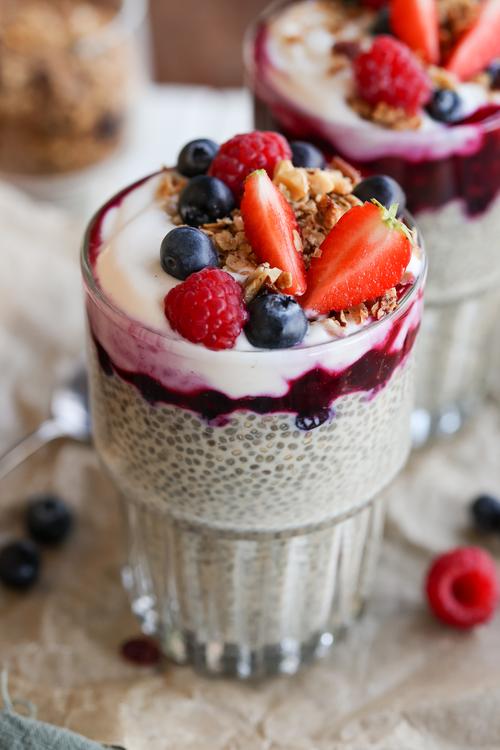
6. Chia Seed Pudding with Berries
You can make this nutritious breakfast the night before. Mix chia seeds with your favorite plant milk and let them soak overnight.
The seeds turn into a creamy pudding texture by morning. Chia seeds give you fiber, protein, and omega-3 fatty acids.
Top your pudding with fresh berries like blueberries or strawberries. The berries add natural sweetness and antioxidants.
This vegan breakfast works great for meal prep. You can grab it and go on busy mornings.
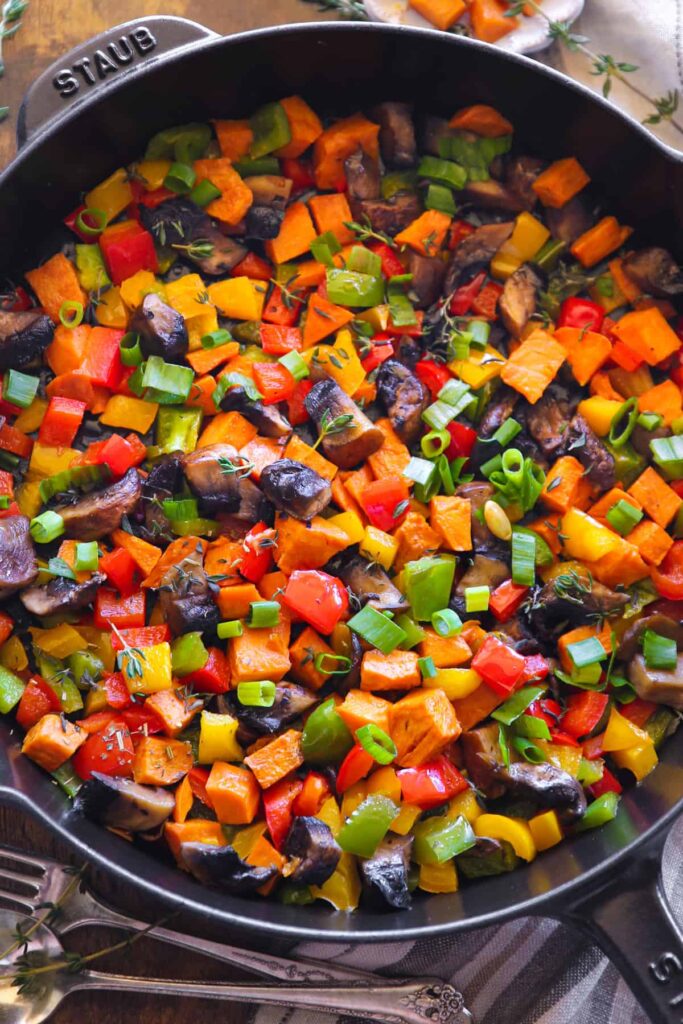
7. Sweet Potato Hash with Bell Peppers
This colorful breakfast combines sweet potatoes with crisp bell peppers for a filling meal. You can make it in one skillet in about 20 minutes.
Dice sweet potatoes and cook them first since they take longer to soften. Add chopped bell peppers, onions, and garlic after a few minutes.
Season with smoked paprika, salt, and pepper for extra flavor. The sweet potatoes become crispy on the outside while staying tender inside.
You can eat this hash on its own or top it with fried eggs for more protein.

8. Caprese Breakfast Sandwich
You can transform the classic Italian caprese into a perfect breakfast sandwich. Use fresh tomatoes, mozzarella cheese, and basil leaves on your favorite bread.
A buttery croissant works best for this vegetarian option. The flaky pastry pairs well with the creamy cheese and juicy tomatoes.
You can make it in just a few minutes. Simply layer the ingredients and toast lightly if you want the cheese melted.
This sandwich gives you protein from the mozzarella and fresh flavors to start your day.

9. Peanut Butter Banana Smoothie Bowl
This smoothie bowl combines frozen bananas with creamy peanut butter for a thick, spoon-able breakfast. You only need three basic ingredients: frozen bananas, peanut butter, and milk.
Blend the ingredients until thick and creamy. Pour into a bowl and add your favorite toppings like berries or granola.
The frozen bananas create a natural sweetness and ice cream-like texture. This dairy-free option provides protein and healthy fats to keep you full all morning.

10. Tofu Scramble with Turmeric and Veggies
Tofu scramble makes a perfect vegan breakfast that looks and tastes like scrambled eggs. You crumble firm tofu and cook it with your favorite vegetables.
Turmeric gives the dish a bright yellow color. It also adds healthy benefits to your morning meal.
You can add bell peppers, onions, spinach, or mushrooms. The vegetables make the dish more filling and nutritious.
This protein-packed breakfast takes less than 15 minutes to make. You can eat it plain or wrap it in a tortilla for a breakfast burrito.

11. Almond Butter and Apple Slices
This simple breakfast combines crisp apple slices with creamy almond butter. You get fiber from the apple and protein plus healthy fats from the almond butter.
Core your apple and cut it into slices. Spread almond butter on each piece.
You can sprinkle cinnamon on top for extra flavor. The prep takes just two minutes, making it perfect for busy mornings.

12. Cinnamon and Blueberry Overnight Oats
You can prepare these oats the night before for an easy breakfast. Mix old-fashioned oats with your choice of milk in a jar.
Add fresh or frozen blueberries and a pinch of cinnamon. The cinnamon pairs perfectly with the sweet-tart blueberries.
Let the mixture sit in your fridge overnight. The oats will absorb the liquid and become creamy by morning.
You can store these oats for up to three days in the refrigerator. Just grab a jar and go when you’re ready to eat.

13. Zucchini and Carrot Muffins
These veggie-packed muffins make a perfect breakfast choice. You get extra nutrition from both zucchini and carrots in every bite.
The vegetables keep the muffins moist and add natural sweetness. You can make them with whole wheat flour for more fiber.
These muffins work great for meal prep too. You can bake a batch and freeze them for busy mornings.
Many recipes use healthy ingredients like oats, yogurt, or maple syrup instead of lots of sugar. This makes them a guilt-free breakfast option.

14. Quinoa Breakfast Bowl with Nuts and Fruits
You can create a filling breakfast by combining cooked quinoa with fresh fruits and nuts. This meal gives you protein and fiber to keep you full until lunch.
Cook quinoa with almond milk and add cinnamon for extra flavor. Top your bowl with sliced bananas, berries, or seasonal fruits.
Add almonds, walnuts, or your favorite nuts for crunch. You can also include dried cranberries or coconut flakes for sweetness.
This breakfast works well for vegan and gluten-free diets. You can prepare the quinoa ahead of time to save morning prep.

15. Ricotta and Fig Toast
You can make this elegant breakfast in just 10 minutes. Start with crusty sourdough or seeded bread and toast it until golden.
Spread creamy ricotta cheese on top. Fresh figs work best when they’re in season during fall.
Slice them and arrange over the ricotta. Drizzle honey or maple syrup for sweetness.
Add chopped nuts like pistachios or almonds for crunch. A pinch of salt brings out the fig’s natural flavor.
This toast gives you protein from ricotta and fiber from figs. You can use vegan ricotta if you prefer a dairy-free option.

16. Tomato Basil Egg Muffins
These protein-packed muffins combine fresh tomatoes and basil for a flavorful breakfast option. You can make them ahead of time for busy mornings.
The eggs provide high-quality protein while the vegetables add nutrients and taste. Most recipes include cheese for extra flavor and calcium.
You bake these muffins in a standard muffin tin. They’re naturally low-carb and gluten-free.
These portable breakfast items reheat well in the microwave. You can customize them with different vegetables based on your preferences.

17. Pumpkin Spice Smoothie
You can make this fall-inspired smoothie in just five minutes. It combines pumpkin puree with warm spices like cinnamon, nutmeg, and ginger.
The smoothie works well as a vegan breakfast option. You can add oats to make it more filling.
Try adding vanilla protein powder or Greek yogurt for extra protein. A touch of maple syrup adds natural sweetness without refined sugar.
This thick, creamy drink tastes like pumpkin pie in a glass.

18. Baked Ratatouille with Eggs
This dish combines classic French vegetables with protein-rich eggs. You get zucchini, eggplant, bell peppers, and tomatoes in one pan.
Crack eggs directly into the vegetable mixture. The eggs bake right in the ratatouille for easy cooking.
You can add goat cheese or feta on top. Fresh herbs like basil make it taste even better.
This breakfast works well for feeding groups. Everything cooks together in one dish.

19. Whole Wheat Bagel with Cream Cheese and Cucumber
This simple breakfast combines wholesome ingredients for a refreshing start to your day. The whole wheat bagel provides fiber and nutrients that regular bagels lack.
Spread cream cheese evenly on your toasted bagel halves. Choose regular, light, or plant-based cream cheese based on your preferences.
Add thin cucumber slices on top of the cream cheese. The cucumber brings a cool, crisp texture that balances the creamy spread perfectly.
This combination offers protein, healthy carbs, and fresh vegetables in one easy meal.

20. Stuffed Bell Peppers with Brown Rice and Beans
You can enjoy stuffed bell peppers for breakfast by filling them with brown rice and beans. This protein-packed meal gives you energy to start your day.
Mix cooked brown rice with black beans or kidney beans. Add diced onions, tomatoes, and your favorite spices like cumin or paprika.
Cut the tops off bell peppers and remove the seeds. Stuff each pepper with the rice and bean mixture.
Bake at 375°F for 25-30 minutes until the peppers are tender. You can prep these the night before and reheat them in the morning.
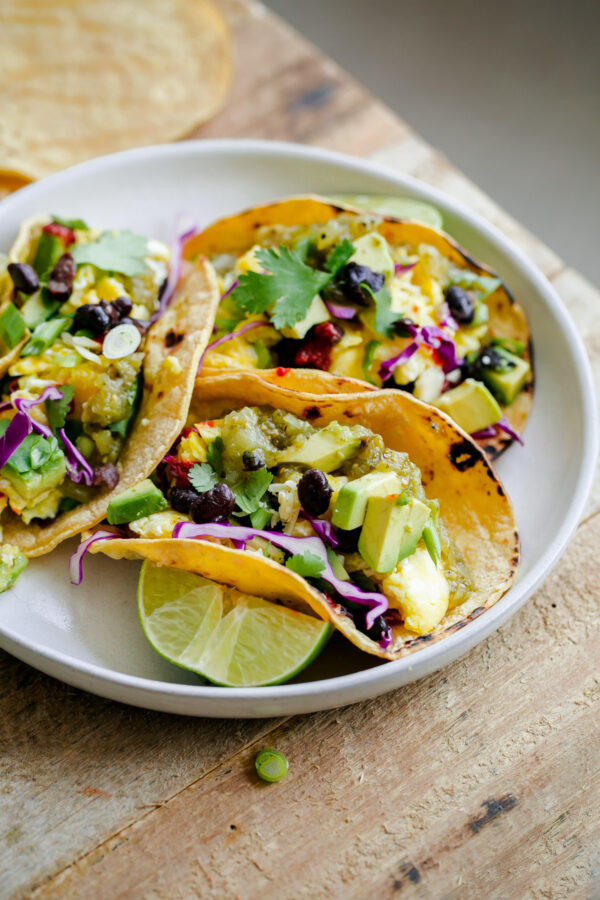
21. Vegetarian Breakfast Tacos with Salsa
You can make quick breakfast tacos in just 5 minutes with simple ingredients. Start with soft corn tortillas as your base.
Fill them with fluffy scrambled eggs and black beans for protein. Add fresh spinach or other vegetables like bell peppers and zucchini.
Top your tacos with fresh salsa and sliced avocado. You can also add cheese, cilantro, or hot sauce based on your taste.
These tacos work for breakfast, lunch, or dinner. They’re healthy and easy to customize with your favorite toppings.
Nutritional Benefits of Vegetarian Breakfasts
Vegetarian breakfasts provide complete proteins through smart food combinations. These plant-based meals deliver essential amino acids, healthy fats, complex carbohydrates, and fiber for sustained energy.
Protein Sources for Vegetarians
You can get plenty of protein from vegetarian breakfast foods. Eggs contain all nine essential amino acids your body needs.
Greek yogurt provides 15-20 grams of protein per serving. Plant-based proteins work well too.
Tofu scrambles give you about 10 grams of protein per serving. Quinoa contains complete proteins and adds 8 grams per cooked cup.
Protein-rich vegetarian breakfast options:
- Eggs: 6 grams per large egg
- Greek yogurt: 15-20 grams per cup
- Cottage cheese: 14 grams per half cup
- Tofu: 10 grams per 3.5 oz serving
- Quinoa: 8 grams per cooked cup
- Chia seeds: 4 grams per 2 tablespoons
Nuts and seeds boost protein content. Almond butter adds 4 grams per tablespoon.
Hemp seeds provide 5 grams per tablespoon. Combine different plant proteins to create complete amino acid profiles.
Try beans with whole grain toast or nut butter with oats.
Balancing Macronutrients in Breakfast
Your vegetarian breakfast should include carbohydrates, proteins, and healthy fats. This balance keeps you full and maintains steady blood sugar levels.
Complex carbohydrates provide lasting energy. Whole grain oats, quinoa, and whole wheat bread digest slowly.
They prevent energy crashes before lunch. Add healthy fats for satiety.
Avocado, nuts, and seeds contain omega-3 fatty acids. These fats help your body absorb fat-soluble vitamins.
Balanced breakfast example:
- Carbs: 1 cup oatmeal (30g)
- Protein: 2 tbsp almond butter (8g)
- Fat: 1 tbsp chia seeds (4g fat)
Fiber from fruits and vegetables aids digestion. Berries, bananas, and leafy greens add vitamins and minerals.
They also help you feel satisfied longer. Aim for 15-25 grams of protein, 45-65 grams of carbs, and 20-35% of calories from fat.
Tips for Preparing Quick and Satisfying Vegetarian Breakfasts
Preparing vegetarian breakfasts becomes simple when you prep ingredients ahead of time. Smart planning and ingredient knowledge save time while keeping meals tasty and healthy.
Meal Prep Strategies
Batch cook grains and proteins on Sunday for the entire week. Cook quinoa, oats, and hard-boiled eggs in large amounts.
Store them in the fridge for up to five days. This cuts morning prep time to just a few minutes.
Pre-cut vegetables like bell peppers, onions, and mushrooms. Keep them in clear containers so you can grab them quickly.
Frozen vegetables work just as well and last longer. They cook fast and keep their nutrients.
Make overnight oats in mason jars with different toppings. Try combinations like:
- Peanut butter and banana
- Berry and almond
- Apple cinnamon
Prepare smoothie packs by putting fruits and vegetables in freezer bags. Add liquid and blend when ready to drink.
Cook pancakes or waffles in batches on weekends. Freeze them and toast them during busy mornings.
Ingredient Swaps for Common Allergies
For gluten-free options, replace regular oats with certified gluten-free oats. Use almond flour instead of wheat flour in pancakes.
Quinoa works well as a breakfast grain instead of wheat-based cereals. Dairy-free swaps include plant milks like oat, almond, or soy milk.
Use coconut yogurt instead of regular yogurt. Nutritional yeast adds a cheese-like flavor to scrambled tofu or vegetable dishes.
Egg alternatives work well in many recipes:
- Ground flax mixed with water
- Chia seeds soaked in liquid
- Commercial egg replacers
- Mashed banana for sweet dishes
Nut-free options include sunflower seed butter instead of peanut or almond butter. Use coconut milk instead of nut milks.
Seeds like pumpkin or sunflower seeds provide protein and crunch without nuts.
Frequently Asked Questions
Many people have questions about making vegetarian breakfasts that meet their specific needs. These answers cover protein content, quick options, dietary restrictions, and family-friendly choices.
What are some high-protein vegetarian options for breakfast?
Eggs are one of the best protein sources for vegetarian breakfasts. A vegetable and cheese frittata gives you protein from both eggs and cheese.
Greek yogurt provides about 15-20 grams of protein per serving. Add nuts, seeds, or granola to boost the protein even more.
Cottage cheese mixed with fruit or vegetables offers another high-protein choice. Nut butters on whole grain toast also add protein to your morning meal.
Can you suggest quick vegetarian breakfasts for busy mornings?
Avocado toast takes less than 5 minutes to make. Just mash avocado on toast and add cherry tomatoes or other toppings.
Greek yogurt with honey and granola requires no cooking time. You can prepare it the night before and grab it on your way out.
Overnight oats soak while you sleep. Mix oats with milk, yogurt, and fruit in a jar for an instant breakfast.
What are some gluten-free vegetarian breakfast recipes?
Vegetable and cheese frittatas contain no gluten naturally. Use any vegetables you have on hand with eggs and cheese.
Greek yogurt with fruit and nuts is naturally gluten-free. Just check that your granola or toppings don’t contain wheat.
Make pancakes using oat flour instead of regular flour. Banana oat pancakes work well when you blend oats into flour first.
How can I make a balanced vegetarian breakfast for weight loss?
Focus on protein and fiber to help you feel full longer. Eggs with vegetables provide protein while keeping calories lower.
Greek yogurt has high protein and probiotics. Choose plain yogurt and add fresh fruit instead of sweetened versions.
Avocado toast on whole grain bread gives you healthy fats and fiber. The fiber helps you stay satisfied until lunch.
What are some kid-friendly vegetarian breakfasts?
Banana oat pancakes taste sweet and feel like a treat. Kids often enjoy the mild banana flavor and soft texture.
Make breakfast burritos with scrambled eggs and mild cheese. Let kids choose their own vegetable toppings.
French toast made with whole grain bread appeals to most children. Serve it with fresh fruit or a small amount of syrup.
Could you provide some examples of vegetarian breakfasts that are rich in fiber?
Oat-based breakfasts provide lots of fiber. You can make banana oat pancakes or overnight oats with whole oats as the base.
Avocado toast on whole grain bread combines fiber from both the bread and avocado. Add seeds or nuts for even more fiber.
Spinach and mushroom breakfast burritos use whole wheat tortillas. The vegetables add extra fiber to help with digestion.