
Chinese cooking at home doesn’t have to be complicated or intimidating. Many people think they need special skills or hard-to-find ingredients to make good Chinese food.
The truth is that most popular Chinese dishes use simple cooking methods and ingredients you can find at regular grocery stores.
You can create restaurant-quality Chinese meals in your own kitchen with the right recipes and basic techniques. From classic stir-fries and noodle dishes to comforting soups and dumplings, these recipes cover the most loved dishes from Chinese cuisine.
You’ll learn how to make everything from quick weeknight meals to more special dishes for family gatherings.

1. Kung Pao Chicken
Kung Pao Chicken is a classic Sichuan dish that combines tender chicken with peanuts and dried chilies. You can make this popular takeout favorite at home in less than 30 minutes.
The dish features a perfect balance of sweet, sour, salty, and spicy flavors. Stir-fry diced chicken with vegetables and toss everything in a savory sauce.
Traditional ingredients include Sichuan peppercorns, green onions, and roasted peanuts. The sauce typically combines soy sauce, vinegar, and a touch of sugar for authentic taste.

2. Sweet and Sour Chicken
Sweet and sour chicken brings together crispy fried chicken with a tangy sauce. This Chinese-American dish balances sweet and sour flavors perfectly.
Coat chicken pieces in batter and fry them until golden. The sauce combines pineapple, soy sauce, vinegar, and a touch of ketchup.
Most recipes include bell peppers and pineapple chunks. You can prepare this dish in about 30 minutes from start to finish.
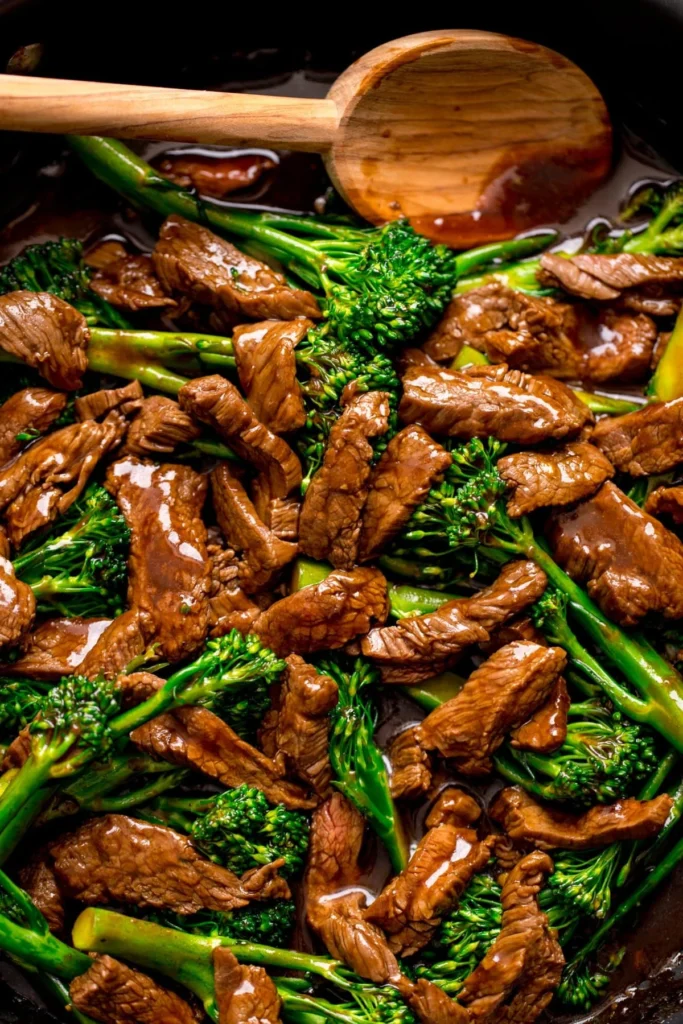
3. Beef and Broccoli Stir-Fry
This classic Chinese dish brings restaurant flavors to your kitchen in just 20 minutes. You get tender beef strips with crisp broccoli in a rich brown sauce.
Marinate your beef first to make it soft and flavorful. Use flank steak or sirloin cut into thin strips.
Blanch your broccoli quickly to keep it bright green and crunchy. Cook everything in a hot wok or large pan.
The sauce combines soy sauce, oyster sauce, and cornstarch for thickness. This creates the glossy coating you see in restaurants.

4. General Tso’s Chicken
General Tso’s Chicken is a popular Chinese-American dish that you can easily make at home. The dish features crispy fried chicken pieces coated in a sweet and spicy sauce.
Coat chicken pieces in batter and fry them until golden. Toss the crispy chicken in a sticky glaze made with soy sauce, sugar, garlic, and chiles.
The sauce delivers a perfect balance of sweet, salty, and spicy flavors. You can make this takeout favorite in about 30 minutes using basic pantry ingredients.

5. Shrimp Fried Rice
Shrimp fried rice is one of the most popular Chinese dishes in America. Make this restaurant-style dish at home in just 30 minutes.
Use medium-sized shrimp for the best results. Day-old rice works better than fresh rice because it’s less sticky.
Add vegetables like peas and carrots for color and nutrition. Cook the shrimp first, then set them aside while you fry the rice.
Use high heat and quick cooking to keep the rice from getting mushy and to achieve authentic takeout taste.

6. Mapo Tofu
Mapo tofu is a classic Sichuan dish that brings serious heat to your dinner table. You get soft tofu cubes in a spicy sauce with ground pork or beef.
The dish uses doubanjiang, Sichuan peppercorns, and chili oil for its bold flavor. These ingredients create the numbing sensation Sichuan food is known for.
You can make this restaurant favorite at home in about 30 minutes. Serve it over steamed rice to balance the spicy, savory sauce.

7. Egg Drop Soup
Make restaurant-quality egg drop soup at home in just 10 minutes. This classic Chinese soup features silky egg ribbons floating in savory chicken broth.
Slowly whisk beaten eggs into boiling broth to create the signature delicate egg strands. These strands give the soup its name.
You only need four basic ingredients: eggs, chicken broth, salt, and white pepper. Green onions and sesame oil make perfect garnishes for extra flavor.

8. Hot and Sour Soup
Hot and sour soup combines tangy and spicy flavors in one bowl. Make this classic Chinese dish at home in just 15-20 minutes.
The soup includes tofu, mushrooms, and bamboo shoots in a peppery broth. Adjust the spice and sourness to match your taste.
Common ingredients are white pepper for heat and rice vinegar for the sour taste. The soup works great for cold days or when you feel sick.

9. Chinese Dumplings
Chinese dumplings are perfect for home cooking. Steam, boil, or pan-fry them based on your taste.
Use ground pork and cabbage for the filling. Wrap this mixture in thin dough wrappers.
Making dumplings is fun with family and friends. Buy pre-made wrappers to save time.
Popular types include potstickers and steamed dumplings. Each type has a different cooking method but uses similar ingredients.

10. Scallion Pancakes
Scallion pancakes are crispy on the outside and chewy inside. Make them with flour, water, salt, and fresh green onions.
These pancakes work great as snacks or appetizers. Serve them with Chinese meals or eat them alone.
Layer the dough with scallions and oil, then roll it up and flatten it before cooking. This creates flaky layers that taste amazing.
Make your own dipping sauce with soy sauce and vinegar. Fresh scallions give the best flavor and bright green color.

11. Lo Mein Noodles
Lo mein means “mixed noodles” in Chinese. Make this popular dish at home in just 15 minutes.
The dish uses soft egg noodles tossed with vegetables and protein. Stir-fry everything in a savory soy-based sauce.
Add chicken, beef, pork, shrimp, or tofu to your lo mein. Common vegetables include broccoli, carrots, and bell peppers.
Use fresh ingredients and avoid overcooking the noodles for the best results.

12. Peking Duck
Peking duck is one of China’s most famous dishes. It features crispy skin and tender meat that makes it special.
Season a whole duck with spices, then steam it before roasting. Roasting creates the golden, crispy skin that people love.
This dish dates back to the Yuan dynasty. You can cook it at home without special equipment.
Serve Peking duck with thin pancakes and sauce. The combination of flavors makes it worth the effort.

13. Char Siu (Chinese BBQ Pork)
Char siu is a sweet and savory Cantonese BBQ pork dish. Marinate pork shoulder or tenderloin in a sauce made with soy sauce, honey, rice wine, and brown sugar.
The marinade creates a sticky glaze when cooked. Make this dish in your oven or air fryer at home.
The pork turns tender and juicy with a rich flavor. Eat char siu on its own, add it to fried rice, or use it in noodle dishes.

14. Ma Po Eggplant
Ma Po Eggplant brings the bold flavors of Sichuan cuisine to your kitchen. This dish uses tender eggplant instead of tofu in the classic ma po recipe.
Use Chinese or globe eggplant for best results. The eggplant soaks up the spicy, savory sauce made with ground pork and fermented black beans.
The dish features Sichuan peppercorns that create a tingling sensation. Make it in 30 minutes for a quick weeknight meal.
Serve ma po eggplant over steamed rice to balance the heat and bold flavors.

15. Szechuan Chicken
Szechuan chicken brings bold, spicy flavors from China’s Sichuan province to your kitchen. This dish combines tender chicken with dried chilies and numbing Szechuan peppercorns.
Make this takeout favorite in under 30 minutes. Shallow-fry the chicken until golden, then toss it with garlic, ginger, and bell peppers in a spicy-sweet sauce.
The signature tingling sensation comes from authentic Szechuan peppercorns. Adjust the heat level to match your family’s taste preferences.
Serve your homemade Szechuan chicken over rice with steamed vegetables for a complete meal.

16. Steamed Pork Buns (Baozi)
Steamed pork buns are soft Chinese buns filled with savory pork and cabbage. Make these fluffy baozi at home with simple ingredients.
The dough uses basic flour, water, and yeast. The filling combines ground pork with napa cabbage and seasonings.
Shape the dough around the filling and steam the buns until they become white and springy. The process takes about two hours including proofing time.
These homemade buns taste fresh and can be frozen for later meals.

17. Chinese Garlic Green Beans
Chinese garlic green beans make a perfect side dish for any meal. Cook them in just 10 minutes with simple ingredients.
Quickly stir-fry the green beans until they blister slightly. This keeps them tender inside while creating a nice texture outside.
Use fresh green beans, garlic, soy sauce, and oyster sauce. Some recipes add ginger for extra flavor.
Heat oil in your pan and add sliced garlic first. Then add the trimmed green beans and stir-fry quickly. Finish with your sauces.

18. Crispy Orange Chicken
Orange chicken brings restaurant flavors to your kitchen. Coat bite-sized chicken pieces in a light batter and fry until golden.
The sauce combines fresh orange juice, soy sauce, and brown sugar. Garlic and ginger add depth to the sweet and tangy glaze.
Use chicken thighs for extra tenderness. The crispy coating holds the sticky orange sauce perfectly.
Serve over steamed rice for a complete meal.

19. Honey Walnut Shrimp
You can make this popular Chinese restaurant dish at home easily. The recipe combines crispy fried shrimp with sweet candied walnuts.
Coat the shrimp in batter and fry until golden. Toss it with a creamy honey sauce that’s both sweet and savory.
Candied walnuts add crunch to every bite. Prepare the whole dish in about 30 minutes.
Serve it with steamed rice and vegetables for a complete meal.

20. Chow Mein
Chow mein is a classic Chinese stir-fried noodle dish you can make at home. The name means “fried noodles” in Chinese.
Use fresh or dried wheat noodles as your base. Cook them until tender, then drain well.
The sauce combines soy sauce, oyster sauce, and a touch of sugar. Some recipes add sesame oil for extra flavor.
Stir-fry your choice of protein like chicken, beef, or shrimp first. Add vegetables like cabbage, carrots, and bean sprouts.
Toss everything with the cooked noodles and sauce over high heat. This creates the signature smoky flavor of restaurant-style chow mein.

21. Braised Beef Noodle Soup
This Chinese comfort food combines tender beef with rich, flavorful broth. Slow-braise beef shank or brisket until it becomes fork-tender.
The broth gets its depth from soy sauce, Chinese wine, and aromatic spices like star anise and ginger. Add vegetables like bok choy for extra nutrition.
Choose thick wheat noodles that hold up well in the hearty broth. The cooking process takes time, but the results are worth the wait.
Essential Ingredients for Authentic Chinese Cooking
Chinese cooking relies on specific sauces, fresh proteins, and the right starches to create balanced flavors. Soy sauce, oyster sauce, and sesame oil form the foundation of most dishes.
Fresh ginger and garlic add aromatic depth.
Staple Sauces and Condiments
Soy sauce serves as the base for most Chinese dishes. Use both light soy sauce for seasoning and dark soy sauce for color.
Light soy sauce adds salt and umami flavor. Dark soy sauce gives dishes their rich brown color.
Oyster sauce brings sweetness and depth to stir-fries. This thick sauce works well with vegetables and meat dishes.
It contains oyster extracts that add a savory taste.
Sesame oil provides nutty flavor and aroma. Add just a few drops at the end of cooking.
Too much sesame oil can overpower your dish.
Rice wine helps tenderize meat and adds subtle sweetness. Shaoxing wine is the best choice, but dry sherry works as a substitute.
Other key condiments include:
- Black bean sauce for bold, salty flavor
- Hoisin sauce for sweet and tangy glazes
- Chili oil for heat and spice
- Rice vinegar for bright acidity
Popular Proteins and Vegetables
Fresh ginger and garlic appear in almost every Chinese recipe. Keep fresh ginger in your refrigerator and use a microplane to grate it.
Mince garlic finely or use a garlic press.
Green onions add mild onion flavor and bright color. Use both the white and green parts.
The white parts cook first, while green parts go in at the end.
Protein choices include chicken thighs, pork shoulder, beef sirloin, and firm tofu. Dark meat stays tender during high-heat cooking.
Cut proteins into small, uniform pieces for even cooking.
Vegetable staples include:
- Bok choy for crisp texture
- Shiitake mushrooms for earthy flavor
- Bell peppers for crunch and sweetness
- Bean sprouts for fresh texture
Chop all fresh ingredients before you start cooking. Quick cooking requires everything to be ready in advance.
Selecting the Right Rice and Noodles
Jasmine rice works best for most Chinese meals. This long-grain rice has a subtle floral aroma and fluffy texture.
Rinse the rice until water runs clear before cooking.
Short-grain rice becomes sticky when cooked. Use this type for dishes where you want rice to clump together.
Fresh noodles taste better than dried versions when possible. Lo mein noodles are thick and chewy.
Rice noodles work well for stir-fries and soups.
Dried noodles last longer in your pantry. Soak rice noodles in hot water before cooking.
Boil wheat noodles in water first.
Store rice in airtight containers to keep it fresh. Buy noodles from Asian grocery stores for the best selection and quality.
Techniques for Mastering Chinese Dishes
Chinese cooking relies on three core skills that make the difference between good and great dishes. High heat control and proper timing create the signature textures and flavors that define authentic Chinese cuisine.
Stir-Frying Fundamentals
Heat your wok until it reaches smoking hot temperatures before adding any ingredients. This high heat creates wok hei, the breath of the wok that gives food its distinctive smoky flavor.
Cut all ingredients into uniform sizes before you start cooking. Small, even pieces cook at the same rate and prevent some food from burning while other parts stay raw.
Essential Stir-Fry Steps:
- Heat wok for 2-3 minutes until smoking
- Add oil and swirl to coat
- Cook aromatics (garlic, ginger) for 10 seconds
- Add proteins first, then vegetables
- Keep ingredients moving constantly
Cook proteins like chicken or beef first since they take longer. Push them to one side of the wok, then add vegetables starting with the hardest ones like carrots or broccoli.
Never overcrowd your wok. Cook in small batches if needed.
Too much food lowers the temperature and creates steam instead of the crispy texture you want.
Tips for Steaming Success
Set up your steamer with 2-3 inches of water in the bottom pot. The water should never touch the food directly.
Line your steamer basket with cabbage leaves or parchment paper to prevent sticking. Punch holes in parchment paper to let steam circulate freely.
Keep the lid on during cooking to trap steam. Only lift it to check doneness near the end of cooking time.
Steaming Temperature Guide:
- Fish: 8-10 minutes per pound
- Dumplings: 12-15 minutes
- Vegetables: 3-5 minutes
- Rice: 20-25 minutes
Place delicate items like fish on plates to catch juices. Season fish with soy sauce, ginger, and scallions before steaming for better flavor.
Check water levels during long steaming sessions. Add more hot water if needed, but never cold water since it stops the steaming process.
Balancing Flavors and Seasonings
Chinese cooking balances five key tastes: sweet, sour, salty, spicy, and umami. Each dish should have a clear dominant flavor with supporting tastes.
Start with small amounts of strong seasonings like soy sauce or chili oil. You can always add more, but you cannot take flavors away once added.
Basic Flavor Combinations:
- Sweet and sour: sugar + rice vinegar
- Savory and umami: soy sauce + oyster sauce
- Spicy and numbing: chili oil + Sichuan peppercorns
Taste your food at different cooking stages. Add delicate seasonings like sesame oil at the very end since heat destroys their flavor.
Salt enhances other flavors, so add it gradually throughout cooking. Light soy sauce adds saltiness and color, while dark soy sauce provides deeper color and sweetness.
Mix sauce ingredients in a small bowl before cooking starts. This prevents burning while you measure during the fast-paced cooking process.
Frequently Asked Questions
What are some simple Chinese recipes for beginners to try at home?
Start with fried rice using leftover rice, eggs, and vegetables. This dish teaches basic wok techniques without complex sauces.
Sweet and sour chicken offers an easy introduction to coating and frying proteins. You mix cornstarch with chicken pieces, fry them, then toss with a simple sauce of ketchup, vinegar, and sugar.
Beef and broccoli stir-fry requires only soy sauce, garlic, and cornstarch for the sauce. Cook the beef first, remove it, then stir-fry broccoli and combine everything.
How can I recreate popular Chinese takeout dishes in my own kitchen?
General Tso’s chicken needs cornstarch coating for crispiness and a sauce made from soy sauce, rice vinegar, and brown sugar. Fry the chicken pieces until golden, then coat with the sticky sauce.
Kung Pao chicken combines diced chicken with peanuts, dried chilies, and a savory sauce. The key is cooking everything quickly over high heat to maintain texture.
Use day-old rice for better fried rice texture. Cook eggs first, set aside, then stir-fry rice with soy sauce and sesame oil before adding the eggs back.
Which traditional Chinese recipes offer healthier meal options?
Steamed dishes like steamed fish with ginger and scallions contain less oil than fried options. Steam the fish for 8-10 minutes and top with fresh herbs.
Vegetable stir-fries with minimal oil provide plenty of nutrients. Use just one tablespoon of oil for a full pan of mixed vegetables.
Hot and sour soup contains tofu, mushrooms, and bamboo shoots in a light broth. This low-calorie option fills you up without heavy sauces.
Can you suggest some Chinese main courses that are suitable for family dinners?
Shrimp fried rice serves 4-6 people and includes protein, vegetables, and carbs in one dish. Add frozen peas, scrambled eggs, and cooked shrimp to seasoned rice.
Orange chicken appeals to kids with its sweet citrus sauce and crispy coating. Serve with steamed white rice and broccoli for a complete meal.
Beef lo mein feeds a crowd with soft noodles, tender beef strips, and mixed vegetables. Cook the noodles separately, then combine with stir-fried ingredients.
What are the must-try recipes when cooking for a large group with Chinese cuisine?
Make multiple stir-fries that you can prepare quickly in succession. Prepare all ingredients beforehand since cooking happens fast.
Fried rice scales up easily and uses ingredients most people enjoy. Double or triple the recipe using a large wok or two pans.
Dumplings work well for groups when everyone helps with assembly. Make the filling ahead of time and provide dumpling wrappers for a fun cooking activity.
What are the essential techniques to master in cooking authentic Chinese food?
Heat your wok or pan until very hot before adding oil. This prevents sticking and creates the signature “wok hei” flavor.
Practice knife skills for uniform cutting. Cut ingredients into similar sizes so they cook evenly during the short cooking time.
Mix cornstarch with liquids to prepare sauces. Stir the mixture before adding it to prevent lumps and create smooth, glossy coatings.