
Filipino cuisine combines flavors from Spanish, Chinese, and local traditions to create unique dishes that stand out from other types of food. These recipes often use ingredients and cooking methods that might seem unusual but create amazing tastes.
You can discover bold flavors and exciting combinations through exotic Filipino dishes that range from savory stews to sweet desserts.
The recipes in this collection show the diverse side of Filipino cooking beyond basic dishes. You will find everything from crispy appetizers and hearty main courses to traditional sweets and fermented specialties.
Each dish tells a story about Filipino culture and offers you a chance to try new flavors in your own kitchen.

1. Adobo
Adobo is the national dish of the Philippines. You cook it with soy sauce, vinegar, garlic, peppercorns, and bay leaves.
You can make adobo with chicken, pork, beef, or seafood. Each family has their own recipe.
The dish takes about 40 minutes to make. You need 5 minutes to prep and 35 minutes to cook.
You’ll taste sweet and salty flavors together. The vinegar makes it tangy while the soy sauce adds richness.

2. Sinigang
Sinigang is a tangy Filipino soup that brings comfort to every meal. You can make it with pork, shrimp, fish, or beef as your protein.
The soup gets its sour taste from tamarind. You can also use other souring agents like kamias or calamansi.
Fresh vegetables like kangkong, radish, and tomatoes make this dish healthy. The broth has a perfect balance of sour and savory flavors.
You can serve sinigang with steamed rice for a complete meal.

3. Lechon
Lechon is the Philippines’ most famous roasted pork dish. You’ll find this whole roasted pig at celebrations like weddings and birthdays.
The dish comes from the Spanish word for roasted suckling pig. Cebu is known for making the best version in the country.
You can taste the crispy golden skin and tender, juicy meat inside. The pig is stuffed with herbs and spices before slow roasting over hot coals.
This cooking method takes patience but creates amazing flavors.

4. Kare-Kare
Kare-Kare is a beloved Filipino stew that showcases rich peanut sauce and tender oxtail. This comfort food brings families together during special occasions and Sunday dinners.
The thick, savory peanut sauce coats every ingredient perfectly. You’ll find vegetables like string beans, eggplant, and bok choy swimming alongside the meat.
Traditional recipes use oxtail, though some cooks add ox tripe for extra flavor. The dish requires patience as the meat needs time to become tender.
You must serve Kare-Kare with bagoong alamang (shrimp paste) on the side. This salty condiment balances the rich peanut flavors.

5. Pancit Canton
Pancit Canton brings the taste of Filipino celebrations to your kitchen. This stir-fried noodle dish uses thick wheat noodles instead of thin rice noodles.
You’ll combine chicken, pork, or shrimp with colorful vegetables like cabbage and carrots. The noodles stay springy and absorb the savory soy-based sauce.
Filipinos serve this dish at birthdays and special occasions because noodles represent long life. You can find authentic pancit canton noodles at Asian markets for the best results.

6. Laing
Laing is a creamy Filipino dish from the Bicol region. You make it with dried taro leaves cooked in coconut milk.
The dish combines earthy taro leaves with rich coconut milk. You simmer the leaves with garlic, ginger, and chili peppers for flavor.
Many recipes add protein like pork or shrimp. The leaves soak up the creamy sauce as they cook.
You need patience to make this dish properly. The slow cooking process helps develop the deep, satisfying flavors.

7. Bicol Express
Bicol Express brings serious heat to your dinner table. This spicy Filipino dish comes from the Bicol region, where locals love their chili peppers.
You’ll find tender pork cooked in creamy coconut milk with fiery chilies. The dish balances rich coconut flavor with bold spice.
Traditional recipes use pork belly or ribs cut into small pieces. You can also make it with chicken for a lighter option.
The coconut milk makes this dish creamy and helps cool down the heat from the peppers.

8. Batchoy
Batchoy is a hearty noodle soup from La Paz district in Iloilo City. This beloved Filipino dish features fresh egg noodles in a rich broth made from pork and beef bones.
The soup includes pork offal, liver, and tender sliced meats. You’ll find crushed chicharon, crispy garlic, and sometimes a raw egg on top.
The broth gets its deep flavor from hours of simmering bones with sautéed shrimp paste. Filipinos enjoy batchoy any time of day, often with pandesal bread or puto rice cakes.

9. Balut
Balut is a fertilized duck egg with a developing embryo inside. This iconic Filipino street food challenges many first-time visitors but remains beloved by locals.
You’ll find balut sold by street vendors throughout the Philippines. The egg is boiled and served warm in its shell.
Balut provides excellent nutrition. Each serving contains about 14 grams of high-quality protein plus calcium, iron, and vitamin A.
You typically eat balut with salt or spicy vinegar. Some recipes transform it into creative dishes like spicy sizzling balut or balut in sweet chili sauce.

10. Dinuguan
Dinuguan is a bold Filipino stew made with pork and pig’s blood. This dark, savory dish combines diced pork with garlic, onions, and vinegar for a rich flavor.
You’ll find this dish served throughout the Philippines. The blood creates a thick, dark sauce that might look unusual but tastes amazing.
Dinuguan pairs perfectly with steamed rice and green chili. Many Filipinos also enjoy it with puto, a sweet rice cake that balances the stew’s strong flavors.
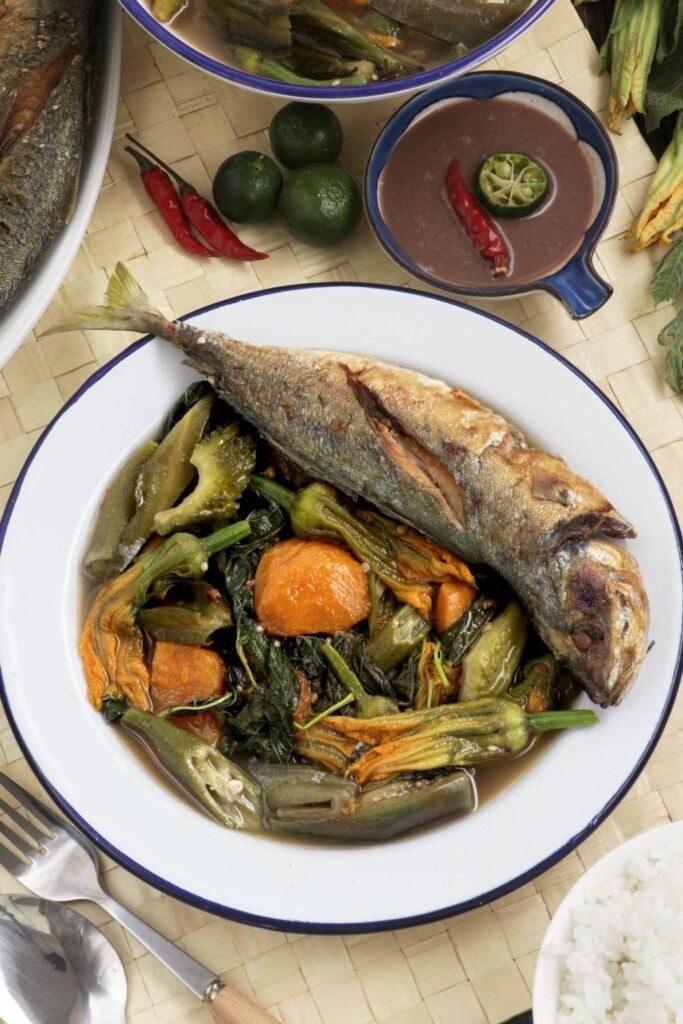
11. Pinakbet
Pinakbet is a colorful Filipino vegetable stew from the northern Philippines. You cook mixed vegetables like bitter gourd, okra, long beans, eggplant, and squash together.
The dish gets its bold flavor from shrimp paste called bagoong. Many recipes include pork belly for extra taste.
You can make this dish easily since the vegetables are common in most areas. The ingredients are simple to find and prepare.
Pinakbet works well as a main dish with rice or as a side with grilled meat or fried fish.

12. Tinola
Tinola is a traditional Filipino chicken soup that combines ginger and garlic in a clear, flavorful broth. You’ll find tender chicken pieces paired with green papaya or chayote squash.
The soup features nutrient-rich leafy greens like malunggay or bok choy. Fresh ginger gives this dish its distinctive warming quality and medicinal benefits.
You can prepare tinola quickly using simple ingredients. The dish serves as perfect comfort food when you’re feeling unwell or need something nourishing.

13. Halo-Halo
Halo-halo means “mix-mix” in Filipino. This colorful dessert layers sweetened beans, fruits, and jellies with shaved ice.
You’ll find ingredients like sweet red mung beans, jackfruit, coconut strips, and ube jam. The dessert gets topped with leche flan, ube ice cream, and evaporated milk.
Each spoonful gives you different textures and flavors. You mix everything together before eating, which is how it gets its name.
This cold treat is perfect for hot weather.

14. Puto
Puto is a traditional Filipino steamed rice cake made from rice flour, coconut milk, and sugar. These soft, fluffy treats have a mild yet delicious taste that makes them perfect for snacking.
You can enjoy puto on its own with coffee or tea. They also pair well with savory dishes like pancit and dinuguan.
Many variations exist beyond the basic recipe. Some use different ingredients like ube or cassava instead of rice.
You’ll recognize puto by its chewy texture and gentle sweetness.

15. Lumpia Shanghai
Lumpia Shanghai are crispy Filipino spring rolls that bring excitement to any meal. You wrap seasoned ground pork, chicken, or beef in thin lumpia wrappers.
The filling includes chopped onions, carrots, and celery for extra flavor and crunch. You roll them into thin cylinders and cut them into bite-sized pieces.
Deep frying gives these rolls their signature golden-brown color and crispy texture. You can serve them with sweet and sour dipping sauce.

16. Turon
Turon is a popular Filipino snack also called banana lumpia. You wrap ripe saba bananas in spring roll wrappers and deep-fry them until golden brown.
The bananas are often rolled in brown sugar before wrapping. Some recipes add jackfruit pieces for extra sweetness and flavor.
You can serve turon as a dessert or afternoon snack. Many people drizzle caramel sauce on top for added sweetness.
The result is crispy on the outside with warm, sweet banana filling inside.

17. Sisig
Sisig is one of the Philippines’ most beloved dishes. This sizzling creation comes from Pampanga province.
You’ll find crispy pork pieces mixed with onions and chili peppers. The dish uses pork ears, cheeks, and liver for authentic flavor.
Restaurants serve sisig on hot metal plates. A raw egg often sits on top, cooking from the plate’s heat.
You can enjoy sisig as a snack with beer or as a main dish with rice.

18. Inasal
Inasal is a Filipino grilled chicken dish that comes from Bacolod. You marinate the chicken in vinegar, calamansi juice, and lemongrass.
The marinade also includes garlic and annatto oil. This gives the chicken its orange color and tangy flavor.
You grill the chicken while basting it with the marinade. This keeps the meat juicy and adds a smoky taste.
The result is tender chicken with a distinctive sour and savory flavor.

19. Bibingka
Bibingka is a traditional Filipino rice cake that brings festive joy to your table. You’ll love this sweet, chewy treat made with rice flour, coconut milk, eggs, and sugar.
This Christmas favorite gets cooked in clay pots lined with banana leaves. The leaves give it a unique aroma you can’t get anywhere else.
You can top your bibingka with salted eggs, cheese, and grated coconut. Each bite offers the perfect mix of sweet and salty flavors.

20. Polvoron
Polvoron is a beloved Filipino shortbread treat that melts in your mouth. You make it with toasted flour, powdered milk, sugar, and butter.
This crumbly sweet snack comes from simple ingredients but delivers rich flavor. The toasted flour gives it a nutty taste.
You can customize polvoron with different flavors like ube or cookies and cream. Many Filipino families make it for special occasions and gift-giving.
The treats are easy to shape using special molds. You wrap them in cellophane for a traditional presentation.

21. Ukoy
Ukoy are crispy Filipino shrimp fritters that make perfect appetizers or snacks. You’ll find these golden treats filled with fresh shrimp and mixed vegetables.
The batter combines flour, cornstarch, and seasonings for extra crunch. Common vegetables include bean sprouts, sweet potatoes, carrots, and green onions.
You deep fry small portions until they turn golden brown and crispy. The result is a crunchy exterior with tender shrimp and vegetables inside.
These fritters work well for dinner parties or casual snacking. You can serve them hot with your favorite dipping sauce.
Distinctive Ingredients in Exotic Filipino Cuisine
Filipino exotic dishes rely on unique ingredients found across the archipelago’s diverse regions. These special components include wild herbs, traditional fermentation methods, and protein sources that create the bold flavors Filipino cuisine is known for.
Rare Herbs and Spices
Malunggay leaves provide a nutty flavor and are packed with nutrients. You’ll find them in soups and stews throughout the Philippines.
Pandan leaves give dishes a sweet, vanilla-like aroma. Cooks wrap fish and meat in these fragrant leaves before cooking.
Kamias adds sourness to dishes without using vinegar. This small, oval fruit grows wild in many Filipino gardens.
Tamarind leaves create a tangy base for broths. Fresh leaves work better than dried ones for the strongest flavor.
Lemongrass stalks bring citrus notes to marinades and soups. You bruise the stalks to release more oils.
Ginger varieties include regular ginger and the stronger luya dilaw. Both types help balance rich, fatty dishes.
Wild pepper leaves grow in mountain regions. They taste spicier than regular black pepper when fresh.
Traditional Cooking Methods
Fermentation creates unique flavors in Filipino cooking. Bagoong (fermented fish paste) takes months to develop its strong taste.
Banana leaves work as natural cooking wraps. They steam food while adding a subtle plant flavor.
Clay pots help develop deeper tastes in stews and rice dishes. The clay adds minerals that metal pots cannot provide.
Coconut shell charcoal burns hotter than regular charcoal. This creates the high heat needed for proper grilling.
Salt-curing methods preserve meats and fish for weeks. The salt draws out moisture and prevents spoilage.
Smoking techniques use specific wood types like santol or mango wood. Different woods create different flavor profiles.
Sources of Exotic Proteins
Balut (duck embryo) is the most famous exotic Filipino protein. Street vendors sell this boiled delicacy with salt and chili.
Tamilok (woodworm) comes from mangrove trees in coastal areas. People eat it raw like oysters or cook it in soup.
Flying ants appear during rainy season. Cooks sauté them with garlic and onions for a crunchy snack.
Frog legs from rice fields taste like chicken but with a softer texture. They work well in adobo-style dishes.
Wild boar meat has a gamier flavor than regular pork. Mountain communities hunt these animals for special occasions.
Sea urchin provides a creamy, ocean-like taste. Coastal regions serve it fresh or mixed into rice dishes.
Monitor lizard meat appears in some regional dishes. It tastes similar to chicken but requires longer cooking times.
Cultural Significance of Unique Filipino Dishes
Filipino exotic dishes carry deep cultural meaning rooted in centuries of trade, colonization, and regional traditions. These unique recipes reflect the country’s complex history through Malay, Chinese, Spanish, and American influences that shaped local cooking methods and ingredients.
Regional Inspirations
Different Philippine regions created distinct exotic dishes based on local ingredients and cultural exchanges. Northern Luzon developed ant pupae dishes like abuos using red weaver ants found in mountainous areas.
Coastal regions crafted seafood specialties using unusual preparation methods. The Visayas islands created fermented fish dishes that reflect ancient preservation techniques.
Southern regions like Mindanao incorporated Malay spices and cooking styles into their exotic recipes. These dishes often feature coconut milk, turmeric, and lemongrass combinations.
Key regional influences include:
- Chinese traders brought stir-frying techniques and soy-based seasonings.
- Spanish colonizers introduced tomatoes and garlic combinations.
- Malay traders shared coconut-based cooking methods.
- Indigenous groups contributed native herbs and fermentation practices.
Each region adapted these influences to create unique dishes using locally available ingredients. Mountain communities used different proteins than coastal areas, leading to diverse exotic recipes.
Festivals and Celebrations
Exotic Filipino dishes play important roles in religious festivals and community celebrations. Many unusual recipes appear only during specific holidays or ceremonial events.
Lechon variations using exotic ingredients become centerpieces at town fiestas. Some regions prepare whole animals stuffed with unique herb combinations during patron saint celebrations.
Wedding ceremonies feature rare dishes that symbolize prosperity and fertility. Families prepare complex exotic recipes passed down through generations for these special occasions.
Christmas and Easter celebrations include exotic delicacies that require days of preparation. These dishes connect families to their ancestral cooking traditions.
Community harvest festivals showcase exotic ingredients gathered seasonally. Local families compete to create the most authentic traditional recipes using these rare ingredients.
Heritage and Preservation
Filipino families preserve exotic recipes as cultural treasures connecting them to ancestral roots. Grandmothers teach these complex cooking methods to younger generations through hands-on practice.
Many exotic dishes face extinction as modern lifestyles change eating habits. Traditional cooking techniques like clay pot fermentation require time and skill that fewer people possess.
Cultural organizations work to document rare recipes before they disappear completely. Cooking classes and food festivals help maintain interest in these traditional preparation methods.
Preservation efforts include:
- Recording elderly cooks demonstrating traditional techniques.
- Teaching children authentic ingredient preparation.
- Maintaining heirloom seed varieties for rare vegetables.
- Supporting local farmers growing traditional ingredients.
Frequently Asked Questions
Filipino exotic dishes rely on specific traditional ingredients and cooking methods that create their unique flavors. These dishes vary by region and have evolved over time through cultural influences.
What are the traditional ingredients used in Filipino exotic dishes?
Filipino cuisine uses coconut milk, fish sauce, and shrimp paste as base flavors. You’ll find garlic, onions, and ginger in most recipes.
Tamarind adds sourness to dishes like sinigang. Bay leaves and black peppercorns season many stews.
Palm vinegar and cane vinegar create the tangy taste in adobo. Annatto seeds give dishes their orange color.
Rice and noodles serve as main starches. Banana leaves wrap food for steaming and add subtle flavor.
How can one incorporate native Filipino flavors into everyday cooking?
Start by adding fish sauce to your stir-fries and soups for umami depth. Use coconut milk in curries and stews instead of cream.
Palm vinegar works well in salad dressings and marinades. Try cooking with banana leaves as natural food wrappers.
They keep fish and meat moist while grilling. Tamarind paste adds sour notes to broths and sauces.
Mix annatto oil into rice dishes for color and mild flavor. Keep shrimp paste on hand to enhance vegetable dishes.
What are some lesser-known Filipino dishes that food enthusiasts should try?
Dinuguan combines pork blood with meat in a rich, dark stew. Balut offers a unique experience with its partially developed duck embryo.
Sisig transforms pig parts into a sizzling, crispy dish. Laing features taro leaves cooked in coconut milk and chili.
Batchoy combines noodles with pork organs in savory broth. Inasal presents grilled chicken with distinct marinade flavors.
Taba ng talangka uses crab fat as a pasta sauce base. These dishes showcase Filipino creativity with ingredients.
Can you provide a guide to preparing Filipino cuisine for special occasions?
Lechon serves as the centerpiece for major celebrations like weddings and holidays. You need to order whole roasted pig from specialty shops days ahead.
Kare-kare requires oxtail that takes hours to become tender. Prepare pancit canton for birthdays as it symbolizes long life.
Make large batches since Filipino gatherings feed many people. Adobo works well because it tastes better the next day.
Plan three days ahead for complex dishes. Day one involves shopping and prep work.
Day two focuses on slow-cooking meats. Day three handles final assembly and reheating.
What are the main differences between regional Filipino recipes?
Northern Luzon cooking uses more vegetables and less coconut milk. Ilocano dishes feature bitter melon and bagoong.
Southern regions prefer coconut-based sauces and spicier flavors. Visayan cuisine emphasizes fresh seafood and sweet-sour combinations.
Mindanao cooking shows Muslim influences with less pork and more beef. Each island group developed unique spice blends.
Cooking methods vary too. Mountain regions smoke and dry more foods.
Coastal areas favor grilling and raw preparations. Rice varieties differ by region.
How has Filipino cuisine evolved to include exotic ingredients?
Spanish colonization brought tomatoes, potatoes, and garlic to Filipino cooking. Chinese traders introduced soy sauce, tofu, and noodle-making techniques.
American influence added processed meats and canned goods. Modern Filipino chefs now use truffle oil, aged cheeses, and wine reductions.
Fusion restaurants combine traditional flavors with international techniques. Food trucks serve Filipino-Mexican and Filipino-Korean combinations.
Urban areas embrace molecular gastronomy applied to classic dishes. Rural cooking still follows traditional methods and local ingredients.