
Greek food brings together simple ingredients and bold flavors that have pleased families for thousands of years. The cooking uses fresh vegetables, olive oil, herbs, and spices to create meals that taste great and are good for your health.
From grilled meats and seafood to hearty soups and sweet desserts, Greek recipes offer something for every taste.
You’ll learn to prepare everything from popular appetizers and main courses to traditional desserts and sides that capture the true spirit of Mediterranean cooking.
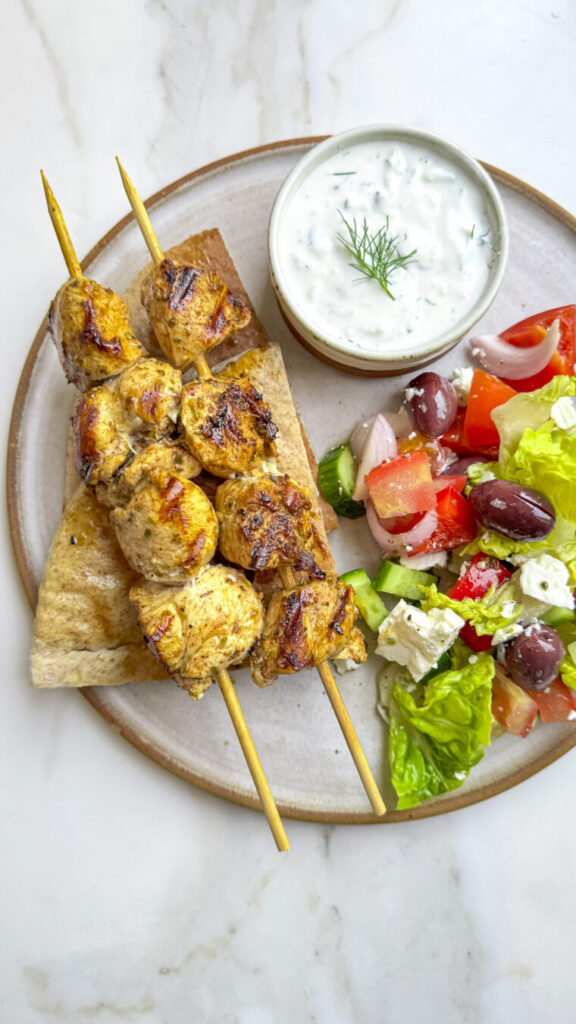
1. Chicken Souvlaki with Tzatziki Sauce
Chicken souvlaki is Greece’s most popular street food. You marinate chicken chunks in olive oil, lemon juice, garlic, and oregano before grilling them on skewers.
The tzatziki sauce combines Greek yogurt with cucumber, garlic, and dill. This cool, creamy sauce balances the warm, seasoned chicken perfectly.
You can serve souvlaki wrapped in warm pita bread with fresh vegetables. It also works well over a Greek salad for a lighter meal.

2. Traditional Greek Moussaka
Moussaka is Greece’s most famous comfort food. You’ll find this layered casserole in almost every Greek taverna and home kitchen.
The dish features layers of sliced eggplant and potatoes. A spiced meat sauce with ground beef or lamb sits between the vegetables.
Cinnamon and allspice give the meat its distinctive Greek flavor. The top layer is creamy béchamel sauce that turns golden when baked.
You can prepare moussaka ahead of time for dinner parties or freeze it for later meals.

3. Spanakopita (Spinach Pie)
Spanakopita is a classic Greek spinach pie wrapped in crispy phyllo dough. You’ll love the golden, flaky layers that surround a rich spinach and feta filling.
This vegetarian dish combines fresh spinach with tangy feta cheese and herbs. The phyllo pastry becomes perfectly crispy when baked.
You can serve spanakopita as a main dish or cut it into smaller pieces for appetizers. It works well for family dinners or special occasions.
The key is using quality ingredients like good feta cheese and fresh spinach for the best flavor.

4. Classic Greek Salad with Feta
You can make this traditional Greek salad in just 15 minutes. It uses fresh tomatoes, cucumbers, and red onions as the base.
Add Kalamata olives and chunks of feta cheese. The feta makes the salad filling without being too heavy.
Mix olive oil and vinegar for a simple dressing. Traditional Greek salad doesn’t include lettuce.
This salad works great as a summer meal or side dish. You can enjoy it with other Greek dishes.

5. Baklava with Walnuts and Honey
Baklava is a classic Greek dessert made with three simple ingredients. You need phyllo dough, walnuts, and honey syrup.
This sweet pastry has many thin, crispy layers. The walnuts go between the layers of buttered phyllo dough.
After baking, you pour honey syrup over the warm baklava. Greeks call these syrupy desserts “Siropiasta.”
The result is a flaky, nutty treat with a golden color. Each bite combines crispy pastry with sweet honey and crunchy walnuts.

6. Grilled Lamb Chops with Oregano
You can make authentic Greek lamb chops in under 20 minutes. The Greeks call these “paidakia” and they taste amazing.
Start with a simple marinade. Mix olive oil, lemon juice, minced garlic, and dried oregano.
Add salt and pepper to taste. Marinate your lamb chops for at least 30 minutes.
The longer you wait, the better the flavor gets. Grill the chops over medium-high heat for 3-4 minutes per side.
They should be golden brown outside and pink inside.

7. Avgolemono Soup (Lemon Egg Soup)
Avgolemono is a classic Greek soup that combines chicken broth with eggs and fresh lemon juice. The name means “egg-lemon” in Greek.
This creamy soup gets its smooth texture from whisked eggs mixed into warm broth. Rice or orzo pasta adds heartiness to each bowl.
You can make this comforting soup in about 30 minutes. The tangy lemon flavor balances perfectly with the rich chicken base.
Many Greek families serve avgolemono on Sundays or special occasions. It’s also a popular choice when someone feels sick.

8. Greek Meatballs (Keftedes)
Greek meatballs are crispy on the outside and tender inside. You make them with ground meat, fresh herbs, and spices.
These meatballs are often served as appetizers or part of a meze platter. You can fry them until golden brown for the best texture.
Serve your keftedes with tzatziki sauce and pita bread. The mint and oregano flavors make them taste authentically Greek.
You can make them oval-shaped or round depending on your preference.

9. Shrimp Saganaki with Feta
Shrimp saganaki brings together the best of Greek coastal cooking. You cook plump shrimp in a chunky tomato sauce with garlic and fresh herbs.
The dish gets its signature flavor from crumbled feta cheese on top. A splash of lemon juice brightens everything up.
You can make this dish in under 30 minutes using one pan. It works as both an appetizer and main course for your family dinner.

10. Pastitsio (Greek Baked Pasta)
Pastitsio is Greece’s version of lasagna. This hearty baked dish layers thick tubular pasta with spiced ground meat sauce.
The meat sauce contains cinnamon, which gives it a unique Greek flavor. You’ll also taste tomatoes and herbs in every bite.
A creamy béchamel sauce tops the pasta and meat layers. This white sauce makes the dish rich and satisfying.
The finished pastitsio gets baked until golden brown. It’s perfect for Sunday dinners or special occasions.

11. Gigantes Plaki (Baked Giant Beans)
You’ll love this classic Greek comfort dish made with large lima beans. The beans bake slowly in a rich tomato sauce with olive oil and fresh herbs.
The dish gets its name from “gigantes,” meaning giant beans in Greek. You can serve it as a main dish, side, or appetizer.
Your beans will turn creamy and tender after baking. The tomato sauce includes onions, garlic, and Mediterranean herbs for authentic flavor.

12. Greek Lemon Roasted Potatoes
Greek lemon potatoes are crispy on the outside and fluffy inside. You roast them in olive oil, lemon juice, and chicken broth until golden.
The key ingredients are simple. You need potatoes, olive oil, fresh lemon juice, garlic, and dried oregano.
Cut your potatoes into wedges for best results. The lemon and herbs create a bright, tangy flavor that pairs well with any Greek main dish.
These potatoes absorb all the delicious cooking juices as they roast.

13. Greek Yogurt with Honey and Nuts
This classic Greek dish combines three simple ingredients for a perfect snack or breakfast. You get thick, creamy yogurt topped with golden honey and crunchy nuts.
The recipe takes just two minutes to make. Scoop Greek yogurt into a bowl, drizzle honey on top, and add your favorite nuts like walnuts, almonds, or pistachios.
You can add cinnamon or fresh fruit for extra flavor. This healthy treat gives you protein from the yogurt and healthy fats from the nuts.

14. Kalamata Olive Tapenade
This Greek spread brings bold Mediterranean flavors to your table. You make it with Kalamata olives, capers, garlic, and olive oil.
The recipe takes just 5 minutes in a food processor. You can add fresh herbs like parsley and a splash of lemon juice for extra flavor.
Serve your tapenade with crackers, pita chips, or crusty bread. You can also use it as a sandwich spread or dip for vegetables.

15. Dolmades (Stuffed Grape Leaves)
Dolmades are small rolls made from grape leaves stuffed with seasoned rice. You can find them served as appetizers or part of a meze platter throughout Greece.
The filling usually contains rice, onions, and fresh herbs like dill and mint. Some versions include ground meat, but the vegetarian style is most common.
You roll the mixture tightly in grape leaves and cook them in lemon broth. The leaves become tender while the rice absorbs the tangy flavors.
These bite-sized treats taste great hot or cold. You can serve them with tzatziki sauce for dipping.

16. Fasolada (Greek Bean Soup)
Fasolada is Greece’s national soup and a true comfort food classic. This hearty white bean soup has fed Greek families for generations.
You’ll make this simple dish with white beans, olive oil, tomatoes, carrots, and celery. Fresh herbs add extra flavor to the mix.
The soup is naturally vegan and perfect for cold days. Greeks traditionally eat fasolada during Lent, but you can enjoy it anytime.
Preparation takes about 10 minutes. The beans simmer slowly until tender and creamy.

17. Loukoumades (Greek Honey Doughnuts)
Loukoumades are small fried dough balls that taste like Greek donuts. You make them with just five basic ingredients: flour, water, yeast, sugar, and oil.
These treats are crispy and golden on the outside. The inside stays soft and fluffy.
You deep fry the dough balls until they puff up and turn golden brown. After frying, you drizzle them with honey syrup.
Popular toppings include crushed walnuts, cinnamon, or sesame seeds. You can eat them warm for the best taste and texture.

18. Tiropita (Cheese Pie)
Tiropita is a classic Greek cheese pie made with flaky phyllo pastry. The filling combines feta cheese with eggs and herbs for a creamy, tangy flavor.
You can make this dish with just a few simple ingredients. Most recipes use phyllo sheets, Greek feta cheese, and sometimes graviera or ricotta cheese.
The phyllo pastry gets brushed with butter before baking. This creates golden, crispy layers that contrast perfectly with the smooth cheese filling inside.
You can serve tiropita as an appetizer or main dish.

19. Fried Calamari with Lemon
Greeks call this dish kalamarakia tiganita. You coat fresh squid rings in flour and fry them until golden.
The batter uses simple ingredients like all-purpose flour and corn flour. Some recipes add smoked paprika for extra flavor.
You serve the crispy calamari with fresh lemon wedges. The tangy lemon juice cuts through the rich fried coating perfectly.
This classic Greek appetizer takes about 25 minutes to make. You get tender squid with a light, crunchy exterior.

20. Horiatiki Salad (Rustic Village Salad)
You’ll love this traditional Greek village salad that comes straight from the Greek countryside. Horiatiki uses simple, fresh ingredients that create bold Mediterranean flavors.
The salad includes tomatoes, cucumbers, red onions, green peppers, and Kalamata olives. You top it with thick slabs of feta cheese and dried oregano.
You dress horiatiki with olive oil and red wine vinegar. This simple dressing lets the fresh vegetables shine through.
You won’t find lettuce in authentic horiatiki salad. The focus stays on chunky, rustic vegetables that make this dish filling and satisfying.

21. Grilled Octopus with Lemon and Olive Oil
This Greek taverna classic brings authentic Mediterranean flavors to your table. Boil the octopus first to make it tender.
After boiling, grill it until the edges turn crispy and charred. This creates a perfect contrast between the tender meat and smoky exterior.
Serve it with ladolemono, a simple Greek dressing. This combines olive oil, fresh lemon juice, salt, and pepper.
Sprinkle dried oregano on top for the traditional Greek touch.
Key Ingredients in Greek Cuisine
Greek cooking relies on fresh, simple ingredients that create bold flavors. The most important elements include aromatic herbs like oregano and dill, high-quality olive oil, tangy feta cheese, and hearty grains like bulgur wheat.
Essential Herbs and Spices
Oregano stands as the most important herb in Greek cooking. You’ll find it sprinkled on everything from Greek salad to grilled meats.
Wild oregano has a stronger flavor than regular oregano. Fresh dill appears in many dishes.
It flavors rice dishes, meat stews, and vegetable preparations. Greeks use both the leaves and stems.
Parsley adds brightness to Greek foods. Flat-leaf parsley works better than curly parsley for most recipes.
You’ll see it in marinades and as a garnish. Other key seasonings include:
- Garlic – used fresh in most savory dishes
- Bay leaves – essential for stews and braised meats
- Mint – common in meat dishes and salads
- Thyme – pairs well with lemon and olive oil
Signature Cheeses and Olive Oils
Extra virgin olive oil forms the base of Greek cooking. Greek olive oil has a fruity taste with peppery notes.
You’ll use it for cooking, dressing salads, and finishing dishes. Feta cheese appears in countless Greek recipes.
Real feta comes from sheep’s milk or a mix of sheep and goat milk. It has a tangy, salty flavor that works in salads, pastries, and baked dishes.
Kasseri cheese offers a milder taste than feta. This semi-hard cheese melts well and works great in baked dishes like moussaka.
Kefalotiri is a hard cheese similar to Parmesan. You can grate it over pasta dishes or use it in cheese pies.
It has a sharp, nutty flavor.
Staple Grains and Legumes
Rice appears in many Greek dishes. Short-grain rice works best for stuffed vegetables and rice pilaf.
Greeks often cook rice with lemon juice and olive oil. Bulgur wheat creates hearty salads and side dishes.
It has a nutty flavor and chewy texture. You can buy it in fine, medium, or coarse grinds.
Lentils make filling soups and stews. Brown lentils hold their shape better than red ones.
Greeks often cook them with bay leaves and onions. Other important grains and legumes include:
- Chickpeas – for soups and fritters
- White beans – used in baked bean dishes
- Orzo pasta – rice-shaped pasta for soups and salads
Cooking Techniques Unique to Greece
Greek cooking relies on simple methods that bring out natural flavors using time-tested techniques. These methods include clay pot baking, spit roasting over open flames, and unique preservation methods using olive oil and sea salt.
Traditional Baking Methods
Greek bakers use clay pots and stone ovens to create dishes with distinct textures and flavors. These clay vessels distribute heat evenly and keep food moist.
You’ll find dishes like kokoras krasatos (rooster in wine) and arni youvetsi (lamb with orzo) cooked in these traditional pots. The clay adds an earthy taste that metal pans cannot match.
Stone ovens reach very high temperatures. This creates crispy crusts on bread and pita.
The intense heat also caramelizes vegetables quickly while keeping them tender inside. Many Greek families still use fourno (community ovens).
You take your dish to the local bakery after they finish making bread. The residual heat cooks your meal slowly over several hours.
Grilling and Roasting Styles
Greek grilling focuses on souvlaki preparation and whole animal roasting. Thread meat onto metal skewers and cook it over charcoal or wood fires.
Spit roasting is common for celebrations. Whole lambs or pigs rotate slowly over open flames.
This method keeps the meat juicy while creating crispy skin. Greeks use psito (roasting) for vegetables too.
They roast potatoes, peppers, and eggplant directly over flames. This gives them a smoky flavor and charred edges.
High heat for short periods seals in juices while creating the signature char marks that Greeks love.
Preserving and Marinating
Greeks preserve foods using olive oil, sea salt, and vinegar. These methods keep ingredients fresh without refrigeration.
Ladolemono (olive oil and lemon) is the most common marinade. Mix equal parts olive oil and lemon juice with oregano and salt.
This tenderizes meat and adds bright flavors. Salt-cured olives and preserved lemons are staples.
Pack them in coarse sea salt for weeks. This removes moisture and concentrates flavors.
Greeks also use oil preservation for cheeses and vegetables. Submerge feta or roasted peppers in olive oil.
This keeps them fresh for months while adding rich taste.
Frequently Asked Questions
These common questions cover the essential elements of Greek cooking, from traditional starters and main dishes to modern appetizers and buffet planning.
What are the classic dishes to include in a traditional Greek starter course?
Traditional Greek starters focus on simple, fresh ingredients. Tzatziki sauce with pita bread makes an excellent beginning to any meal.
Spanakopita offers a warm, savory option with spinach and feta wrapped in crispy phyllo pastry. Serve small triangular pieces as appetizers.
Greek olives, feta cheese, and dolmades (stuffed grape leaves) create a classic meze platter. These dishes prepare your palate for the main course.
How do I prepare authentic Greek main dishes at home?
Start with quality olive oil, fresh lemon juice, and dried oregano for authentic flavors. These three ingredients appear in most Greek main dishes.
Marinate chicken in olive oil, lemon, and herbs before grilling for souvlaki. Serve it with tzatziki sauce and warm pita bread.
Traditional moussaka takes time but follows simple steps. Layer eggplant, meat sauce, and béchamel sauce, then bake until golden brown.
Can you list some modern Greek appetizers that are popular today?
Modern Greek cooking adapts traditional flavors for easier preparation. Feta-stuffed cherry tomatoes offer a quick appetizer option.
Greek-style hummus with olive oil and oregano provides a contemporary twist. Serve it with vegetables or pita chips.
Grilled halloumi cheese with honey and herbs creates a simple yet impressive starter. This dish takes less than 10 minutes to prepare.
What are some must-try recipes when creating a Greek buffet?
A Greek buffet needs both hot and cold options. Include classic Greek salad with feta, tomatoes, and olives as a fresh choice.
Add spanakopita and moussaka for warm main dishes. Both can be made ahead and kept warm in serving trays.
Chicken souvlaki works well for buffets since guests can build their own plates. Provide tzatziki sauce, pita bread, and fresh vegetables on the side.
Which Greek dishes are considered the best of all time?
Moussaka ranks as Greece’s most famous dish worldwide. This layered casserole represents the heart of Greek comfort food.
Baklava with walnuts and honey stands out as the most beloved Greek dessert. The combination of crispy phyllo and sweet filling creates an unforgettable treat.
Greek salad remains a timeless favorite for its fresh, simple ingredients. Feta cheese, olive oil, and oregano make this dish instantly recognizable.
Could you recommend the top traditional Greek food recipes every home cook should know?
Master these five recipes to build a strong foundation in Greek cooking. Chicken souvlaki teaches you basic marinating and grilling techniques.
Traditional moussaka shows you how to work with phyllo pastry. It also teaches you to create layered dishes.
Spanakopita introduces you to Greek herb combinations. Classic Greek salad demonstrates the importance of quality ingredients.
Simple preparation helps you bring out the best flavors. Baklava with walnuts and honey teaches you to handle delicate phyllo dough for desserts.