
Mediterranean food brings together the bright flavors and healthy ingredients from countries around the Mediterranean Sea. This cooking style focuses on fresh vegetables, olive oil, herbs, seafood, and whole grains that create meals full of taste and good nutrition.
These 21 recipes will help you make authentic Mediterranean dishes at home, from classic Greek salads and hummus to seafood paella and baklava. You’ll discover how to prepare everything from simple dips and salads to hearty main courses and sweet desserts that capture the true spirit of Mediterranean cooking.
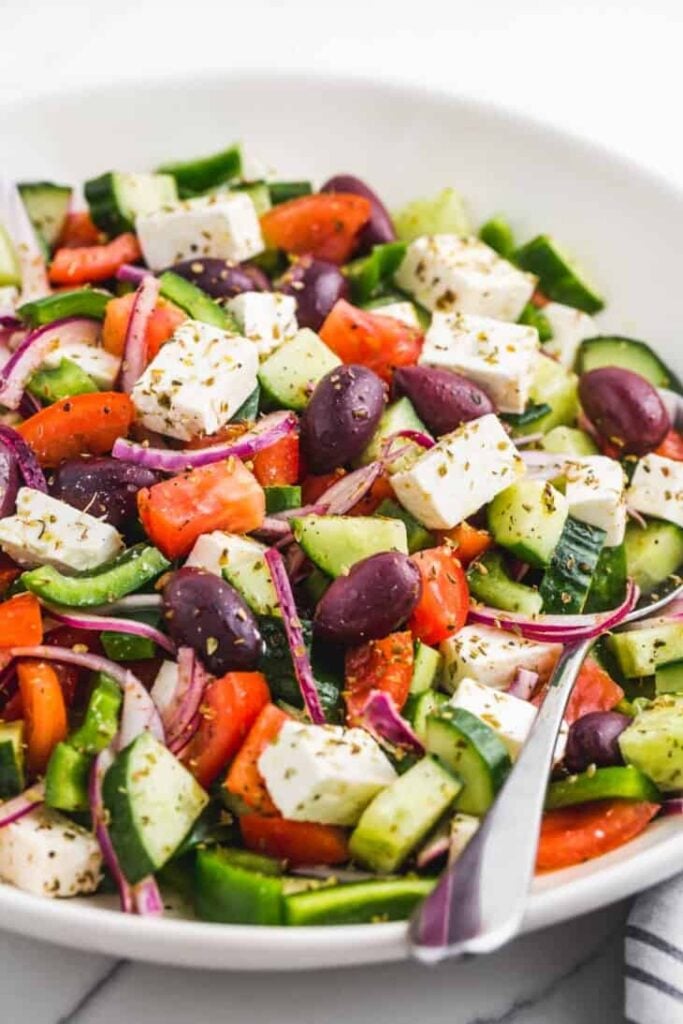
1. Greek Salad with Feta and Olives
Greek salad brings fresh Mediterranean flavors to your table in just minutes. You combine ripe tomatoes, crisp cucumbers, and red onions with tangy feta cheese.
Kalamata olives add a briny taste that makes this dish special. You dress everything with simple olive oil and vinegar.
This traditional recipe, called Horiatiki, uses high-quality ingredients. You can make it in under 10 minutes with no cooking required.

2. Classic Hummus with Tahini
Classic hummus combines chickpeas with tahini to create a smooth, creamy dip. Tahini is a sesame paste that adds rich flavor and helps create the perfect texture.
You need chickpeas, tahini, lemon juice, garlic, olive oil, and salt. Blend these ingredients together until smooth.
The key is using good quality tahini made only from sesame seeds. Make sure to stir the tahini well before using it.
This Mediterranean staple works perfectly with pita bread, fresh vegetables, or as a sandwich spread.

3. Falafel with Garlic Sauce
Falafel brings authentic Mediterranean flavor to your kitchen. You blend chickpeas with garlic, onion, and warm spices like cumin and coriander.
Form the mixture into small balls and fry them until golden brown. The crispy outside gives way to a tender, herb-filled center.
The garlic yogurt sauce makes the perfect pairing. You mix plain yogurt with minced garlic, lemon juice, and a pinch of salt.
This protein-packed dish works great in pita bread or served over rice with fresh vegetables.

4. Spanakopita (Spinach Pie)
Spanakopita is a classic Greek spinach pie wrapped in crispy phyllo dough. You’ll love the golden, flaky layers that surround a rich filling of spinach and feta cheese.
This vegetarian dish makes a great main course or appetizer. The combination of fresh spinach, creamy feta, and herbs creates amazing flavors.
You can make spanakopita easily at home. Layer the phyllo sheets with butter, add the spinach filling, then bake until golden brown.

5. Grilled Lamb Kebabs
You can make tender, juicy lamb kebabs with the right marinade and grilling method. Use boneless leg of lamb cut into cubes for the best results.
A Mediterranean marinade with garlic, lemon juice, and herbs will flavor the meat perfectly. Marinate your lamb for at least 2 hours before grilling.
Thread the lamb onto skewers with onions and peppers. Grill over medium-high heat for 8-10 minutes, turning once.

6. Shakshuka with Poached Eggs
Shakshuka brings bold flavors from North Africa to your kitchen. This dish features eggs poached in a rich tomato and bell pepper sauce.
You’ll love how simple it is to make. The sauce combines tomatoes, onions, peppers, and warming spices in one pan.
The key is getting the right balance of flavors. The sauce should be tangy, slightly sweet, and full of spice.
Crack your eggs directly into the simmering sauce. Let them cook until the whites set but yolks stay runny.

7. Baba Ganoush (Eggplant Dip)
You’ll love this creamy Middle Eastern dip made from roasted eggplant. The smoky flavor comes from fire-roasting the eggplant until soft.
Mix the roasted eggplant with tahini, garlic, lemon juice, and olive oil. Season with salt to taste.
You can serve baba ganoush with pita bread, crackers, or fresh vegetables. It works great as an appetizer or part of a mezze platter.

8. Orzo Salad with Lemon and Herbs
This pasta salad brings bright Mediterranean flavors to your table. You cook orzo pasta and mix it with fresh vegetables like cherry tomatoes and cucumbers.
The lemon dressing makes this dish shine. You combine olive oil, lemon juice, and fresh herbs like basil or parsley.
Add crumbled feta cheese for extra flavor. Red onion gives the salad a nice crunch.
You can serve this as a side dish or light meal. It works great for picnics and potlucks too.

9. Mediterranean Stuffed Peppers
You’ll love this colorful dish that brings together fresh bell peppers with Mediterranean flavors. The peppers become edible bowls filled with tasty ingredients.
Choose red, yellow, or orange bell peppers for the best sweetness. You can stuff them with rice, quinoa, or couscous mixed with herbs and spices.
Add protein like ground turkey or chicken if you want. Vegetarian versions work well with chickpeas or just grains and vegetables.
Feta cheese and fresh herbs like basil make the filling extra flavorful. You can have dinner ready in about 30 minutes.

10. Seafood Paella with Saffron
Seafood paella brings authentic Spanish flavors to your kitchen. This classic dish uses short-grain rice like Bomba or Arborio.
The rice absorbs a rich seafood broth infused with golden saffron. This creates the dish’s signature yellow color and earthy taste.
You can add shrimp, mussels, and clams to make it complete. Smoked paprika adds a warm, smoky flavor that balances the saffron.
A wide, shallow pan helps the rice cook evenly. Any large skillet works if you don’t have a traditional paella pan.

11. Baklava with Pistachios
This sweet Mediterranean dessert combines layers of crispy phyllo pastry with ground pistachios and honey syrup. You’ll find this treat popular across Turkey, Greece, and other Mediterranean countries.
The recipe uses butter to brush each phyllo layer. Ground pistachios go between the pastry sheets to create rich, nutty flavors.
After baking, you pour sweet syrup over the hot baklava. The dessert tastes even better the next day when the syrup soaks through all the layers.
You can make this ahead for parties or special occasions.

12. Chicken Souvlaki Skewers
Chicken souvlaki brings Greek street food to your kitchen. You marinate bite-sized chicken pieces in lemon, garlic, and oregano.
Thread the chicken onto skewers with vegetables like onions and peppers. Grill them until the meat is juicy and slightly charred.
The word souvlaki comes from the Greek word for skewer. You can serve these skewers with warm pita bread and tzatziki sauce.
This dish cooks quickly, making it perfect for weeknight dinners or summer grilling.

13. Tabbouleh with Fresh Parsley
Tabbouleh is a light Mediterranean salad where fresh parsley takes center stage. You combine finely chopped parsley with bulgur wheat, mint, and diced tomatoes.
The dressing is simple but perfect. You mix olive oil with fresh lemon juice to create a bright, tangy flavor.
Diced cucumbers and onions add extra crunch and taste. You can make this salad ahead of time since the flavors get better as they sit together.

14. Roasted Red Pepper and Lentil Soup
This Mediterranean soup blends roasted red peppers with red lentils for a hearty meal. The peppers add natural sweetness and smoky flavor.
Red lentils cook quickly and break down to create a thick, creamy texture. You can roast your own peppers or use jarred ones.
The soup works well with Mediterranean herbs like basil and garlic. You can serve it hot or cold depending on the season.

15. Pita Bread with Za’atar
Pita bread topped with za’atar creates a simple Middle Eastern snack. You brush the pita with olive oil and sprinkle the herb blend on top.
This dish is called manakish za’atar in Lebanon. You can use store-bought pita bread for a quick version.
Bake the topped pita at 350 degrees for about 8 minutes. The za’atar gives an earthy, herbaceous flavor that pairs well with the warm bread.
You can serve this as an appetizer or snack with hummus.

16. Caprese Salad with Olive Oil
You can make this Italian classic with just four simple ingredients. Fresh tomatoes, mozzarella cheese, basil leaves, and olive oil create the perfect summer dish.
Slice ripe tomatoes and fresh mozzarella into rounds. Arrange them on your plate with fresh basil leaves.
Drizzle high-quality extra virgin olive oil over everything. Add a pinch of sea salt and black pepper to taste.
This salad tastes best when tomatoes are in season during summer months.

17. Moussaka with Eggplant and Beef
This Greek comfort food brings together layers of tender roasted eggplant and savory beef sauce. You’ll love how the rich meat combines with warm spices like cinnamon and oregano.
The dish gets topped with creamy béchamel sauce that turns golden when baked. Each layer adds its own flavor to create this hearty casserole.
You can make this traditional recipe for family dinners or special occasions. The combination of eggplant, spiced beef, and creamy topping makes it a satisfying Mediterranean meal.

18. Bruschetta with Tomatoes and Basil
This classic Italian appetizer brings fresh Mediterranean flavors to your table. You start with toasted bread slices rubbed with garlic.
The topping combines diced ripe tomatoes with fresh basil leaves. You season this mixture with salt, pepper, and olive oil.
Some recipes add balsamic vinegar for extra flavor. Others include minced garlic mixed directly into the tomatoes.
You can serve this immediately after assembling. The bread stays crisp while the tomato juices add moisture and taste.

19. Lemon Herb Grilled Sea Bass
Sea bass offers a mild flavor and flaky texture that works well with Mediterranean ingredients. The fish takes on flavors easily without being overpowering.
You can marinate the sea bass in olive oil, lemon juice, and garlic before grilling. Fresh herbs like dill, parsley, or oregano add bright flavors.
Grill the fish until it flakes easily with a fork. The lemon and herbs create a light, fresh taste that highlights the sea bass perfectly.

20. Tzatziki Yogurt Sauce
Tzatziki is a creamy Greek sauce made with yogurt and cucumber. You can make this fresh dip in just 10 minutes with simple ingredients.
The basic recipe uses Greek yogurt, grated cucumber, garlic, lemon juice, and fresh dill. Some recipes add olive oil for extra richness.
You should drain the grated cucumber first to remove excess water. This keeps your tzatziki thick and creamy instead of watery.
This versatile sauce pairs well with grilled meats, pita bread, and roasted vegetables. You can use it as a dip or spread.

21. Mediterranean Chickpea Stew
This hearty stew brings together chickpeas, tomatoes, and fresh vegetables in one pot. You can make it in about 30 minutes using simple ingredients.
The dish features garlic, onions, and Mediterranean spices like cumin. Spinach adds extra nutrition and color to the stew.
You’ll need olive oil, canned chickpeas, and crushed tomatoes as your base. Fresh herbs like mint and parsley brighten the flavors.
Serve your stew with toasted pita bread or crusty bread. A squeeze of lemon juice adds the perfect finishing touch.
Mediterranean Diet Principles
The Mediterranean diet focuses on fresh, whole foods like olive oil, vegetables, and seafood that promote heart health. These ingredients work together to create meals that taste great and support your overall well-being.
Key Ingredients Used
Olive oil serves as the primary fat source in Mediterranean cooking. Use extra virgin olive oil for cooking, dressing salads, and drizzling over finished dishes.
Fresh vegetables form the foundation of most meals. Tomatoes, cucumbers, bell peppers, eggplant, and leafy greens appear in daily cooking.
Whole grains like bulgur, farro, and brown rice provide fiber and energy. Find these grains in salads, pilafs, and side dishes.
Legumes such as chickpeas, lentils, and white beans add protein and fiber. Use them in soups, stews, and salads several times per week.
Fish and seafood supply healthy omega-3 fats. Eat salmon, sardines, tuna, and shellfish regularly instead of red meat.
Nuts, seeds, and fresh herbs like basil, oregano, and parsley add flavor and nutrients to your meals.
Health Benefits of Mediterranean Cuisine
Following Mediterranean eating patterns improves your heart health. The combination of olive oil, fish, and vegetables helps reduce bad cholesterol levels.
The diet includes filling foods like fiber-rich vegetables and protein from fish. You feel satisfied without overeating.
The healthy fats from olive oil and nuts support brain function as you age.
The antioxidants in colorful vegetables and herbs fight harmful inflammation throughout your body.
Eating whole grains instead of refined carbohydrates helps keep blood sugar levels more stable.
Tips for Cooking Mediterranean Dishes
Mediterranean cooking relies on proper ingredient balance and time-tested cooking methods. You succeed by understanding how olive oil, herbs, and acids work together and by mastering simple techniques like proper seasoning and gentle heat control.
Balancing Flavors and Textures
Mediterranean dishes shine when you balance salty, acidic, and rich elements. Start with good olive oil as your base fat.
Add brightness with lemon juice or vinegar near the end of cooking. Salt your vegetables early to draw out moisture.
This creates better texture and deeper flavor. Use coarse sea salt rather than table salt when possible.
Fresh herbs work differently than dried ones. Add delicate herbs like basil and parsley at the end.
Sturdy herbs like rosemary and thyme can cook longer. Create texture contrast in every dish.
Pair creamy elements like feta or tahini with crunchy nuts or seeds. Mix soft roasted vegetables with firm grains or beans.
Taste as you cook and adjust. Mediterranean food needs enough acid to brighten heavy ingredients like olive oil and cheese.
Essential Cooking Techniques
High heat searing works best for fish and meat. Get your pan hot before adding oil.
This creates a golden crust while keeping proteins tender inside. For vegetables, use medium heat with olive oil.
Let them caramelize slowly rather than rushing with high heat. This develops sweetness and prevents burning.
Season in layers throughout cooking. Salt vegetables when they hit the pan.
Add herbs midway through. Finish with fresh lemon juice or good olive oil.
One-pan cooking is common in Mediterranean cuisine. Start aromatics like onions and garlic first.
Add harder vegetables, then softer ones. This builds flavor while keeping textures right.
Don’t overcook seafood. Most fish needs just 3-4 minutes per side.
Shrimp cooks in under 2 minutes total.
Frequently Asked Questions
Mediterranean cooking uses specific ingredients like olive oil, fresh herbs, and seafood from countries around the Mediterranean Sea. These recipes offer health benefits and can fit into different meal times and cooking styles.
What are some traditional dishes to try for a Mediterranean diet beginner?
Start with Greek Salad with Feta and Olives for a simple introduction to Mediterranean flavors. This dish uses basic ingredients like tomatoes, cucumbers, and olive oil.
Classic Hummus with Tahini makes an easy appetizer or snack. Serve it with vegetables or pita bread.
Falafel with Garlic Sauce offers a protein-rich option. These chickpea balls are filling and full of herbs and spices.
Spanakopita provides a taste of Greek pastry cooking. The spinach pie combines greens with flaky phyllo dough.
Can you suggest five simple Mediterranean recipes for a quick weeknight dinner?
Grilled fish with lemon and herbs takes less than 20 minutes. Season white fish with olive oil, oregano, and garlic.
Pasta with olive oil, garlic, and cherry tomatoes is ready in 15 minutes. Add fresh basil and parmesan cheese.
Chickpea stew with vegetables uses canned beans for speed. Cook with onions, tomatoes, and Mediterranean spices.
Greek-style chicken with potatoes bakes in one pan. Use lemon juice, olive oil, and oregano for seasoning.
Simple ratatouille combines zucchini, eggplant, and peppers. Cook everything in olive oil with herbs.
Which countries’ cuisines are typically considered part of Mediterranean cooking?
Greece provides dishes like moussaka, Greek salad, and tzatziki. Italian cuisine contributes pasta, pizza, and risotto.
Spain adds paella, gazpacho, and tapas to Mediterranean cooking. French coastal regions offer bouillabaisse and ratatouille.
Turkey brings kebabs, dolmas, and various mezze dishes. Morocco contributes tagines and couscous-based meals.
Cyprus, Croatia, and other coastal countries also influence Mediterranean cooking styles.
What are some easy to make one-pot meals that capture Mediterranean flavors?
Mediterranean chicken and rice cooks everything in one pan. Use chicken thighs, rice, tomatoes, and olives.
Seafood paella brings Spanish flavors to your kitchen. Cook rice with shrimp, mussels, and saffron.
White bean and vegetable stew is hearty and healthy. Add carrots, celery, and Italian herbs.
Lamb and vegetable tagine uses a slow cooker. Combine lamb, apricots, and warm spices.
Lentil soup with vegetables requires minimal cleanup. Use red lentils, onions, and Mediterranean herbs.
Could you list a variety of Mediterranean dishes that are suitable for different meal times?
For breakfast, try Greek yogurt with honey and nuts. Mediterranean-style omelets with herbs work well too.
Lunch options include Greek salad, hummus wraps, or minestrone soup. Falafel plates make filling midday meals.
Dinner choices range from grilled fish to lamb kebabs. Pasta dishes and vegetable gratins also fit.
Snacks can include olives, cheese plates, or roasted chickpeas. Fresh fruit with nuts provides energy between meals.
What are the health benefits of incorporating Mediterranean recipes into my diet?
Mediterranean diets support heart health through olive oil and fish. These foods contain healthy fats that protect your cardiovascular system.
The diet includes lots of vegetables and fruits. These provide vitamins, minerals, and fiber your body needs.
Legumes and whole grains give you steady energy. They help control blood sugar levels.
Mediterranean eating patterns may reduce inflammation. This can lower your risk of chronic diseases.
The diet limits processed foods and red meat. This approach supports weight management.