
Mediterranean cooking brings together fresh ingredients, bold flavors, and healthy eating habits from countries around the sea. This style of food uses olive oil, vegetables, herbs, grains, and seafood to create meals that taste great and support good health.
These 21 recipes will help you make authentic Mediterranean dishes at home, from simple dips and salads to main courses and desserts. You will learn to prepare classic Greek dishes, Italian favorites, and Middle Eastern specialties.
Each recipe uses ingredients you can find at most grocery stores. The cooking methods work for both beginners and experienced cooks.
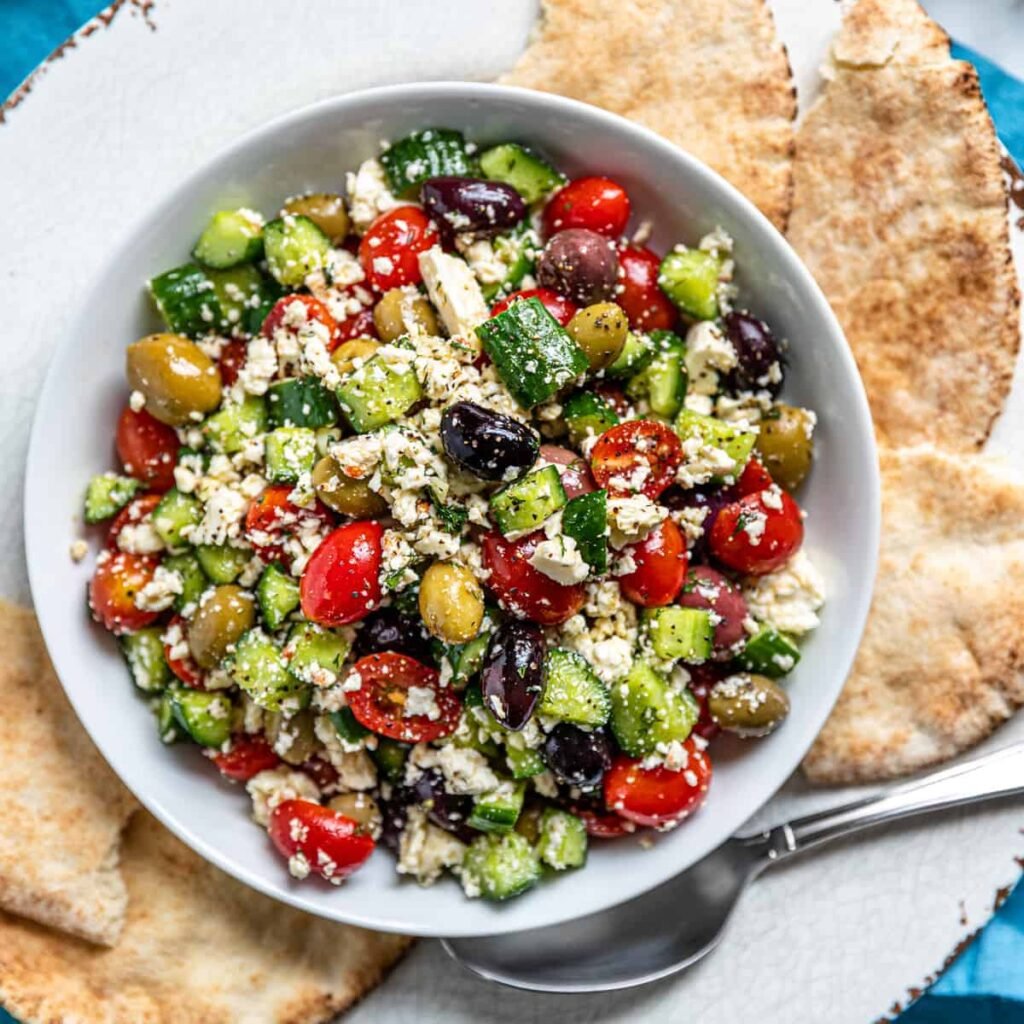
1. Greek Salad with Feta and Olives
Greek salad brings together fresh Mediterranean flavors in one simple dish. You’ll use ripe tomatoes, crisp cucumbers, and red onions as your base.
Add Kalamata olives for a briny taste. Crumbled feta cheese provides creamy texture and tangy flavor.
The dressing stays simple with olive oil and vinegar. Fresh oregano adds authentic Greek taste.
You can make this salad in just 10 minutes. It works great as a side dish or light main course.

2. Classic Hummus with Tahini
You can make creamy hummus at home in just 20 minutes with basic ingredients. You need chickpeas, tahini, lemon juice, garlic, olive oil, and a pinch of cumin.
Start by draining and rinsing your chickpeas. Add them to a food processor with tahini, fresh lemon juice, and minced garlic.
Blend until smooth, adding olive oil and water as needed. The tahini gives your hummus its rich, nutty flavor and creamy texture.
Serve with pita bread, vegetables, or use as a sandwich spread.

3. Grilled Lemon Herb Chicken Souvlaki
You can bring Greek flavors to your grill with this classic dish. Chicken pieces marinate in olive oil, lemon juice, and oregano.
The marinade makes the meat tender and adds bright taste. Thread the chicken onto skewers for easy grilling.
Cook the skewers over medium heat until done. The chicken should be golden and cooked through.
Serve your souvlaki with warm pita bread and tzatziki sauce. This meal is ready in about 30 minutes.

4. Spanakopita (Spinach Pie)
Spanakopita is a classic Greek pie that combines spinach and feta cheese. The dish uses layers of crispy phyllo dough to create a flaky crust.
You’ll find spinach, feta, eggs, and herbs in the filling. Some recipes add ricotta cheese for extra creaminess.
The phyllo pastry becomes golden and buttery when baked. Each layer creates a light, crisp texture that contrasts with the creamy filling.
You can make spanakopita as individual triangles or one large pie. Both work well as appetizers or main dishes.

5. Baba Ganoush (Eggplant Dip)
Baba ganoush is a creamy Middle Eastern dip made from roasted eggplant. You roast the eggplant until soft, then scoop out the flesh.
Mix the eggplant with tahini, garlic, lemon juice, and olive oil. The roasting gives the dip a smoky flavor that makes it special.
You can serve baba ganoush with pita bread, crackers, or fresh vegetables. It works great as an appetizer or snack for any meal.

6. Mediterranean Orzo Salad
You can make this pasta salad with orzo, fresh vegetables, and feta cheese. The small rice-shaped pasta works well with cucumbers, cherry tomatoes, and red onions.
A simple lemon dressing brings all the flavors together. Add chickpeas for extra protein or olives for a briny taste.
This salad keeps well in the fridge for meal prep. You can serve it as a side dish or light main course.

7. Shakshuka with Poached Eggs
Shakshuka brings North African flavors to your table with eggs poached in spiced tomato sauce. You’ll love this one-pan dish that works for breakfast, lunch, or dinner.
The base features tomatoes, bell peppers, and onions simmered with warm spices. Crack eggs directly into the bubbling sauce and let them cook gently.
The eggs stay tender while the sauce develops rich, bold flavors. Add spinach or feta cheese for extra nutrition and taste.
Serve shakshuka straight from the pan with crusty bread for dipping.

8. Baklava with Honey and Pistachios
Baklava combines layers of crispy phyllo pastry with chopped pistachios and sweet honey syrup. This traditional Mediterranean dessert comes from Greece, Turkey, and the Middle East.
Brush each phyllo layer with butter before adding the pistachio filling. The nuts create a rich, nutty flavor that pairs perfectly with the flaky pastry.
After baking, pour honey syrup over the warm baklava. Let it sit for several hours so the syrup soaks into all the layers.
This make-ahead dessert actually tastes better the next day.

9. Falafel with Tzatziki Sauce
You can make crispy falafel using ground chickpeas mixed with fresh herbs and spices. Form the mixture into small balls or patties.
Fry them in oil until golden brown on both sides. You can also bake them for a healthier option.
Make tzatziki by mixing Greek yogurt with grated cucumber, garlic powder, and dill. Add salt and pepper to taste.
Serve your falafel in warm pita bread with the cool tzatziki sauce spooned on top. Add fresh vegetables for extra crunch and flavor.

10. Seafood Paella with Saffron
You can bring Spain to your kitchen with this classic dish. Seafood paella combines rice with fresh shrimp, mussels, and sometimes squid.
Saffron gives the rice its golden color and special taste. Cook everything in a wide, shallow pan called a paellera.
The rice absorbs flavors from the seafood and spices. Paprika adds smoky notes to complement the saffron.
You need good timing to get perfect results. The rice should be tender but not mushy when done.

11. Mediterranean Stuffed Peppers
Mediterranean stuffed peppers bring bold flavors to your dinner table. Fill colorful bell peppers with rice, ground meat, and fresh herbs.
These peppers work great with feta cheese, tomatoes, and chickpeas. The filling stays moist while the peppers get tender.
You can make them in about 30 minutes. Try adding spinach or olives for extra taste.
This recipe works as a main dish or side. The peppers are healthy and packed with Mediterranean spices that make every bite flavorful.

12. Tabbouleh with Parsley and Bulgur
Tabbouleh is a fresh Mediterranean salad where parsley takes center stage. You’ll use more parsley than any other ingredient in this dish.
The bulgur wheat adds a nutty texture and substance. Soak it in water until it becomes tender but still has a slight bite.
Fresh mint, diced tomatoes, and cucumbers join the parsley. These vegetables add crunch and bright flavors.
Dress the salad simply with olive oil and lemon juice. This light dressing lets the herbs shine through without overpowering them.

13. Lamb Kofta Kebabs
Lamb kofta kebabs are made with ground lamb mixed with herbs and spices. You’ll use ingredients like garlic, cumin, coriander, and fresh parsley.
Shape the meat mixture around skewers or form into small patties. You can cook them on the grill, in a pan, or in the oven.
These kebabs pair well with pita bread and tzatziki sauce. Serve them with rice or a fresh salad for a complete meal.

14. Roasted Red Pepper and Feta Dip
This creamy Mediterranean dip combines sweet roasted red peppers with tangy feta cheese. You can make it in just 10 minutes using a food processor.
The dip gets its smooth texture from blending feta with cream cheese or Greek yogurt. Add garlic, lemon juice, and olive oil for extra flavor.
Serve this dip with pita chips, fresh vegetables, or crackers. It works great as a party appetizer or everyday snack.

15. Bruschetta with Tomato and Basil
This classic Italian appetizer brings fresh Mediterranean flavors to your table. Start with toasted bread slices as your base.
The topping combines diced ripe tomatoes with fresh basil leaves. Add minced garlic for extra flavor.
Mix everything with olive oil and a splash of balsamic vinegar. Season with salt and pepper to taste.
You can prepare the tomato mixture ahead of time. Let it sit so the flavors blend together.
Spoon the mixture onto your toasted bread just before serving. This prevents the bread from getting soggy.

16. Chickpea and Spinach Stew
This hearty Mediterranean stew combines chickpeas and spinach in a rich tomato base. You can make it in one pot in about 30 minutes.
The dish features simple ingredients like garlic, onions, and warming spices such as cumin. Fresh or frozen spinach works well in this recipe.
You’ll get plenty of protein from the chickpeas and nutrients from the spinach. The stew is naturally vegan and filling enough for a complete meal.
Serve it with crusty bread or over rice for extra substance.

17. Frittata with Zucchini and Feta
This Greek-inspired dish combines eggs with fresh zucchini and tangy feta cheese. You can make it in one pan for easy cleanup.
The frittata works great for breakfast, lunch, or dinner. It takes about 30 minutes to prepare and cook.
Start by cooking sliced zucchini in olive oil. Add beaten eggs and crumbled feta cheese. The dish finishes cooking in the oven.
Fresh herbs like dill or parsley add extra flavor. Serve it warm or at room temperature.

18. Grilled Octopus with Lemon
This Greek classic brings smoky Mediterranean flavors to your table. Start by boiling the octopus until tender.
After cooking, grill it quickly to add char and crispy edges. Dress the octopus with olive oil, fresh lemon juice, and oregano.
Serve this dish as an appetizer or main course. It pairs well with crusty bread and white wine.

19. Lentil Soup with Carrots and Celery
This hearty Mediterranean soup combines tender lentils with fresh carrots and celery. You can use green, brown, or red lentils depending on your preference.
The vegetables create a flavorful base for the soup. Carrots add natural sweetness while celery provides a mild, earthy taste.
Mediterranean spices like cumin, oregano, and thyme enhance the flavors. A splash of olive oil and diced tomatoes complete this nutritious dish.
You’ll have a filling meal that works perfectly for lunch or dinner.

20. Marinated Artichoke and Olive Salad
This Mediterranean salad combines two classic ingredients in one simple dish. Marinated artichoke hearts and olives create a tangy, flavorful side that works for any meal.
You can make this salad in under 20 minutes. The marinated artichokes bring a tender texture while olives add a salty bite.
Cherry tomatoes and fresh herbs make great additions. A simple olive oil and vinegar dressing ties everything together perfectly.
This pantry-friendly recipe works well for potlucks and barbecues. Serve it alongside grilled meats or as part of a mezze spread.

21. Herbed Couscous with Pine Nuts
This Mediterranean side dish combines fluffy couscous with toasted pine nuts and fresh herbs. You can prepare it in just 15 minutes, making it perfect for weeknight dinners.
Start by bringing water and olive oil to a boil. Stir in the couscous, cover, and remove from heat.
Let it stand for 3 minutes. Fluff the couscous with a fork.
Add toasted pine nuts, fresh parsley, and a squeeze of lemon juice. The pine nuts provide a rich, nutty flavor that pairs well with the light herbs.
Fundamentals of the Mediterranean Diet
The Mediterranean diet centers on fresh, whole foods like olive oil, fish, and vegetables that provide proven health benefits. Traditional cooking methods like grilling and roasting help preserve nutrients while creating bold flavors.
Key Ingredients and Their Health Benefits
Olive oil serves as the main cooking fat in Mediterranean cuisine. It contains healthy monounsaturated fats that support heart health and reduce inflammation.
Fish and seafood appear on Mediterranean tables 2-3 times per week. Fatty fish like salmon and sardines provide omega-3 fatty acids that protect your brain and heart.
Fresh vegetables form the base of most meals. Tomatoes, peppers, and leafy greens supply vitamins, minerals, and antioxidants that fight disease.
Whole grains like quinoa, brown rice, and whole wheat bread give you steady energy. They contain fiber that helps with digestion and blood sugar control.
Legumes such as chickpeas, lentils, and white beans add protein and fiber to your diet. They help lower cholesterol and keep you full longer.
Nuts and seeds provide healthy fats and protein. Almonds, walnuts, and pine nuts support brain function and heart health.
Common Cooking Techniques
Grilling over open flames adds smoky flavor to fish, vegetables, and meats. This method uses little added fat while creating delicious char marks.
Roasting in the oven brings out natural sweetness in vegetables. You can roast tomatoes, peppers, and eggplant with just olive oil and herbs.
Sautéing with olive oil cooks food quickly while preserving nutrients. This technique works well for garlic, onions, and leafy greens.
Braising combines liquid and slow cooking to make tough cuts of meat tender. You simmer ingredients in wine, broth, or tomato sauce.
Raw preparations like salads showcase fresh ingredients. Simple dressings of olive oil and lemon juice let natural flavors shine through.
Tips for Making Your Mediterranean Meals Stand Out
Great Mediterranean cooking relies on balancing bold flavors with varied textures and using fresh, seasonal ingredients.
Balancing Flavors and Textures
Mediterranean cuisine shines when you layer different tastes and textures in each dish. Start with a base of olive oil, then build layers with acidic elements like lemon juice or vinegar.
Add salty components such as:
- Feta cheese
- Olives
- Capers
- Anchovies
Balance these with sweet elements like roasted tomatoes, caramelized onions, or dried fruits. Fresh herbs like oregano, basil, and mint bring brightness to heavy dishes.
Create texture contrast by combining soft and crunchy elements. Pair creamy hummus with crispy pita chips.
Add toasted pine nuts to smooth pasta dishes. Use warm spices like cumin, cinnamon, and paprika in small amounts.
They add depth without overpowering delicate flavors.
Incorporating Seasonal Produce
Fresh, seasonal vegetables make Mediterranean dishes taste authentic. Shop at farmers markets when possible to find the best quality produce.
Spring ingredients to focus on:
- Artichokes
- Fresh peas
- Spring onions
- Young greens
Summer brings ripe tomatoes, zucchini, eggplant, and peppers. These work perfectly in ratatouille, grilled vegetable platters, and fresh salads.
Fall and winter call for heartier vegetables like cauliflower, Brussels sprouts, and winter squash. Roast them with olive oil and herbs for rich, warming dishes.
Buy citrus fruits when they’re in peak season. Fresh lemon and orange juice taste much brighter than bottled versions.
Frequently Asked Questions
People often have questions about cooking Mediterranean food at home and following this healthy eating style. These answers cover beginner-friendly recipes, plant-based options, cooking techniques, and meal planning tips.
What are some classic Mediterranean dishes that are easy for beginners to cook?
Greek salad makes a perfect starting point for new cooks. You simply combine fresh tomatoes, cucumbers, red onions, olives, and feta cheese with olive oil and lemon juice.
Classic hummus requires just chickpeas, tahini, lemon juice, garlic, and olive oil blended together. You can make it in under 10 minutes with a food processor.
Grilled chicken with lemon and herbs works well for beginners. Marinate chicken pieces in olive oil, lemon juice, oregano, and garlic for 30 minutes before grilling.
Can you suggest vegetarian or vegan options within the Mediterranean cuisine?
Baba ganoush provides a creamy vegan dip made from roasted eggplant, tahini, and lemon juice. Serve it with pita bread or fresh vegetables.
Greek-style lentil soup uses red lentils, tomatoes, onions, and bay leaves. This hearty dish provides plenty of protein without any meat.
Stuffed grape leaves filled with rice, pine nuts, and herbs make an excellent vegan appetizer. You can find jarred grape leaves at most grocery stores.
How do Mediterranean recipes incorporate olive oil and what are its health benefits?
Extra virgin olive oil serves as the main cooking fat in Mediterranean cuisine. You use it for sautéing vegetables, making salad dressings, and drizzling over finished dishes.
Olive oil contains healthy monounsaturated fats that support heart health. It also provides vitamin E and antioxidants that help fight inflammation.
Many recipes call for finishing dishes with a drizzle of good olive oil. This adds flavor and helps your body absorb fat-soluble vitamins from vegetables.
What are the essential spices and herbs I need to create authentic Mediterranean flavors?
Oregano, basil, and thyme form the foundation of Mediterranean herb cooking. Keep both dried and fresh versions on hand for different recipes.
Garlic appears in almost every Mediterranean dish. Fresh garlic provides the best flavor, though garlic powder works as a backup.
Paprika, cumin, and coriander add warmth to many dishes. Lemon zest and fresh parsley brighten up finished meals.
Could you provide tips on creating a well-balanced Mediterranean meal plan?
Plan meals around vegetables, whole grains, and legumes as your main components. Add fish twice a week and limit red meat to special occasions.
Include olive oil, nuts, and seeds for healthy fats. Fresh fruits make ideal desserts and snacks throughout the day.
Prepare large batches of staples like hummus, roasted vegetables, and whole grain salads. These ingredients work in multiple meals during the week.
What are some quick and healthy Mediterranean snacks appropriate for on-the-go lifestyles?
Mixed olives and cheese cubes pack easily and provide protein and healthy fats. Choose small containers that fit in your bag.
Homemade trail mix with almonds, walnuts, and dried figs gives you energy between meals. Make large batches and portion them into small bags.
Cut vegetables like cucumbers, bell peppers, and cherry tomatoes pair well with individual hummus cups. This combination offers fiber, vitamins, and protein.