
Cottage cheese has become one of the most useful ingredients to keep in your kitchen. This protein-packed dairy product works well in both sweet and savory dishes, making it perfect for any meal of the day.
Whether you want to add more protein to your breakfast or create a creamy dinner, cottage cheese can help you reach your goals.
You can use cottage cheese in everything from fluffy pancakes and baked pasta dishes to quick spreads and refreshing salads. The recipes ahead will show you how to make the most of this ingredient in your everyday cooking.
You’ll also learn about the health benefits of cottage cheese and get helpful tips for working with it in your kitchen.
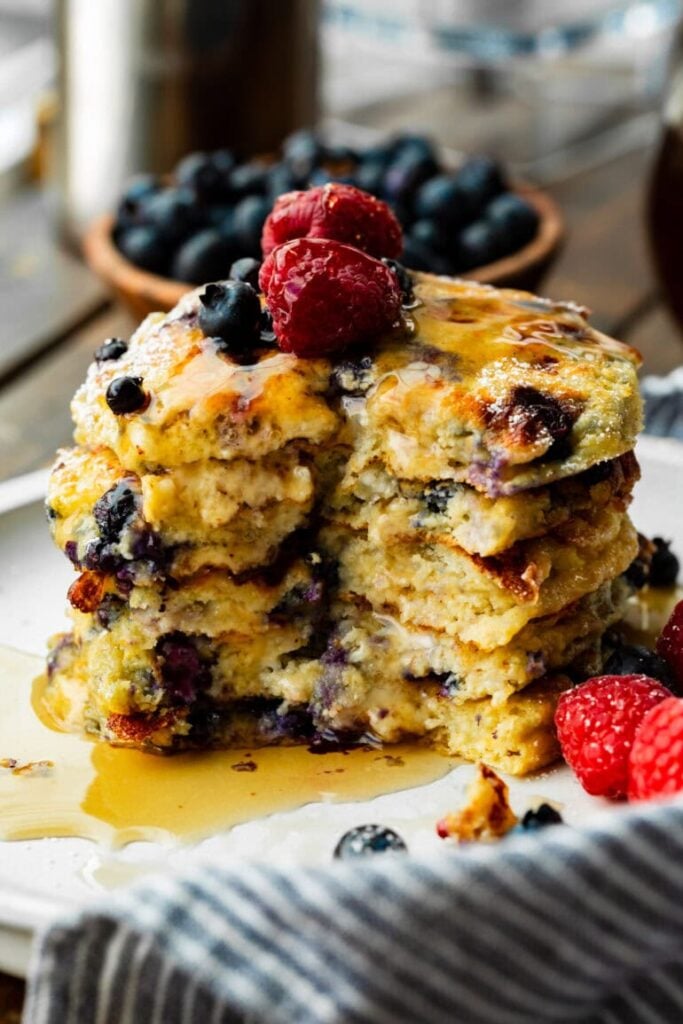
1. Cottage Cheese Pancakes with Blueberries
These pancakes combine cottage cheese with fresh blueberries for a protein-rich breakfast. The cottage cheese adds moisture and creates a fluffy texture while boosting the protein content to around 20-25 grams per serving.
You can make them in about 20 minutes using basic ingredients like eggs, flour, and baking powder. The cottage cheese blends into the batter and gives the pancakes a slight tang that pairs well with the sweet blueberries.
They work well for meal prep since you can freeze them and reheat them later.

2. Spinach and Cottage Cheese Stuffed Shells
Stuffed shells make an impressive dinner without complicated steps. You fill jumbo pasta shells with a mixture of cottage cheese, spinach, and seasonings, then bake them in marinara sauce.
The cottage cheese creates a lighter filling than traditional ricotta while adding extra protein. You’ll mix it with mozzarella, Parmesan, and herbs for flavor.
Cook your shells until they’re just tender, then stuff them with the cheese mixture. Arrange them in a baking dish with sauce, cover with foil, and bake at 350°F for about 35 minutes.

3. Savory Cottage Cheese and Herb Spread
This protein-packed spread takes just five minutes to make. You blend cottage cheese with fresh garlic, herbs like dill or chives, and a squeeze of lemon juice until smooth and creamy.
The result works as a dip for vegetables, a spread for sandwiches, or a topping for toast. You can adjust the herbs based on what you have available.
Keep it in your fridge for quick snacks throughout the week. It stays fresh for up to five days in an airtight container.

4. Cottage Cheese and Corn Muffins
Cottage cheese and corn muffins bring together sweet corn flavor with extra protein. The cottage cheese blends into the batter and creates a soft, moist texture.
You won’t taste the cheese in the finished muffins. These muffins work well for breakfast, as a snack, or alongside soup and chili.
You can make them with cornmeal or corn muffin mix. They bake up with crispy edges and a tender inside.

5. Creamy Cottage Cheese Pasta Bake
This pasta bake turns cottage cheese into a rich, creamy sauce that coats every noodle. You’ll get about 28 grams of protein per serving while keeping costs low.
The cottage cheese melts during baking to create a smooth texture without heavy cream. Layer cooked pasta with cottage cheese, marinara sauce, and your choice of vegetables or ground turkey.
Top with mozzarella and bake until golden and bubbly. The whole dish comes together in under 30 minutes, making it perfect for busy weeknight dinners.

6. Cottage Cheese and Avocado Toast
Cottage cheese and avocado toast combines two nutrient-rich ingredients for a balanced breakfast or snack. You spread cottage cheese on toasted bread, then add mashed or sliced avocado on top.
This pairing gives you protein from the cottage cheese and healthy fats from the avocado. You can use any bread you prefer, like whole grain or sourdough.
Add toppings like everything bagel seasoning, lemon juice, or sliced tomatoes to match your taste. The meal comes together in just a few minutes.

7. High-Protein Cottage Cheese Egg Bites
These egg bites offer a simple way to start your day with protein. You blend eggs with cottage cheese until smooth, then bake them in muffin tins.
Each bite delivers around 7 grams of protein. The cottage cheese creates a soft, fluffy texture that’s different from regular scrambled eggs.
You can make a batch on Sunday and eat them throughout the week. They work well for breakfast or as a quick snack.
Add vegetables, cheese, or cooked bacon to customize the flavor.
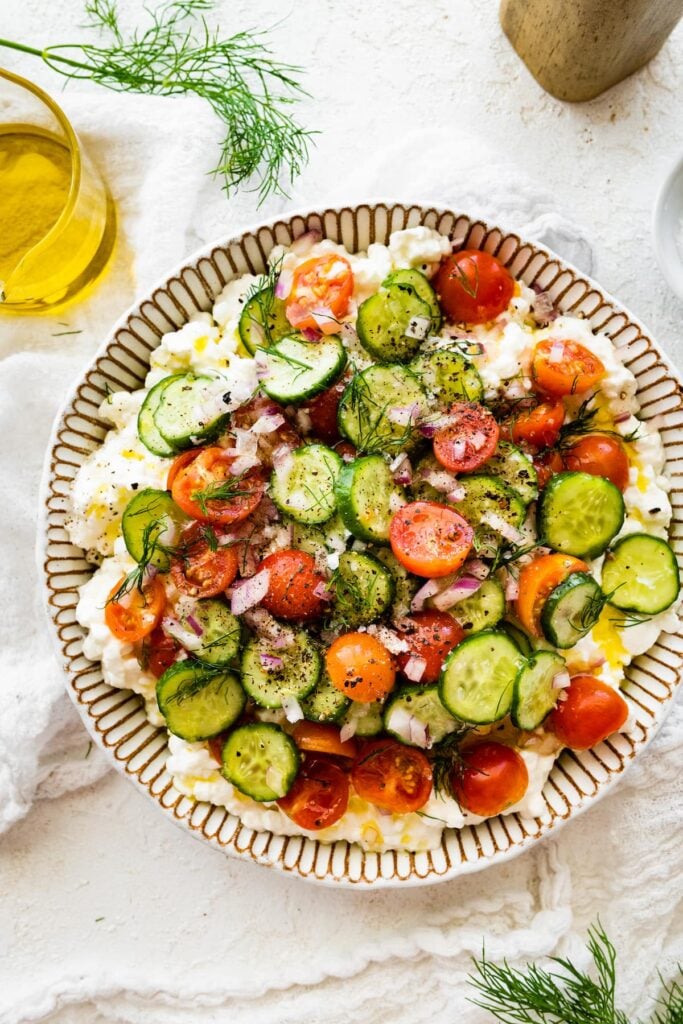
8. Cottage Cheese and Tomato Salad
This simple salad pairs creamy cottage cheese with fresh tomatoes for a protein-rich meal. You can use cherry tomatoes or larger varieties cut into chunks.
Add cucumbers, fresh basil, and a splash of balsamic vinegar to boost the flavor. The cottage cheese acts as a mild base that lets the tomatoes shine.
Make this salad right before serving. Tomatoes release water when mixed ahead of time, which can make your cottage cheese watery and dilute the taste.
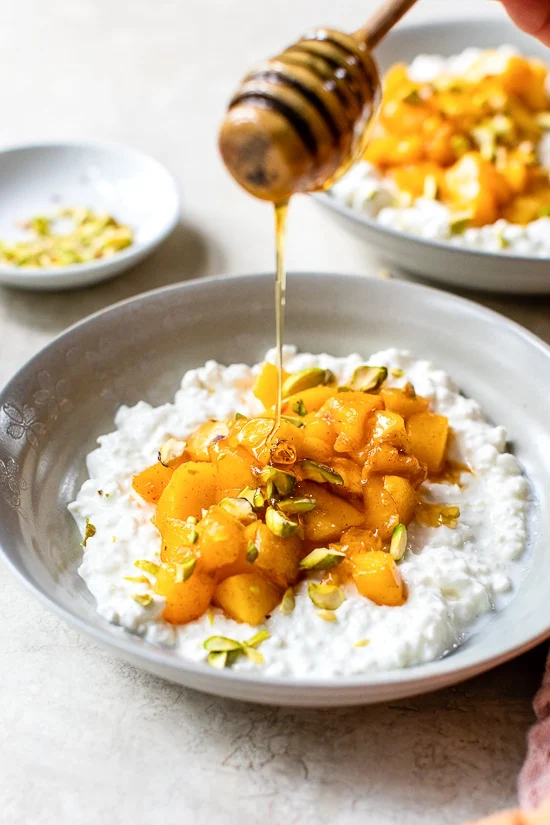
9. Sweet Cottage Cheese and Peach Parfait
This parfait layers creamy cottage cheese with fresh peaches for a protein-rich treat. You can enjoy it for breakfast or as a light dessert.
The recipe comes together in under 10 minutes. Layer cottage cheese with sliced peaches in a glass or bowl.
Add granola for crunch and drizzle honey on top if you want extra sweetness. Fresh peaches work best during summer, but frozen peaches are a good option year-round.
You get protein from the cottage cheese and natural sugars from the fruit.

10. Cottage Cheese Lasagna with Zucchini
Cottage cheese lasagna with zucchini swaps traditional pasta for thin zucchini slices. This creates a low-carb meal that still tastes rich and satisfying.
The cottage cheese adds protein while keeping the texture creamy. You layer it between zucchini strips, meat sauce, and mozzarella cheese.
You can use ground beef or turkey for the meat layer. The dish comes together easily and delivers the comfort of regular lasagna.
Nutritional Benefits of Cottage Cheese
Cottage cheese delivers a strong nutritional profile with high protein, essential vitamins and minerals, and fits well into many eating plans.
Understanding what makes this dairy food valuable helps you make informed choices about including it in your meals.
Protein Content and Dietary Value
Cottage cheese stands out as a protein-rich food. A single cup of low-fat cottage cheese provides about 24 grams of protein.
This makes it an excellent choice if you want to increase your protein intake without consuming a lot of calories. The protein in cottage cheese is complete, meaning it contains all nine essential amino acids your body needs.
Your body uses these amino acids to build and repair muscles, support immune function, and maintain healthy skin and hair. One cup of low-fat cottage cheese typically contains around 180 calories.
This low calorie count combined with high protein makes it useful if you’re trying to manage your weight. The protein helps you feel full longer, which can reduce snacking between meals.
Vitamins and Minerals in Cottage Cheese
Cottage cheese contains several important vitamins and minerals your body needs daily. It’s particularly high in calcium, with one cup providing about 14% of your daily requirement.
This calcium supports strong bones and teeth. You’ll also get significant amounts of phosphorus, which works with calcium to build bone strength.
Cottage cheese provides B vitamins, including B12, which helps your body produce red blood cells and maintain nerve function. Riboflavin, another B vitamin found in cottage cheese, helps convert food into energy.
The sodium content in cottage cheese can be high, with some varieties containing 800 milligrams or more per cup. If you’re watching your sodium intake, look for low-sodium versions that contain about half this amount.
Cottage Cheese for Special Diets
Cottage cheese works well for low-carb and keto diets. One cup contains only about 6 grams of carbohydrates, making it easy to fit into restricted carb limits.
The high fat content in full-fat versions also aligns with keto requirements. If you’re lactose intolerant, cottage cheese may be easier to digest than other dairy products.
The manufacturing process removes much of the lactose, though it still contains some. You can find lactose-free versions at most grocery stores.
Cottage cheese fits into vegetarian diets as a protein source. It provides nutrients that vegetarians sometimes struggle to get enough of, like B12 and complete protein.
Expert Tips for Cooking With Cottage Cheese
Getting the most out of cottage cheese means knowing what to buy, how to store it, and which flavors work best together. These practical tips will help you use cottage cheese successfully in any recipe.
How to Choose the Best Cottage Cheese
The fat content you choose affects both taste and texture in your recipes. Full-fat cottage cheese (4% milkfat) creates the creamiest results and works best for creamy sauces and dips.
Low-fat (2%) and nonfat versions have less richness but still provide protein for lighter dishes. Check the curd size based on what you’re making.
Small curd cottage cheese blends smoothly in sauces and baked goods. Large curd works well when you want visible texture in dishes like pasta bakes or as a topping.
Read the ingredient list carefully. Look for cottage cheese with minimal ingredients – just milk, cream, salt, and cultures.
Avoid products with added gums or fillers unless you specifically need extra thickness.
Proper Storage and Shelf Life
Store cottage cheese in the coldest part of your refrigerator, usually the back of a lower shelf. Keep it in its original container with the lid tightly sealed.
Never leave cottage cheese at room temperature for more than two hours. Use cottage cheese within 5-7 days after opening for the best quality and taste.
Check the “use by” date on unopened containers and plan to use it within one week of that date once opened. You can freeze cottage cheese for up to three months, but the texture will change significantly.
Frozen and thawed cottage cheese works better for cooked dishes like casseroles than for fresh applications. Stir well after thawing to redistribute any separated liquid.
Texture and Flavor Pairings
Blend cottage cheese until smooth when you want a creamy base for alfredo sauce, salad dressings, or dips. A high-powered blender or food processor eliminates all lumps in 30-60 seconds.
The mild, slightly tangy flavor of cottage cheese complements both sweet and savory ingredients. It pairs well with:
- Savory: garlic, herbs, tomatoes, spinach, pasta, eggs
- Sweet: berries, honey, cinnamon, vanilla, fruit
Use cottage cheese as a substitute for ricotta in lasagna or stuffed shells at a 1:1 ratio. Replace sour cream or mayonnaise in dips with blended cottage cheese to add protein while reducing calories.
Mix it into scrambled eggs or use it as a base for high-protein pancakes and muffins.
Frequently Asked Questions
Cottage cheese works well in many different types of meals, from weight-loss friendly breakfasts to protein-packed dinners. You can use it in both sweet and savory dishes to meet your health goals.
What are some healthy cottage cheese recipes for weight loss?
Cottage cheese pancakes with blueberries make a great breakfast option because they’re high in protein and keep you full longer. The protein content helps control your hunger throughout the morning.
You can also try a savory cottage cheese and herb spread as a snack. This gives you nutrients without many calories.
It works as a dip for vegetables or a spread on whole grain crackers.
Can you suggest high-protein cottage cheese dishes suitable for dieting?
Cottage cheese naturally contains a lot of protein, which makes it perfect for dieting. A single cup can have around 25 grams of protein depending on the brand.
Spinach and cottage cheese stuffed shells provide protein from both the cheese and the pasta. This meal keeps you satisfied without feeling heavy.
You can add more vegetables to increase the fiber content. Creamy cottage cheese pasta bake is another high-protein option.
It uses cottage cheese instead of heavy cream to cut calories while maintaining protein levels.
What are the best cottage cheese recipes for a vegetarian meal plan?
Spinach and cottage cheese stuffed shells work perfectly for vegetarians. They combine protein, vegetables, and carbohydrates in one dish.
Cottage cheese and corn muffins add variety to your vegetarian meals. These work as side dishes or breakfast options.
The combination of corn and cottage cheese creates a complete protein source.
A savory cottage cheese and herb spread gives you a protein boost without meat. You can customize it with different herbs based on your taste preferences.
Which cottage cheese recipes are ideal for a quick and easy meal prep?
You can make cottage cheese and corn muffins in batches. Store them in the refrigerator for up to five days or freeze them for longer.
The savory cottage cheese and herb spread takes only minutes to prepare. Make it ahead and use it throughout the week with different meals.
You can make cottage cheese pancakes with blueberries in advance and reheat them. They freeze well and thaw quickly for busy mornings.
Could you provide some cottage cheese dessert options that are both healthy and satisfying?
Cottage cheese pancakes with blueberries work as both breakfast and dessert. The natural sweetness from blueberries reduces the need for added sugar.
Blend cottage cheese until smooth and use it in place of cream cheese in desserts. This cuts calories while adding protein.
Mix it with vanilla extract and a small amount of honey for a simple pudding-like treat.
Cottage cheese also works well in ice cream recipes. The protein content makes frozen desserts more filling and nutritious.
What kind of dinners can I make with cottage cheese that are both nutritious and delicious?
Creamy cottage cheese pasta bake serves as a complete dinner option. It includes pasta and protein from the cottage cheese.
You can add vegetables for extra nutrition.
Spinach and cottage cheese stuffed shells make an impressive dinner. The cottage cheese creates a creamy filling without heavy cream or excessive calories.
You can use cottage cheese as a base for lasagna instead of ricotta. This gives you a similar texture with more protein and fewer calories.