
Greek cooking brings together fresh ingredients, bold flavors, and simple methods that anyone can master at home. The food from this Mediterranean country uses basics like olive oil, lemon, garlic, and herbs to create meals that taste both light and satisfying.
These dishes work well for family dinners, weekend gatherings, or when you want to try something new in your kitchen.
This collection includes classic Greek recipes that range from appetizers and main courses to soups and desserts, giving you everything you need to make authentic Mediterranean meals. You’ll find popular dishes like spanakopita and moussaka alongside lighter options like Greek salad and lemon potatoes.
Each recipe focuses on the core tastes and techniques that make Greek food special, without requiring hard-to-find ingredients or complicated steps.
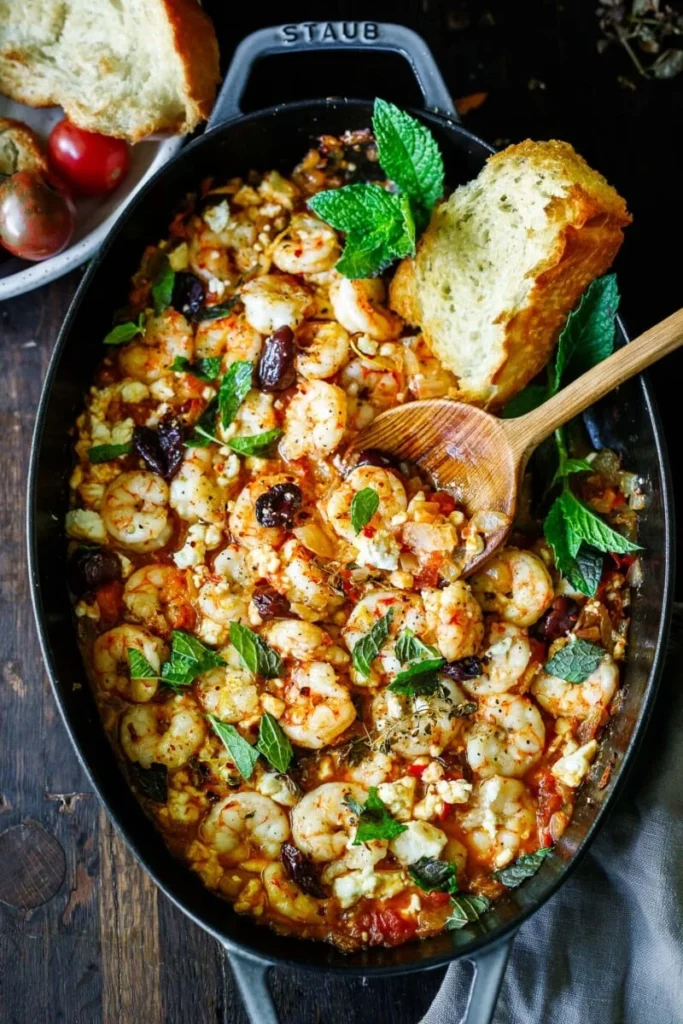
1. Shrimp Saganaki
Shrimp saganaki is a classic Greek dish that brings together plump shrimp with a savory tomato sauce and creamy feta cheese. You can make this meal in about 30 minutes or less, making it perfect for busy weeknights.
The dish features garlic, herbs, and spices that create rich Mediterranean flavors. Cook the shrimp in the tomato sauce, then top everything with feta cheese.
Serve your shrimp saganaki with crusty bread to soak up the flavorful sauce. Pair it with orzo for a complete meal.

2. Chicken Souvlaki with Tzatziki
Chicken souvlaki brings authentic Greek flavors to your table. Marinate chicken pieces in lemon, garlic, and oregano before grilling them on skewers.
This creates tender, juicy meat with a bright Mediterranean taste. The dish pairs with tzatziki, a cool cucumber and yogurt sauce.
Serve your souvlaki in warm pita bread with fresh vegetables or on a plate with rice. The combination of grilled chicken and creamy sauce makes this recipe a favorite in Greek cooking.
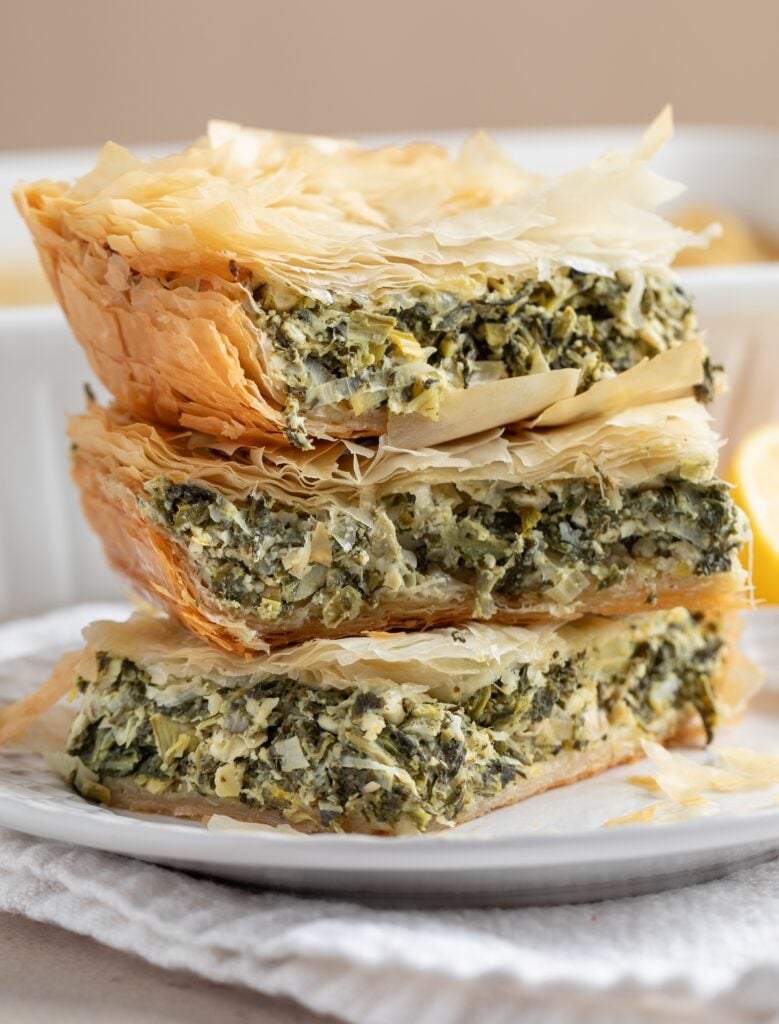
3. Spanakopita (Spinach Pie)
Spanakopita is a classic Greek dish that combines spinach and feta cheese wrapped in crispy phyllo dough. The contrast between the golden, flaky layers and the creamy filling inside is irresistible.
The filling typically includes spinach, feta cheese, and fresh herbs. Some recipes add ricotta for extra creaminess.
Bake it as a large casserole or fold it into individual triangles. This vegetarian pie works well as a main dish or side.
It takes about an hour to make from scratch. Phyllo is easier to work with than you might think.

4. Greek Lemon Potatoes
Greek lemon potatoes are a classic side dish that brings bright Mediterranean flavors to your table. Roast potato wedges in a mixture of lemon juice, olive oil, garlic, and oregano until they turn golden.
The potatoes absorb the tangy sauce as they cook. This creates a crispy outside and a soft, flavorful inside.
Serve these potatoes with grilled meats, fish, or enjoy them on their own. The simple ingredients make this dish easy to prepare for weeknight dinners.

5. Moussaka
Moussaka stands as Greece’s most beloved traditional dish. You’ll find it in nearly every taverna and Greek home kitchen.
This hearty casserole layers sliced eggplant with a spiced meat sauce. Ground beef or lamb simmers with cinnamon and warm spices.
Some recipes add a layer of potatoes at the bottom. The signature element is the creamy béchamel sauce on top.
Bake until golden and bubbly. The result is a rich, satisfying dish that combines all the best flavors of Greek cooking.

6. Greek Salad with Feta
Greek salad, also called Horiatiki, is a classic Mediterranean dish you can make in under 20 minutes. You’ll need fresh tomatoes, crisp cucumbers, Kalamata olives, red onion, and feta cheese.
The dressing is simple. Mix olive oil with vinegar and oregano for a light, tangy flavor.
For the best results, use block feta instead of pre-crumbled cheese. Toss everything together right before serving to keep the vegetables crisp and fresh.

7. Baklava
Baklava is a classic Greek dessert that combines layers of crispy phyllo dough with chopped nuts and sweet honey syrup. You’ll typically find it made with walnuts, almonds, or a combination of both.
The nuts are usually mixed with cinnamon and sometimes cloves for extra flavor. After baking until golden brown, soak the pastry in a honey-based syrup flavored with lemon and cinnamon.
This dessert is easier to make than you might think. The key is working with thin phyllo sheets and brushing each layer with butter before adding your nut filling.

8. Avgolemono Soup
Avgolemono is a classic Greek soup that combines chicken, rice, and a creamy egg-lemon sauce. The name translates to “egg-lemon,” which describes the two main ingredients that give this soup its signature texture and tangy flavor.
The warm broth blends with fresh lemon juice and eggs to create a silky, rich consistency. The soup is comfort food at its best.
The recipe uses simple ingredients you likely have on hand. Make it as an easy weeknight meal that’s ready in about 30 minutes.

9. Keftedes (Greek Meatballs)
Keftedes are traditional Greek meatballs that bring together ground meat with fresh herbs and aromatic spices. Use ingredients like onion, garlic, parsley, and mint for authentic flavor.
These meatballs work well as an appetizer or main dish. Pan-fry them for a crispy outside or bake them for easier preparation.
Serve your keftedes with tzatziki sauce and warm pita bread. They also pair nicely with a simple Greek salad on the side.

10. Pastitsio
Pastitsio is a classic Greek baked pasta dish that belongs on your table. Layer tube-shaped pasta with a spiced meat sauce and top it with creamy béchamel.
The meat sauce includes cinnamon and warming spices that make this dish unique. Many people call it Greek lasagna because of its layered structure.
Serve pastitsio at family dinners or special gatherings.
Key Ingredients in Greek Cooking
Greek cooking relies on fresh, high-quality ingredients that create bold Mediterranean flavors. Olive oil, fresh herbs, and simple dairy products form the base of most traditional dishes.
Essential Herbs and Spices
Oregano stands as the most important herb in Greek cooking. You’ll find it dried and sprinkled over salads, grilled meats, and roasted vegetables.
The dried version has a stronger flavor than fresh oregano. Fresh dill appears in many Greek dishes, especially when paired with yogurt sauces and fish.
Use dill in tzatziki and add it to vegetable dishes for a bright, fresh taste.
Common Greek herbs and spices include:
- Oregano – Used dried in most dishes
- Dill – Fresh leaves for sauces and vegetables
- Mint – Fresh in salads and meat dishes
- Parsley – Flat-leaf variety preferred
- Cinnamon – Added to meat stews and tomato sauces
- Bay leaves – Essential for braised dishes
Cinnamon might surprise you in savory Greek cooking. It adds warmth to tomato-based meat sauces and stews.
You only need a small amount to create depth in these dishes.
Staple Grains and Legumes
Rice serves as a base for many Greek meals and stuffings. Use it in dolmades (stuffed grape leaves) and as a side dish.
Medium-grain rice absorbs flavors well. Lentils and chickpeas appear regularly in Greek soups and side dishes.
They provide protein and create hearty meals when combined with vegetables and olive oil.
Key grains and legumes:
- White rice (medium-grain)
- Orzo pasta
- Brown lentils
- Chickpeas
- Fava beans (split yellow peas)
Phyllo dough is a paper-thin pastry you’ll need for both sweet and savory Greek dishes. Buy it frozen and use it for spanakopita, baklava, and other layered pastries.
Keep it covered with a damp towel while working to prevent it from drying out.
Oils and Dairy Products
Extra virgin olive oil is the foundation of Greek cooking. Use it for cooking, dressing salads, and drizzling over finished dishes.
Greek cooks use olive oil generously, so invest in a good quality bottle. Feta cheese brings salty, tangy flavor to salads, pies, and baked dishes.
Real Greek feta comes from sheep’s milk or a mixture of sheep and goat milk. You’ll find it packaged in brine to keep it fresh and moist.
Greek yogurt is thick and creamy with a tangy taste. Use it in sauces like tzatziki, as a marinade for meat, or as a side dish.
Full-fat yogurt gives you the best flavor and texture. Lemon juice works alongside olive oil in most Greek dishes.
Squeeze fresh lemons over grilled fish, mix it into dressings, and use it to brighten up cooked vegetables.
Traditional Cooking Techniques
Greek cooking relies on methods that bring out natural flavors through high heat and simple preparation. These techniques use minimal ingredients while creating rich tastes that define Mediterranean cuisine.
Baking and Roasting Methods
Greek baking transforms simple ingredients into dishes with deep, concentrated flavors. Use your oven at moderate to high temperatures, typically between 350°F and 425°F, to create crispy exteriors while keeping interiors moist.
Roast vegetables by coating them with olive oil, salt, and oregano before placing them in a hot oven. Eggplant, tomatoes, and peppers develop a sweet, caramelized taste when roasted this way.
Turn vegetables halfway through cooking to ensure even browning. For baking casseroles like moussaka or pastitsio, layer ingredients and finish with a béchamel sauce on top.
The oven creates a golden crust while the layers meld together. Most casseroles bake for 45-60 minutes until bubbling at the edges.
Phyllo pastry dishes require a light touch with melted butter between each thin layer. Brush every sheet before stacking to achieve the signature flaky texture.
Pies like spanakopita need 30-40 minutes at 375°F until golden brown.
Grilling and Sautéing Basics
Greek grilling uses direct high heat to char meats and vegetables quickly. Cook souvlaki, lamb chops, and fish over open flames or on a grill pan to create smoky flavors and crispy edges.
Marinate before grilling as standard practice. Combine olive oil, lemon juice, garlic, and herbs like oregano or thyme.
Let meats soak for 2-4 hours, while fish needs only 30 minutes to absorb flavors without breaking down. For sautéing, heat olive oil in a pan over medium-high heat before adding ingredients.
Greens like horta need just 3-5 minutes with garlic and lemon. Use this method for quick-cooking vegetables and seafood, keeping ingredients moving in the pan to prevent burning while developing color.
Frequently Asked Questions
Greek cooking includes everything from quick weeknight meals to elaborate dishes that take more time. You can make simple dips like tzatziki in minutes or spend hours layering a traditional moussaka.
What are some traditional main dishes in Greek cuisine?
Moussaka stands as one of Greece’s most famous dishes. It features layers of eggplant, spiced meat sauce, and creamy béchamel sauce baked until golden.
Pastitsio is another beloved main dish. This baked pasta casserole combines tubular pasta with seasoned ground meat and a thick béchamel topping.
Lamb dishes hold a special place in Greek cuisine. You’ll find slow-roasted leg of lamb seasoned with garlic, lemon, and oregano at many family gatherings.
How can I prepare a Greek dinner using authentic recipes?
Start with a simple mezze spread. Serve tzatziki, hummus, and olives with warm pita bread.
Add a main course like Chicken Souvlaki or Shrimp Saganaki. Pair these dishes with Greek Lemon Potatoes as a side.
Make a Greek salad from tomatoes, cucumbers, red onions, and feta cheese. Dress it with olive oil and oregano for authentic flavor.
What are the top chicken recipes from Greek culinary tradition?
Chicken Souvlaki tops the list. Marinate chicken pieces in lemon juice, olive oil, and herbs before grilling them on skewers.
Another favorite is Greek roasted chicken with potatoes. Roast the chicken in lemon juice and olive oil while potatoes cook underneath to absorb the flavorful juices.
Kotopoulo riganato features chicken baked with oregano and lemon. This simple dish uses just a few ingredients but delivers bold taste.
Which Greek recipes are considered the easiest to make?
Tzatziki requires only yogurt, cucumber, garlic, and dill. Mix it together in five minutes.
Greek Lemon Potatoes need potatoes, lemon juice, olive oil, and oregano. Cut the potatoes, toss with the other ingredients, and roast them.
Greek salad takes no cooking. Chop vegetables, add feta cheese and olives, then dress with oil and vinegar.
Can you suggest modern twists on classic Greek dishes?
Make Spanakopita using phyllo cups instead of full sheets. This creates individual portions perfect for parties.
Try Shrimp Saganaki with cherry tomatoes instead of regular tomatoes. The smaller tomatoes add a sweeter flavor and cook faster.
Replace traditional lamb in moussaka with ground turkey or plant-based meat. Enjoy the same layered effect with different protein options.
What collection of Greek recipes are ideal for a family meal?
Chicken Souvlaki works well for families because you can prepare the skewers ahead of time. Kids enjoy eating food on sticks.
Spanakopita serves a crowd. You can cut it into any size portions.
The spinach and feta filling appeals to both adults and children.
Greek Lemon Potatoes complement almost any main dish. They’re filling and budget-friendly.