
Spanish cuisine offers some of the world’s most beloved and flavorful dishes. From coastal seafood specialties to hearty mountain stews, Spain’s diverse regions each contribute unique flavors and cooking methods passed down through generations.
These 21 authentic Spanish recipes will help you bring the true taste of Spain into your own kitchen. You’ll discover classic dishes like paella and tortilla española alongside regional favorites such as Galician octopus and Asturian bean stew.
Each recipe includes traditional techniques and essential ingredients that make Spanish cooking so special.

1. Paella Valenciana
Paella Valenciana is Spain’s most famous rice dish from the Valencia region. This is the original paella recipe.
The traditional version uses chicken and rabbit with green beans and butter beans. Saffron gives the rice its golden color and special taste.
You cook paella in a wide, shallow pan over open flames. The rice forms a crispy bottom layer called socarrat that adds great texture.
Real paella Valenciana never includes seafood or chorizo. These ingredients belong in other paella types.

2. Tortilla Española (Spanish Omelet)
This thick potato omelet is Spain’s most famous dish. You need just five simple ingredients: eggs, potatoes, onions, olive oil, and salt.
The key is cooking sliced potatoes slowly in olive oil until tender. Then you mix them with beaten eggs and cook everything together in a pan.
You can eat tortilla española hot or cold. It works perfectly for breakfast, lunch, or dinner.
Each bite gives you creamy eggs and soft potatoes.

3. Patatas Bravas
Patatas Bravas are crispy potato chunks served with spicy tomato sauce. This popular Spanish tapas dish gets its name from “bravas,” which means fierce.
The potatoes are usually fried or roasted until golden. They come topped with a smoky, spicy sauce and creamy garlic aioli.
You can make this dish in about 30 minutes. It works great as an appetizer or side dish for your Spanish meal.
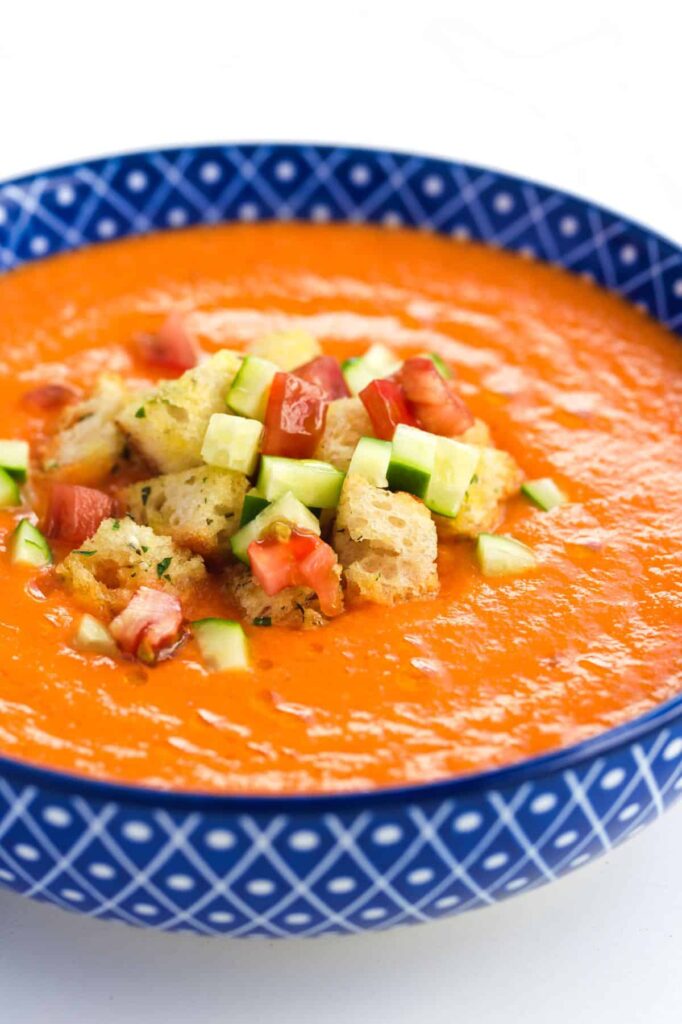
4. Gazpacho
Gazpacho is Spain’s famous cold soup from Andalusia. You make it with fresh tomatoes, cucumbers, peppers, and herbs.
This refreshing dish needs no cooking. You just blend the ingredients and chill the soup.
Gazpacho works perfectly for hot summer days. The cold temperature helps cool you down while providing lots of vitamins.
Use ripe, fresh vegetables for the best flavor and smooth texture.

5. Pulpo a la Gallega (Galician Octopus)
This simple dish from Spain’s Galicia region uses just five ingredients. The recipe calls for octopus, potatoes, olive oil, salt, and paprika.
Getting the octopus tender takes practice. You need to cook it just right to avoid tough, chewy meat.
You slice the octopus into rounds and arrange them over boiled potatoes. Serve the dish on wooden plates.
Drizzle olive oil on top. Sprinkle sea salt and smoky Spanish paprika over everything.

6. Croquetas de Jamón (Ham Croquettes)
These crispy ham croquettes appear on tapas menus across Spain. They’re made with a creamy béchamel sauce mixed with Spanish cured ham.
The outside has a golden, crunchy coating. Inside, you get a smooth, flavorful filling that melts in your mouth.
Form the ham and béchamel mixture into small balls. Coat them in flour, egg, and breadcrumbs before frying.
These bite-sized treats work perfectly as appetizers or snacks.

7. Churros con Chocolate
Churros con chocolate is a classic Spanish treat you can enjoy any time of day. Many people eat it for breakfast, but it also works as a snack or dessert.
The churros are made from fried dough that’s crispy on the outside and light inside. You sprinkle them with cinnamon sugar for extra sweetness.
The chocolate sauce is thick and rich, almost like pudding. Dip the warm churros into this hot chocolate for the perfect bite.

8. Empanadas
Empanadas are savory pastries filled with tasty ingredients. They come from Spain’s Galician region but are now popular across the country.
You can fill empanadas with many things. Traditional Spanish empanadas use spiced ground beef, peppers, onions, and eggs.
Some recipes add olives for extra flavor. The dough uses olive oil instead of butter, making it easier to work with.
Bake Spanish empanadas instead of frying them. This makes them healthier and simpler to prepare at home.

9. Pisto Manchego
Pisto Manchego is Spain’s version of ratatouille. This colorful vegetable stew comes from the La Mancha region.
You’ll use tomatoes, peppers, zucchini, and onions as the main ingredients. The vegetables cook slowly in olive oil and tomato sauce.
This dish works great as a side or main course. Serve it with fried eggs, cheese, or rice.
It’s perfect for using fresh summer produce.

10. Fabada Asturiana
Fabada Asturiana is Spain’s most famous bean stew from the Asturias region. This hearty dish combines tender white beans with smoky Spanish chorizo and other cured meats.
Traditional recipes include chorizo, black pudding, and cured pork alongside the signature white beans. The stew cooks slowly to let all the smoky meat flavors blend with the creamy beans.
You can easily make this filling dish at home for cold days.

11. Escalivada
Escalivada is a traditional Catalan roasted vegetable dish. You roast eggplant, bell peppers, and onions until they become soft and smoky.
Char the vegetables until tender, then peel and slice them into strips. Dress them with olive oil, garlic, and sherry vinegar for a simple but flavorful result.
Serve escalivada warm or at room temperature with crusty bread. It pairs well with meat or fish dishes and works perfectly as a light vegetarian option.

12. Salmorejo
Salmorejo is a creamy Spanish cold soup from Andalucia. You make it with ripe tomatoes, bread, garlic, olive oil, and sherry vinegar.
This chilled soup is thicker than gazpacho. It uses more bread, which gives it a smooth texture.
Serve salmorejo as a starter or light meal during hot summer days. Top it with hard-boiled egg and ham for extra flavor.
The soup is simple to prepare.

13. Bacalao a la Vizcaína
This classic Basque dish features salted cod in a rich red pepper sauce. You’ll find tender, flaky fish swimming in a flavorful mix of peppers, onions, and garlic.
The sauce gets its red color from special peppers and tomatoes. The salted cod needs to be soaked first to remove excess salt.
This hearty stew is popular during holidays in Spain.

14. Albondigas (Spanish Meatballs)
Albondigas are classic Spanish meatballs found in tapas bars across Spain. You make them with ground beef, pork, or both meats combined.
These tender meatballs cook slowly in rich tomato sauce. The sauce often includes roasted red peppers and Spanish wine for extra flavor.
Serve albondigas as small tapas portions or as a main dish with rice or pasta. The meatballs get their Spanish taste from spices like paprika and cumin mixed into the meat.

15. Turrón
Turrón is Spain’s favorite Christmas candy. You’ll find this sweet nougat in every Spanish home during the holidays.
The candy combines almonds, honey, sugar, and egg whites. These simple ingredients create a rich, nutty flavor that Spain loves.
You can choose between two main types. Turrón duro is hard and crunchy with whole almonds.
Turrón blando is soft and smooth like almond paste. Both versions come shaped as rectangular bars.
You can buy them ready-made or try making your own at home.

16. Piquillos Rellenos (Stuffed Piquillo Peppers)
Make this classic Spanish dish with sweet roasted piquillo peppers and your favorite filling. The peppers come from northern Spain and have a mild, smoky flavor.
Fill the peppers with tuna, goat cheese, cod, or meat using a small spoon. Place stuffed peppers in a pan with a lid.
Warm them on low heat for a few minutes. Serve them as tapas on bread or as a main dish with sauce.

17. Caldo Gallego
Caldo Gallego is a traditional soup from Galicia in northwest Spain. You’ll find this hearty dish served throughout the region, especially during cold winter months.
The soup combines turnip greens with white beans and potatoes. Most recipes include chorizo, ham, or other pork for added flavor and protein.
You can adjust the ingredients based on what you have available. Each family in Galicia makes their version slightly different.
This warming soup makes a complete meal on its own.

18. Pasta a la Carbonara (Spanish Style)
Spanish carbonara puts a tasty twist on the Italian classic. You replace the traditional pancetta with Spanish chorizo for a smoky, spiced flavor.
The dish combines spaghetti with crispy chorizo, eggs, and cheese. Many recipes use Manchego cheese instead of Pecorino Romano for an authentic Spanish touch.
Cook the pasta until al dente, then toss it with beaten eggs while hot. This creates a creamy sauce without scrambling the eggs.
The chorizo adds paprika and garlic flavors that make this version unique.

19. Crema Catalana
Crema Catalana is Spain’s answer to crème brûlée. This creamy custard dessert comes from the Catalonia region in northern Spain.
You make it with milk, egg yolks, sugar, and cornstarch. Orange peel and cinnamon give it a unique Spanish flavor.
The dessert has a smooth, creamy texture topped with caramelized sugar. Use a kitchen blowtorch to create the signature crunchy sugar crust before serving.

20. Chorizo a la Sidra (Chorizo in Cider)
Make this classic Spanish tapa with just two main ingredients. Chorizo a la sidra comes from northern Spain’s Asturias region.
The dish features chorizo sausage cooked in dry cider. Slice the chorizo and simmer it in the cider until tender.
This recipe takes less than 20 minutes to prepare. The cider adds a tangy flavor that balances the smoky chorizo perfectly.
Serve chorizo a la sidra as an appetizer or side dish. Pair it with crusty bread for the best experience.

21. Tarta de Santiago
Tarta de Santiago is Spain’s most famous almond cake. This traditional dessert comes from Galicia in northern Spain.
You only need three main ingredients: almonds, sugar, and eggs. The cake is naturally gluten-free and very easy to make.
The cake has a rich almond flavor with a crumbly texture. You can serve it as dessert, for breakfast, or with afternoon tea.
The traditional decoration is the Cross of St. James made with powdered sugar. This cake is named after Santiago, Spain’s patron saint.
Essential Ingredients in Spanish Cooking
Spanish cooking relies on high-quality ingredients that bring out natural flavors through simple preparation. The right herbs, spices, pantry staples, and olive oil form the foundation of authentic Spanish dishes.
Common Herbs and Spices
Paprika (Pimentón) is the most important spice in Spanish cooking. You’ll find three main types: sweet (dulce), hot (picante), and smoked (ahumado).
Smoked paprika from La Vera region gives dishes their signature smoky flavor. Use it in paella, chorizo, and stews.
Saffron adds golden color and earthy taste to paella and rice dishes. Buy saffron threads, not powder, for the best quality.
Garlic appears in almost every Spanish recipe. Fresh garlic cloves work better than pre-minced versions.
Fresh parsley brightens many dishes. Spanish cooks prefer flat-leaf parsley over curly varieties.
Bay leaves add depth to soups and stews. Remove them before serving.
Thyme and rosemary grow wild in Spain. These herbs work well with meat and vegetable dishes.
Key Pantry Staples
Spanish rice forms the base of paella and other rice dishes. Short-grain varieties like Bomba or Calasparra absorb flavors without becoming mushy.
Sherry vinegar from Jerez adds tangy flavor to salads and marinades. Its complex taste beats regular white vinegar.
Spanish olives come in many varieties. Manzanilla and Gordal olives are popular choices for eating and cooking.
Manchego cheese from La Mancha region pairs well with membrillo (quince paste). Age ranges from young (3 months) to old (2 years).
Jamón Serrano is Spain’s famous cured ham. It adds salty, nutty flavor to many dishes.
Spanish beans like garbanzo chickpeas and white beans appear in stews and salads.
Selecting Quality Olive Oil
Spain produces more olive oil than any other country. Extra virgin olive oil works best for Spanish cooking.
Look for oils from specific regions like Andalusia or Catalonia. The harvest date should be recent, within the last year.
Fruity oils work well for salads and finishing dishes. Robust oils handle high-heat cooking better.
Store olive oil in a dark, cool place. Light and heat damage the oil’s flavor and nutrition.
You’ll use olive oil for frying, sautéing, and drizzling over finished dishes. Spanish recipes often call for generous amounts.
Buy olive oil in dark glass bottles or tins. Clear plastic bottles let in too much light.
Techniques for Authentic Spanish Dishes
Spanish cooking relies on time-tested methods and high-quality ingredients to create bold flavors. Mastering traditional techniques like proper sautéing and balancing paprika, olive oil, and garlic is key.
Traditional Cooking Methods
Sofrito forms the base of many Spanish dishes. You create this flavor foundation by slowly cooking onions, garlic, and tomatoes in olive oil until they become a thick paste.
Start with diced onions in good olive oil over medium-low heat. Cook them until they turn golden and soft.
Add minced garlic and cook for one more minute.
Paella cooking requires a wide, shallow pan called a paellera. You build layers of flavor by first creating a sofrito, then adding rice and liquid.
Never stir paella once you add the rice. The socarrat (crispy bottom layer) is the prize.
You’ll hear crackling sounds when it forms.
Plancha grilling uses a flat metal surface over high heat. This method works best for seafood, vegetables, and meats.
The quick cooking seals in juices while creating a light char.
Tips for Achieving Authentic Flavors
Quality ingredients make the biggest difference in Spanish cooking. Use Spanish olive oil, not just any olive oil.
The flavor is stronger and more fruity.
Spanish paprika comes in three types:
- Dulce (sweet) – mild and slightly sweet
- Agridulce (bittersweet) – medium heat with complexity
- Picante (hot) – adds heat and smoky depth
Saffron should be real, not artificial coloring. Crush the threads and soak them in warm broth before adding to dishes.
A little goes a long way.
Salt timing matters in Spanish cooking. Add coarse sea salt early to vegetables and meats.
This draws out moisture and concentrates flavors.
Keep your heat moderate to low for most Spanish dishes. Rushing the cooking process ruins the depth that makes these recipes special.
Frequently Asked Questions
Spanish cooking offers many simple dishes that work well for home cooks and dinner parties. These common questions help you choose the right recipes for different occasions and skill levels.
What are some traditional Spanish dishes that are simple to make at home?
Tortilla Española requires only eggs, potatoes, and olive oil. You can make this classic omelet in about 30 minutes.
Gazpacho needs no cooking at all. Just blend tomatoes, peppers, cucumber, and bread with olive oil and vinegar.
Patatas Bravas uses basic potatoes with a simple tomato sauce. The recipe takes under an hour from start to finish.
Patatas Bravas work perfectly as a tapas starter. The crispy potatoes and spicy sauce please most guests.
Pan con Tomate offers a light option. Rub garlic and tomato on toasted bread, then drizzle with olive oil.
Spanish rice with saffron pairs well with meat dishes. The golden color and mild flavor complement many main courses.
Which Spanish dinner recipes are considered the best for an authentic experience?
Paella Valenciana delivers the most authentic Spanish dining experience. This rice dish from Valencia includes chicken, rabbit, and green beans.
Pulpo a la Gallega brings Galician tradition to your table. The tender octopus with paprika and olive oil tastes like coastal Spain.
Cocido Madrileño offers a hearty Madrid-style chickpea stew. This three-course meal includes meat, vegetables, and broth.
What are some classic Spanish dishes that every food enthusiast should try?
Paella remains Spain’s most famous dish worldwide. The saffron rice creates the signature flavor and color.
Jamón Ibérico represents Spain’s cured ham tradition. This delicacy comes from acorn-fed pigs in specific regions.
Churros con Chocolate provide the classic Spanish dessert experience. The fried dough with thick hot chocolate satisfies any sweet tooth.
Could you provide some easy Spanish recipes suitable for a school project?
Gazpacho requires no heat or special equipment. Students can make this cold soup with a regular blender.
Pan con Tomate needs only bread, tomatoes, garlic, and olive oil. This simple recipe teaches basic Spanish flavors.
Sangria offers a non-alcoholic version for students. Mix fruit juice, chopped fruit, and sparkling water for a Spanish drink.
What are the top-rated Spanish recipes that require few ingredients to prepare?
Tortilla Española uses just three main ingredients. Eggs, potatoes, and olive oil create this beloved omelet.
Pulpo a la Gallega needs only octopus, paprika, salt, and olive oil. The simple preparation lets the octopus flavor shine.
Alioli requires just garlic, egg yolk, and olive oil. This garlic mayonnaise enhances many Spanish dishes.