
Turkish cuisine offers a rich mix of flavors that combine fresh vegetables, grains, and spices from both European and Asian cooking traditions.
These 21 authentic Turkish recipes will help you create restaurant-quality dishes at home using simple ingredients and easy-to-follow steps.
You’ll discover everything from hearty main dishes and comforting soups to sweet desserts and fresh salads.
The recipes cover classic dishes like kebabs, stuffed vegetables, and traditional breakfast foods that Turkish families have enjoyed for generations.
Each recipe uses common ingredients you can find at most grocery stores, making it simple to bring these authentic flavors to your kitchen.
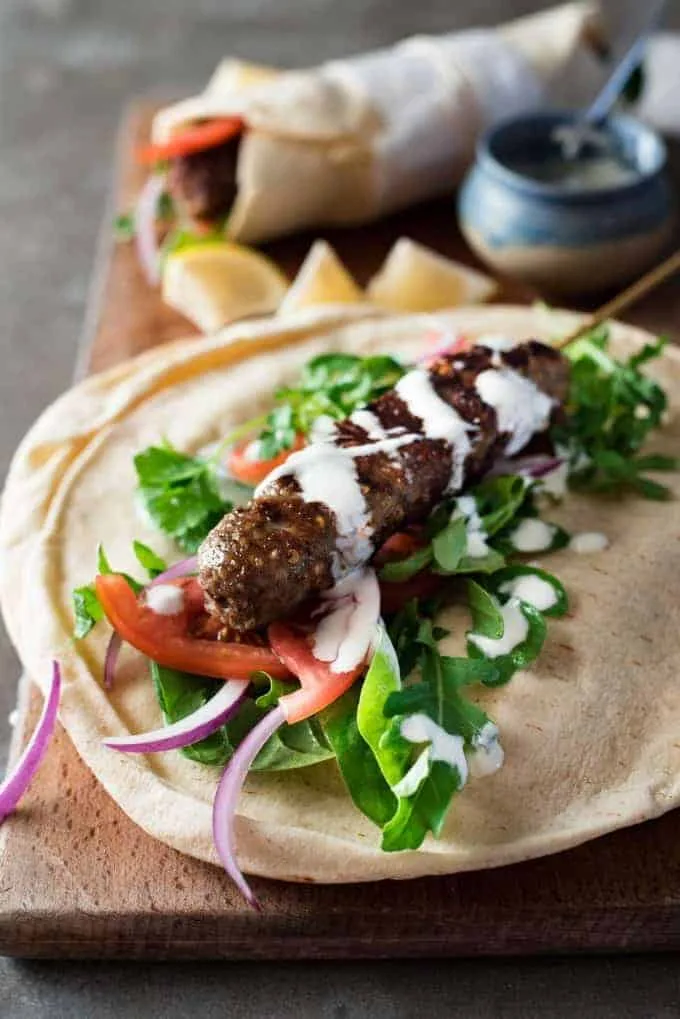
1. Turkish Lamb Kebabs
Turkish lamb kebabs are a true staple of Turkish cuisine.
You’ll find these flavorful skewers grilled to perfection across Turkey.
The key is the marinade.
You marinate chunks of lamb with spices like baharat, tomato paste, and herbs to create deep, rich flavors.
You can make shish kebab with cubed lamb or Adana kebab with ground lamb.
Both use traditional spice blends that make the meat tender and tasty.
Turkish lamb kebabs work great for home cooking.
You can grill them outdoors or cook them in your oven.
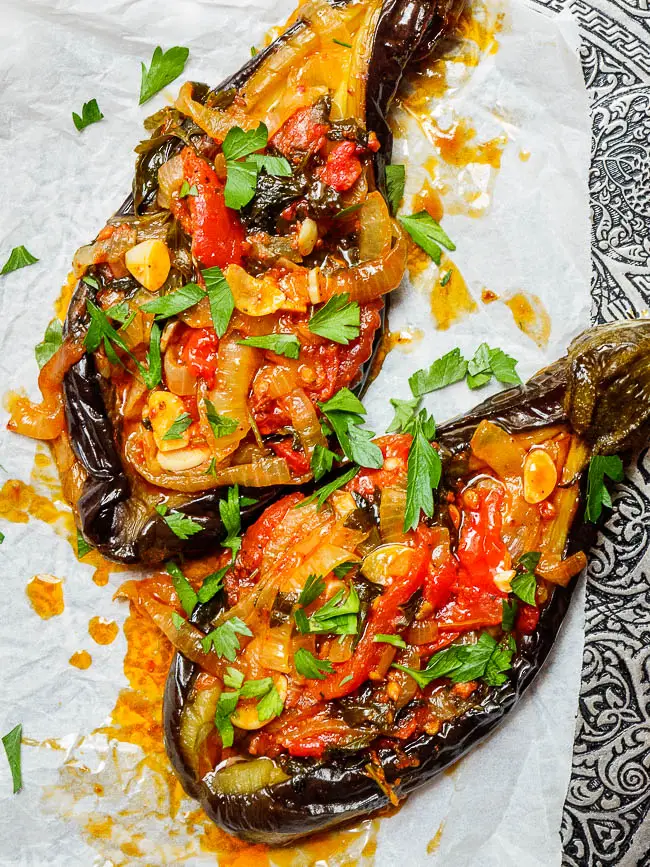
2. Imam Bayildi (Stuffed Eggplant)
Imam Bayildi ranks among Turkey’s most famous vegetarian dishes.
This traditional recipe features tender eggplants stuffed with onions, tomatoes, and garlic.
You’ll cook everything in olive oil until the vegetables become soft and flavorful.
The dish gets its name from a story about an imam who fainted from delight.
Small eggplants work best for this recipe.
They give you a better balance between the eggplant and the vegetable filling inside.
You can serve Imam Bayildi warm or at room temperature as a main dish or side.
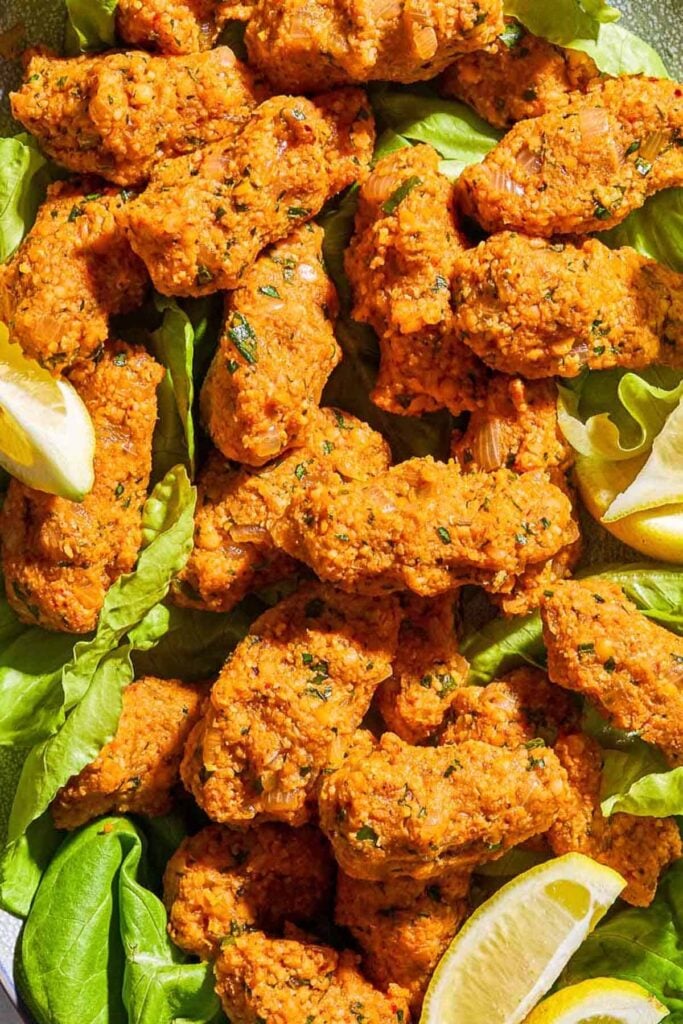
3. Mercimek Köftesi (Lentil Balls)
These Turkish lentil balls are a classic appetizer you’ll find at most Turkish gatherings.
You make them with red lentils, bulgur, and fresh herbs.
The dish is completely vegan and packed with protein.
You cook the lentils until soft, then mix them with bulgur and spices like cumin and Aleppo pepper.
You shape the mixture into small balls with wet hands.
They taste even better the next day after chilling in the fridge.

4. Bulgur Pilaf with Tomatoes and Onions
Bulgur pilaf is a classic Turkish side dish that appears on tables across Turkey.
You cook bulgur wheat with sautéed onions and fresh tomatoes.
This healthy dish takes about 30 minutes to make.
You start by cooking onions in olive oil until soft.
Add chopped tomatoes and bulgur wheat to the pan.
Pour in broth and let everything simmer until the bulgur absorbs the liquid.
You can serve it alongside grilled meats or enjoy it as a light meal.
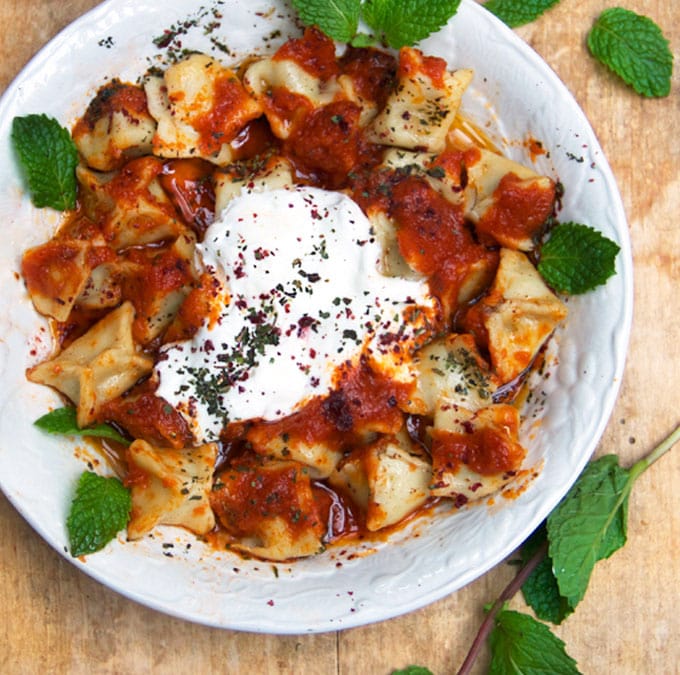
5. Manti (Turkish Dumplings)
Manti are tiny Turkish dumplings that look like small ravioli.
You fill them with spiced ground beef or lamb.
The dough is thin and tender.
Each dumpling is shaped by hand into small parcels.
You boil the dumplings until they float to the surface.
Then you serve them with creamy garlic yogurt sauce.
A drizzle of butter mixed with tomato paste goes on top.
Some recipes add red pepper flakes for heat.
Making manti takes time and patience.
Turkish families often make big batches together for special occasions.

6. Ezogelin Soup
This Turkish red lentil soup is one of the most popular soups in Turkey.
You’ll find it on almost every restaurant menu.
The soup combines red lentils, bulgur, and rice with spices like paprika.
It creates a thick, hearty meal that’s perfect for cold days.
You can make this vegetarian-friendly soup with simple ingredients.
The recipe includes onions, garlic, tomato paste, and chicken stock or water for the base.

7. Sucuklu Yumurta (Eggs with Turkish Sausage)
You’ll love this simple Turkish breakfast that combines spicy sucuk sausage with fried eggs.
The dish brings together bold flavors in just minutes.
Sucuk is a spiced Turkish beef sausage with garlic and spices.
When you cook it, the sausage releases its own fat to fry the eggs.
You don’t need to add extra oil since the sucuk provides enough fat.
Cook the sausage slices first, then crack eggs on top for sunny-side-up style.
This hearty meal pairs well with Turkish bread, fresh salad, or yogurt for a complete breakfast.
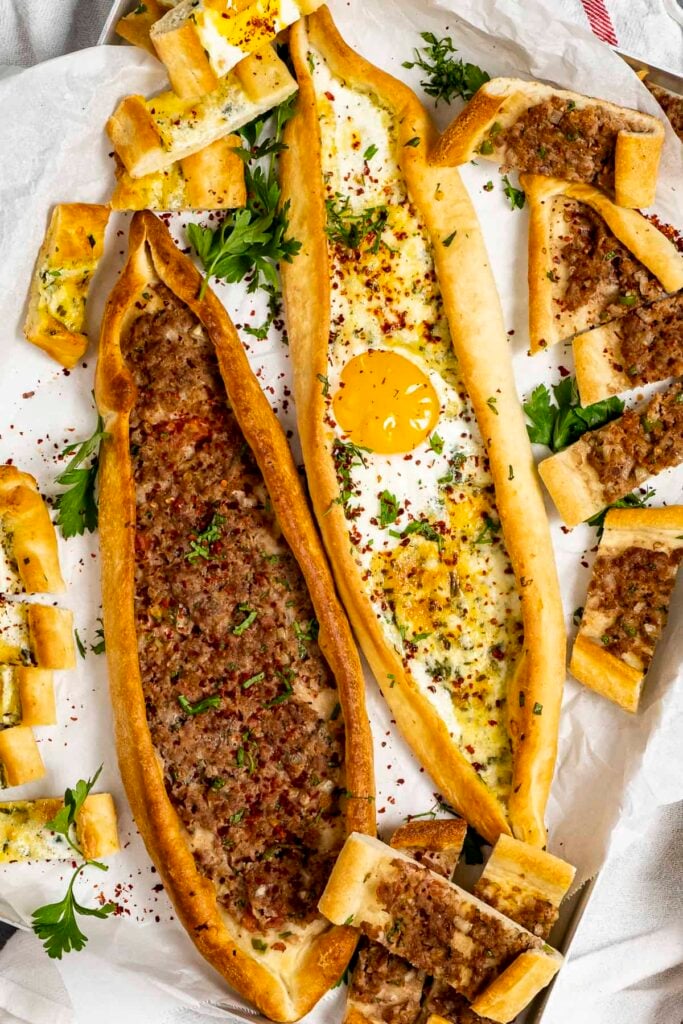
8. Pide with Ground Meat
Pide with ground meat is often called Turkish pizza.
You’ll love this boat-shaped flatbread topped with seasoned meat.
The dough is soft and handmade.
It gets crispy edges when baked in the oven.
Ground beef or lamb mixed with spices fills the center.
Some versions add vegetables like onions and peppers.
You can find this dish at Turkish restaurants everywhere.
It makes a great shared meal or main course.
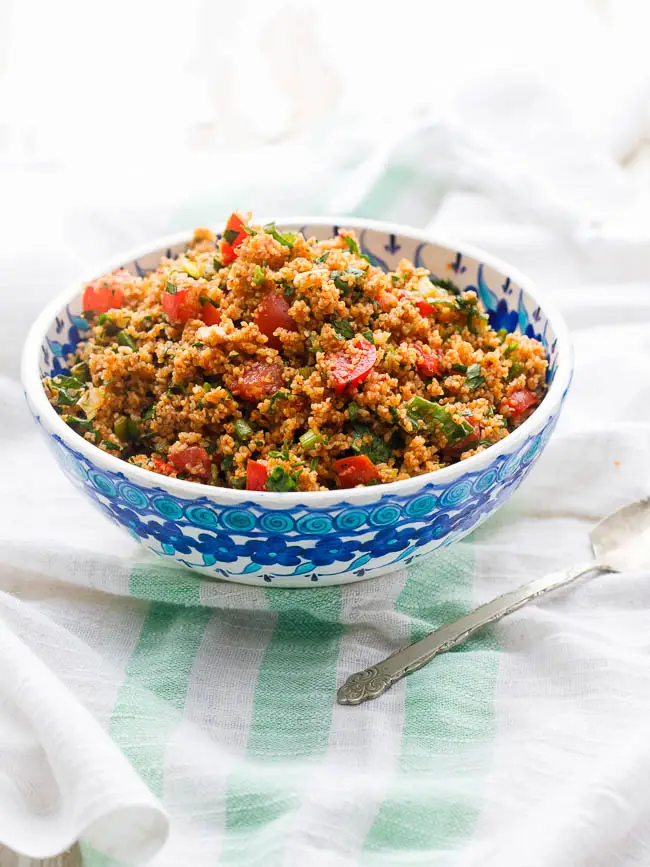
9. Kisir (Turkish Bulgur Salad)
Kisir is a healthy Turkish bulgur salad that makes a great side dish or light meal.
You make it with fine bulgur wheat mixed with fresh vegetables and herbs.
The salad includes tomatoes, cucumbers, onions, and parsley.
You add tomato paste and pomegranate molasses for flavor.
This dish is popular across Turkey.
People eat it as a meze or serve it at gatherings.
You can prepare kisir in about 20 minutes.
It tastes even better the next day, making it perfect for meal prep.

10. Hamsi Tava (Fried Anchovies)
Hamsi Tava is a popular dish from Turkey’s Black Sea coast.
You coat fresh anchovies in cornmeal or flour before frying them.
The fish cook quickly in hot oil until golden and crispy.
You can remove the heads if you prefer, though many cook them whole.
This simple dish takes less than 10 minutes to prepare.
You serve the crispy anchovies with fresh lemon and greens on the side.
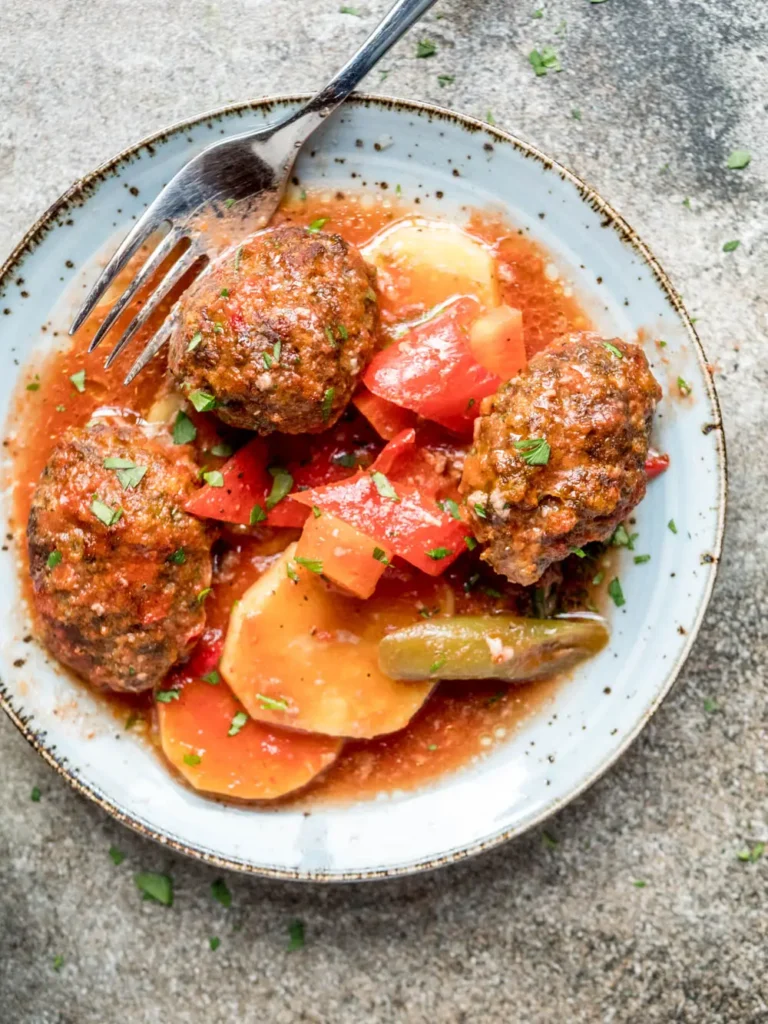
11. Kofte (Turkish Meatballs)
Kofte are classic Turkish meatballs found in every Turkish home.
You can make them with ground beef or lamb mixed with onions and fresh herbs.
The traditional recipe uses simple ingredients like parsley, cumin, and black pepper.
You shape the seasoned meat into small patties or balls.
You can cook kofte by grilling, baking, or pan-frying until golden brown.
They taste great on their own, over rice, or with pita bread.
These juicy meatballs work as both appetizers and main dishes for any meal.

12. Sarma (Stuffed Grape Leaves)
Sarma is a classic Turkish dish featuring grape leaves wrapped around seasoned rice.
You’ll find these small rolls served as appetizers or side dishes throughout Turkey.
The filling combines rice with fresh herbs, spices, and sometimes pine nuts.
Each grape leaf is carefully rolled to create neat bundles.
You can make sarma with or without meat.
The vegetarian version uses olive oil and is often served cold.
This vegan option has roots in Ottoman cuisine.
The cooking process involves simmering the rolls in a pot with lemon juice and olive oil.

13. Baklava
Baklava stands as Turkey’s most famous dessert worldwide.
You’ll find this sweet pastry made with thin phyllo dough layers, nuts, and sweet syrup.
The best Turkish baklava comes from Gaziantep.
This city is known for its pistachio version created in 1871.
You can also use walnuts, almonds, or hazelnuts as fillings.
Making baklava takes time and patience.
You layer the thin dough with butter and nuts, then bake until golden.
Sweet syrup gets poured over the hot pastry to create the final treat.

14. Menemen (Turkish Scrambled Eggs)
Menemen is Turkey’s favorite breakfast dish.
You make it with scrambled eggs, tomatoes, and peppers cooked together in one pan.
This simple recipe combines juicy tomatoes with sweet peppers and onions.
The eggs get mixed right into the vegetables while they cook.
You can serve menemen with fresh bread for dipping.
It makes a perfect breakfast or light dinner that’s ready in minutes.
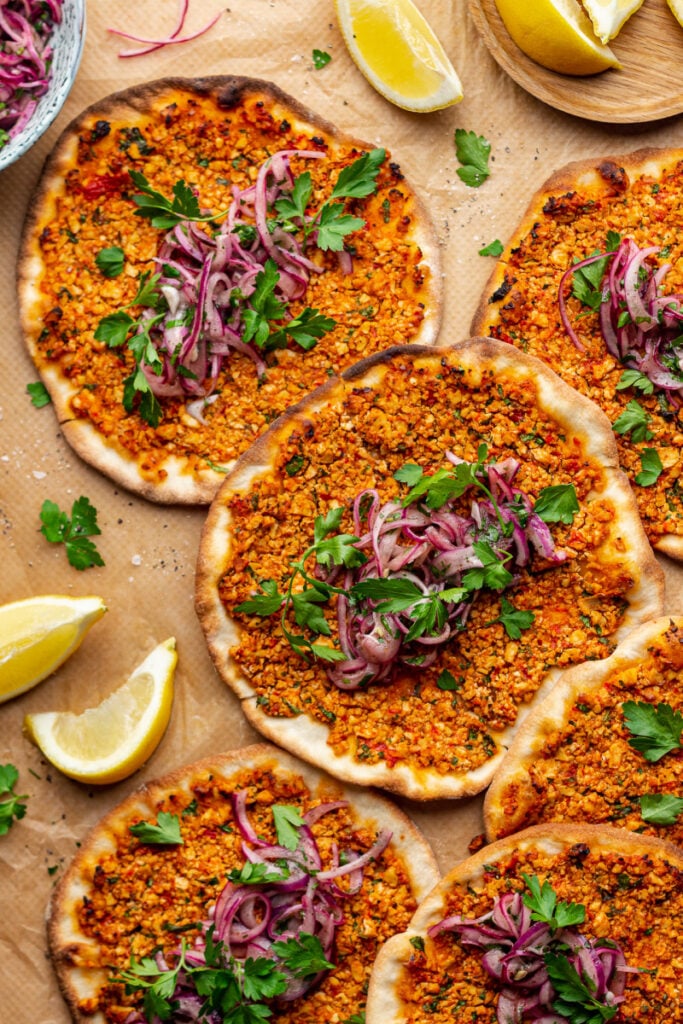
15. Lahmacun (Turkish Pizza)
Lahmacun is a thin, crispy flatbread topped with seasoned ground meat.
You’ll find this popular street food throughout Turkey.
The meat topping combines ground beef or lamb with tomatoes, peppers, and Middle Eastern spices.
Fresh herbs like parsley add bright flavor.
You can make the dough from scratch or use store-bought pizza dough.
Roll it very thin for the best texture.
Top your cooked lahmacun with fresh arugula, onions, and lemon juice.
Roll it up and eat it with your hands for an authentic experience.
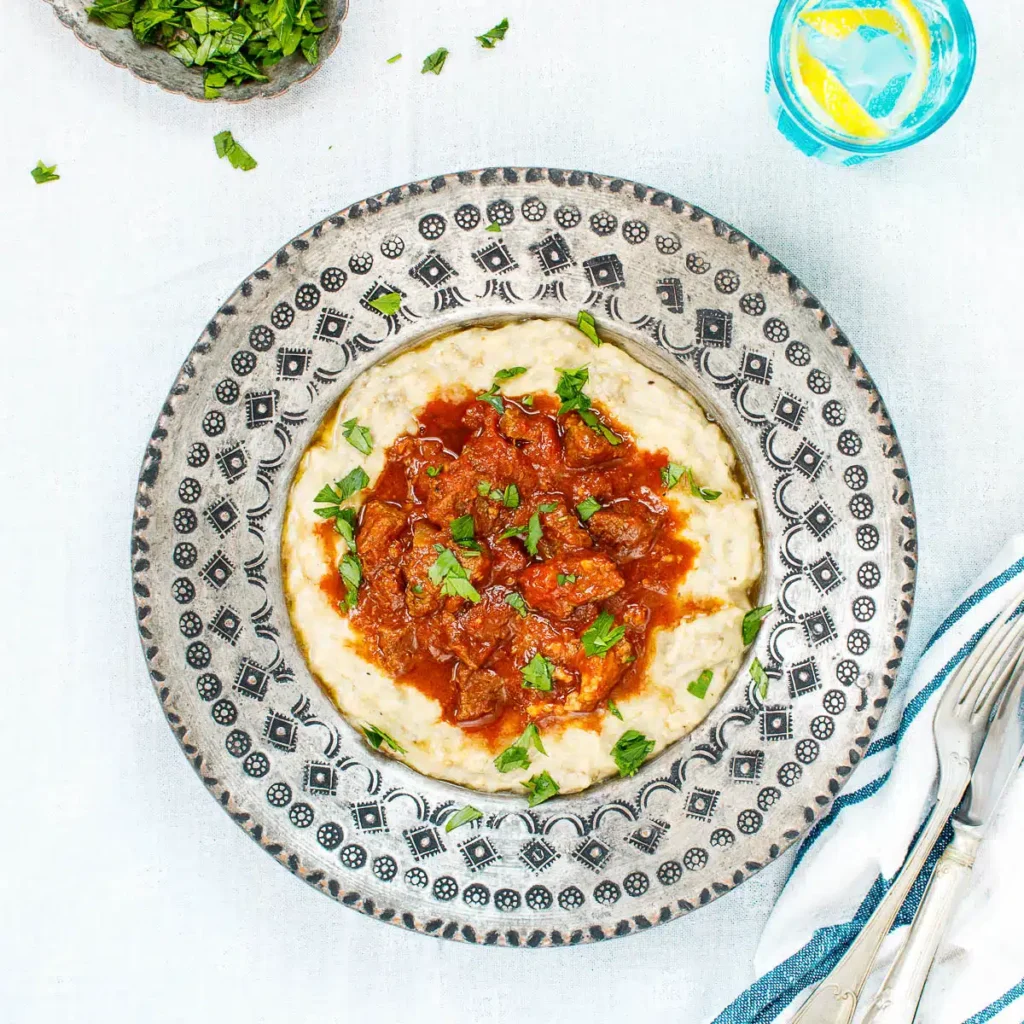
16. Hünkâr Beğendi (Sultan’s Delight)
This classic Ottoman dish combines tender lamb stew with creamy eggplant puree.
The name means “the Sultan liked it” in Turkish.
You’ll cook lamb with onions, tomatoes, and spices until tender.
The eggplant base gets roasted until smoky, then mixed with cheese and bechamel sauce.
You serve the rich lamb stew over the smooth, creamy eggplant mixture for a luxurious meal that once pleased royalty.
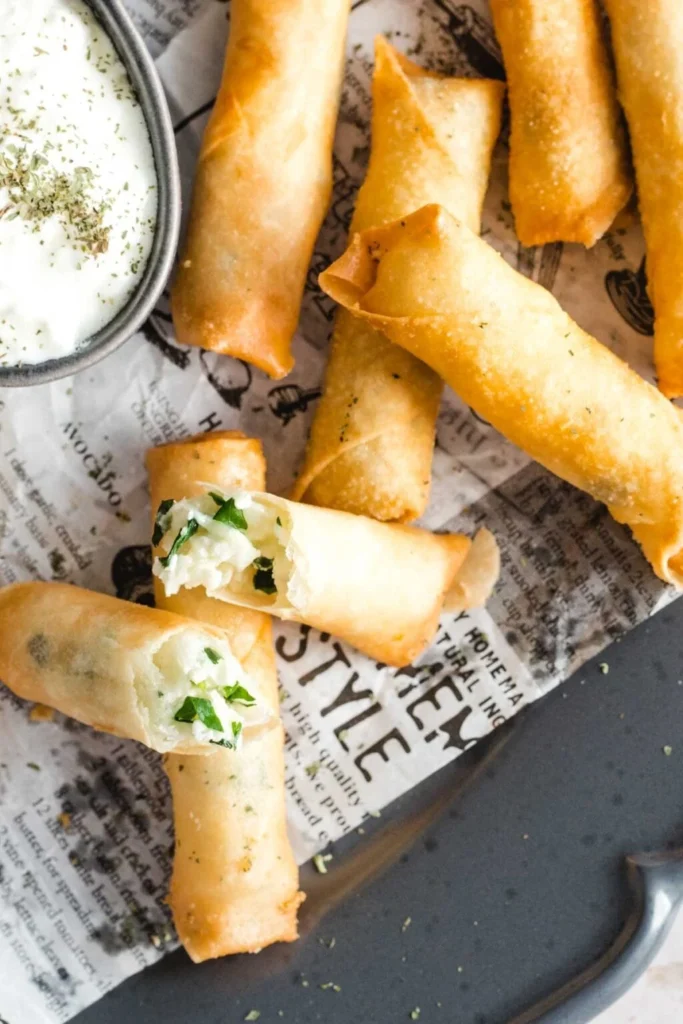
17. Sigara Böreği (Cheese-filled Pastries)
Sigara böreği are crispy Turkish cheese rolls shaped like cigarettes.
You wrap thin phyllo dough around a savory cheese filling and fry until golden.
The traditional filling uses lor cheese or Turkish white cheese.
You can substitute feta cheese if you live outside Turkey.
Most recipes include fresh parsley and beaten egg.
You roll the pastry tightly to create the signature cigar shape.
The result is a perfect balance of creamy, salty cheese inside with a crunchy exterior.
These make excellent appetizers for parties or mezze spreads.
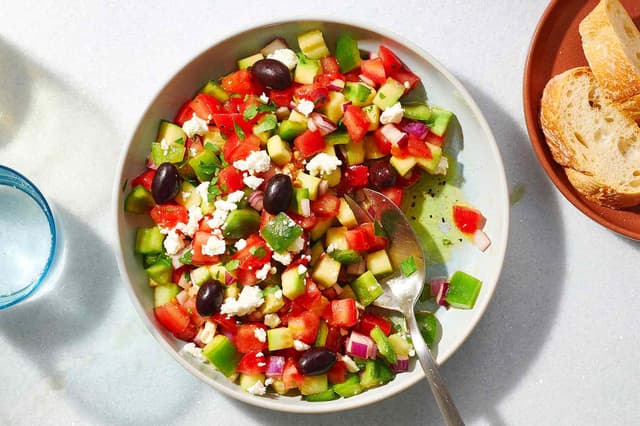
18. Çoban Salata (Shepherd’s Salad)
You’ll find this fresh salad on almost every Turkish table during summer.
Çoban salata uses simple ingredients that create big flavor.
The salad combines diced tomatoes, cucumbers, bell peppers, and onions.
Fresh parsley adds a bright taste.
You dress it with olive oil, lemon juice, and salt.
You can make this healthy dish in just five minutes.
It pairs well with grilled meats, rice, or kebabs.
The vegetables should be cut into similar small pieces for the best texture.
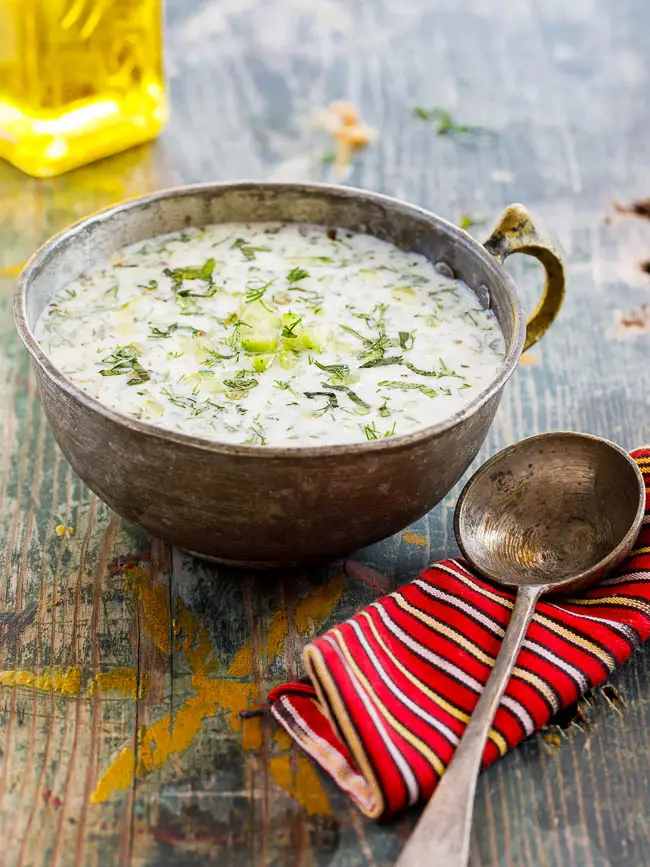
19. Turkish Yogurt with Cucumber (Cacık)
Cacık is a cold Turkish dip made with yogurt and cucumbers.
You mix fresh yogurt with chopped cucumbers, garlic, and herbs like dill or mint.
This dish takes only 10-15 minutes to make.
You can serve it as a side dish with grilled meats or as a dip with bread.
The cool, creamy texture makes it perfect for hot summer days.
You can make it thick as a dip or add water to thin it out as a refreshing drink.
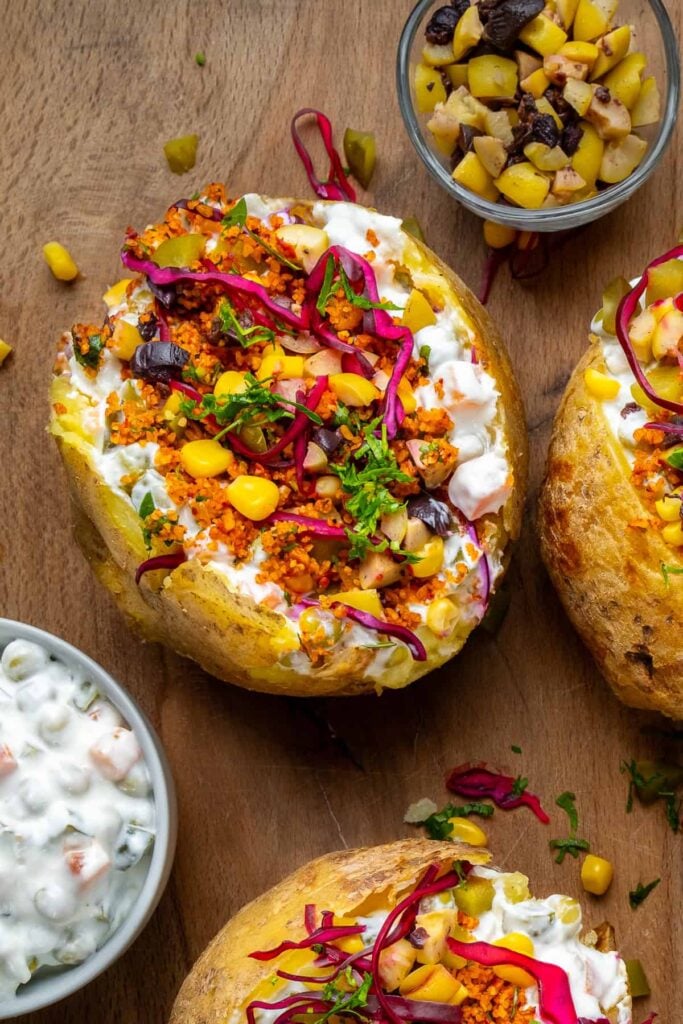
20. Kumpir (Stuffed Baked Potato)
Kumpir is Turkey’s favorite street food version of stuffed baked potatoes.
You start with large baked potatoes that get mashed with butter and cheese until creamy.
The potato flesh becomes smooth and fluffy inside the crispy skin.
You can add mozzarella, cheddar, or feta cheese for different flavors.
Toppings make kumpir special.
You can choose from olives, corn, pickles, sausage, mushrooms, and sour cream.
Each potato becomes a complete meal with your favorite combinations.
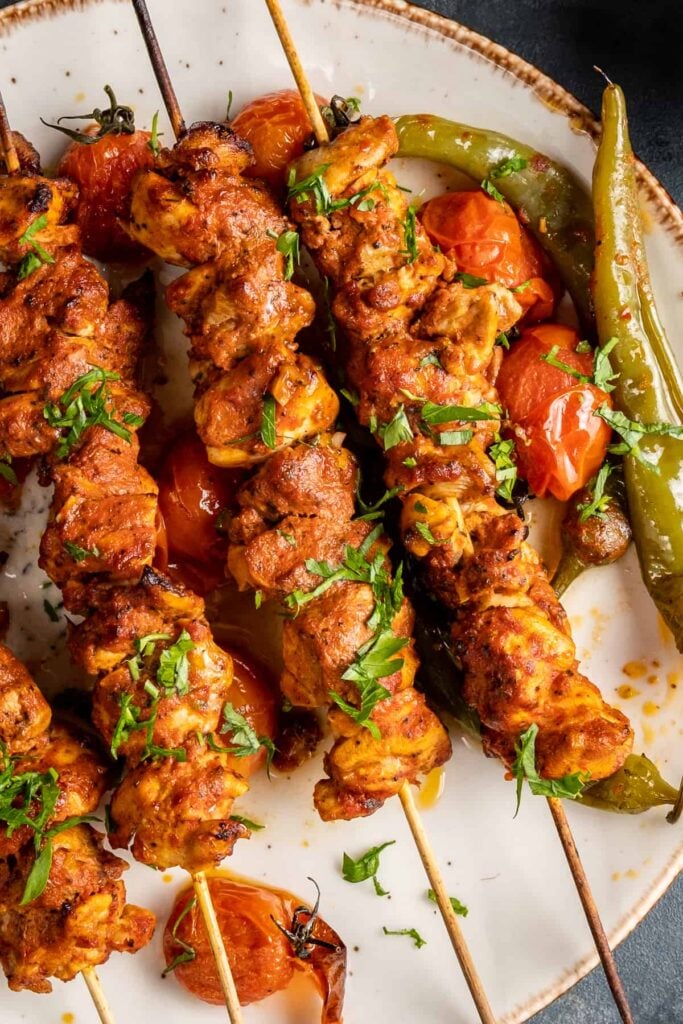
21. Tavuk Şiş (Chicken Skewers)
Tavuk Şiş means chicken skewers in Turkish. This popular street food combines marinated chicken pieces grilled on metal skewers.
You’ll find these kebabs at restaurants across Turkey. The chicken marinates in yogurt, olive oil, lemon juice, and spices before cooking.
The marinade makes the meat tender and juicy. You can add vegetables like tomatoes and peppers to your skewers.
Grilling gives the chicken a smoky flavor. You can also bake them in your oven at home for similar results.
Essential Ingredients in Turkish Cuisine
Turkish cooking uses warm spices like cumin and sumac, hearty grains such as bulgur and rice, and tender meats including lamb and chicken. These ingredients create the rich flavors in Turkish dishes.
Spices and Herbs
Cumin forms the backbone of Turkish spice blends. You’ll find it in kebabs, stews, and rice dishes.
Its earthy flavor pairs perfectly with meat. Sumac adds bright, tangy notes to salads and grilled foods.
This deep red spice tastes like lemon but with more complexity. Paprika brings both color and mild heat to Turkish cooking.
Sweet paprika works best for most recipes. Fresh herbs play key roles too:
- Parsley – used generously in salads and as garnish
- Dill – essential for dolmas and yogurt dishes
- Mint – fresh or dried, perfect with lamb
Red pepper flakes (Aleppo pepper) provide gentle heat without overwhelming other flavors. Turkish cooks use them more than black pepper.
Cinnamon and allspice appear in both sweet and savory dishes. You’ll taste them in rice pilafs and meat stews.
Staple Grains and Legumes
Bulgur wheat is more common than rice in many Turkish homes. Fine bulgur works for tabbouleh-style salads.
Coarse bulgur makes hearty pilafs. Basmati rice creates fluffy, separate grains perfect for Turkish pilafs.
Long-grain rice absorbs flavors without getting mushy. Lentils appear in soups, salads, and side dishes:
- Red lentils cook quickly and break down into thick soups
- Green lentils hold their shape in salads
- Black beluga lentils add protein to rice dishes
Chickpeas star in hummus and stews. Dried chickpeas taste better than canned but need overnight soaking.
White beans (cannellini) make classic Turkish bean salads and hot dishes. They absorb olive oil and herbs beautifully.
Common Meats and Seafood
Lamb is the traditional favorite meat in Turkish cooking. Ground lamb makes excellent kebabs and stuffed vegetables.
Lamb shoulder works well for slow-cooked stews. Beef substitutes easily for lamb in most recipes.
Choose cuts with some fat for better flavor. Chicken appears in rice dishes, grilled preparations, and soups.
Thighs stay more tender than breasts. Fish from the Mediterranean and Black Sea include:
- Sea bass – mild and flaky
- Mackerel – rich and oily, perfect grilled
- Anchovies – used fresh, not just as paste
Ground meat mixtures often combine beef and lamb. This blend creates the perfect texture for kofte (meatballs) and stuffed peppers.
Turkish cooks buy fresh meats from local butchers. The quality makes a big difference in final dishes.
Cooking Techniques and Traditions
Turkish cooking follows time-honored methods passed down through families for generations. Each region has its own special dishes and ways of preparing food.
Serving meals remains an important part of Turkish culture.
Regional Variations in Turkey
Turkey’s seven regions each bring unique flavors and cooking methods to the table. The Mediterranean coast focuses on olive oil, fresh vegetables, and seafood.
You’ll find dishes like stuffed peppers and grilled fish here. The Black Sea region specializes in corn-based foods and anchovies.
They make cornbread called mısır ekmeği and serve it with local cheese. Central Anatolia is known for hearty meat dishes and pasta.
This area created famous dishes like mantı (Turkish dumplings) and etli ekmek (meat bread). The Aegean region combines Greek influences with Turkish cooking.
They use lots of olive oil, herbs, and vegetables in dishes like zeytinyağlı dolma. Eastern Turkey features spicy foods and dairy products.
You’ll taste dishes with hot peppers, bulgur, and thick yogurt. The Southeast brings Middle Eastern flavors with dishes like kebabs and baklava.
They use pistachios, sesame, and strong spices.
Traditional Serving Methods
Turkish meals follow specific serving traditions that show respect for guests and family. You always serve bread with every meal, usually fresh and warm from the baker.
Tea culture plays a huge role in Turkish dining. You serve small glasses of black tea before, during, and after meals.
The tea comes in tulip-shaped glasses called istikan. Meals start with meze (small appetizers) served on small plates.
These include olives, cheese, pickles, and dips like hummus. Everyone shares these dishes from the center of the table.
The main course arrives on large platters for sharing. You place rice, bread, and vegetables around the main dish.
Family members help themselves and often help serve others. Yogurt appears at most meals, either plain or mixed with garlic and herbs.
You serve it in small bowls alongside the main dishes. Dessert and Turkish coffee end formal meals.
The coffee comes in small cups with a piece of Turkish delight on the side.
Frequently Asked Questions
What are some classic Turkish dishes every beginner cook should try?
Start with Turkish lentil soup (Mercimek Çorbası). It uses basic ingredients like red lentils, onions, and simple spices.
Turkish rice pilaf is another excellent choice for beginners. You cook rice with vermicelli noodles and chicken broth for a fluffy side dish.
Try making simple grilled chicken kebabs next. Cut chicken into cubes, marinate with olive oil and basic spices, then grill on skewers.
Can you recommend simple Turkish recipes suitable for children?
Turkish rice pilaf works well for kids because of its mild flavor and soft texture. Most children enjoy this simple side dish with grilled meats.
Chicken shish kebab appeals to young eaters when you use bite-sized pieces. Skip spicy seasonings and stick to salt, pepper, and olive oil.
Turkish scrambled eggs (Çılbır) served over yogurt makes a protein-rich meal. Children often like the creamy texture and mild taste.
Turkish lentil soup appears on most traditional menus as a starter. This red lentil soup offers comfort and warmth.
Döner kebab ranks as the most famous Turkish street food. Thin slices of marinated meat cook on a vertical rotisserie.
Imam Bayildi features stuffed eggplants filled with onions, tomatoes, and herbs. This vegetarian dish showcases Turkish flavors without meat.
Turkish rice pilaf serves as the standard side dish. Most restaurants pair it with grilled meats and stews.
Which Turkish main dishes are favored by locals and travelers alike?
Döner kebab attracts both groups because of its rich flavors and convenient serving style. You can eat it in wraps, on plates, or over rice.
Turkish lamb kebabs satisfy meat lovers with their smoky grilled taste. Locals and tourists enjoy these skewered meats at restaurants and street vendors.
Imam Bayildi appeals to vegetarians and meat-eaters equally. The stuffed eggplant dish offers complex flavors from its herb and vegetable filling.
How can I create an authentic Turkish dinner at home with easy-to-follow recipes?
Start your meal with Turkish lentil soup as an appetizer. Cook red lentils with onions, garlic, and a touch of tomato paste.
Prepare Turkish rice pilaf as your side dish. Sauté vermicelli noodles until golden, then add rice and broth.
Choose grilled chicken or lamb kebabs for your main course. Marinate the meat with olive oil, lemon juice, and basic Turkish spices.
Serve everything with fresh bread and simple salad. Add yogurt on the side for an authentic touch.
What would you list as the top 10 Turkish dishes that embody the country’s culinary heritage?
Turkish lentil soup represents the country’s love for hearty, warming foods. This red lentil dish appears in homes across Turkey.
Döner kebab showcases Turkey’s mastery of grilled meats. The vertical rotisserie technique creates tender, flavorful slices.
Imam Bayildi highlights Turkish vegetarian cooking. Stuffed eggplants demonstrate how vegetables become satisfying main dishes.
Turkish rice pilaf serves as the foundation of many meals. This simple dish pairs with almost every Turkish main course.
Manti (Turkish dumplings) shows the country’s pasta-making skills. These small dumplings come with yogurt and spiced butter sauce.
Turkish breakfast spreads reveal the culture’s social eating habits. Multiple small dishes create a communal morning meal.